Using Trailforks to Filter Trails by Bike Type: Hardtail vs. Full Suspension
Use Trailforks to filter by bike type so you’re not stuck on rock-heavy descents with a hardtail or overbiking mellow trails on full suspension. Pick full-suspension for routes with 3,000+ feet of technical drops and 130mm rear travel, where it outpaces hardtails by 3 seconds on Strava. Choose hardtails for smoother climbs-especially 29-inch trails with low roughness-and pair them with 2.4–2.6” tires and CushCore at 17–19 psi. Set sag and rebound right, and you’ll ride smarter, longer, and with way more control the next time you hit trail tags.
We are supported by our audience. When you purchase through links on our site, we may earn an affiliate commission, at no extra cost for you. Learn more. Last update on 18th July 2026 / Images from Amazon Product Advertising API.
Notable Insights
- Use Trailforks’ bike type filter to match hardtails with smoother trails and full-suspension bikes with technical routes.
- Check trail difficulty tags to avoid high-roughness routes like Executioner on hardtails.
- Review user photos and comments on Trailforks to assess real trail conditions and technical features.
- Prioritize 29″ trails for better obstacle roll-over, especially on hardtails.
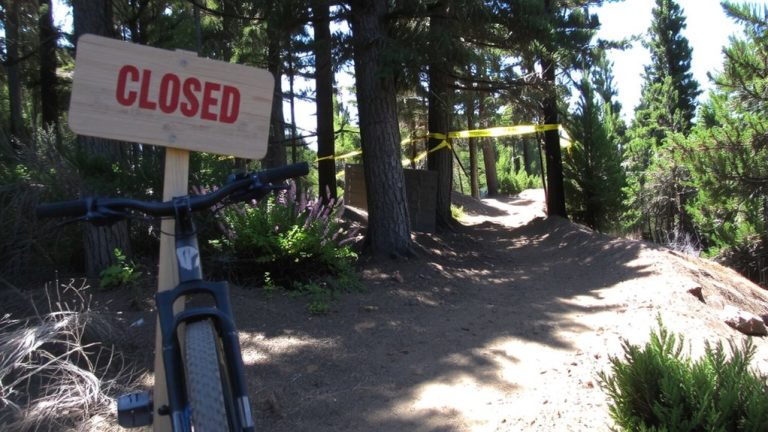
- Respect trail maintenance schedules and closures to preserve trail integrity and riding safety.
How Hardtail vs Full Suspension Changes Trail Choice
Most riders find full-suspension bikes like the SB130LR, with 136mm of rear travel and slack 66–68° head tube angles, open up rugged descents like Executioner and Dales by smoothing out rock gardens and drops, giving you more control when the trail turns technical. You’ll see on Trailforks that a full suspension trail bike shines on steep, chunky runs where comfort and grip matter most-especially after half an hour of sustained descending. But if you’re ticking off 19-mile loops with 3,000 feet of climbing on smoother paths, a hardtail’s stiff rear end transfers power more efficiently. Riders filter for hardtails on flat, wet, or mixed trails where low maintenance and crisp handling help, while full-suspension picks dominate in parks or tech-heavy zones.
Why Full Suspension Dominates Technical Terrain
On technical terrain, every bump, root, and rock becomes a test of control-and that’s where full-suspension bikes truly shine. Your FS bike soaks up 120–130mm of rear travel, keeping tires glued to the ground on rocky drops and root sections, reducing fatigue on long, rough trails. On a 19-mile enduro ride with 3,000 feet of climbing, riders shaved 3 seconds on gnarly Strava segments compared to hardtails-there;s a lot to gain when grip and stability matter. Chatter from trails like Executioner or Dales gets smoothed out, sparing your back and core, especially when tired. Modern 29″ FS bikes, like the SB130LR with a 160mm fork and Lunch Ride mod, feature 66–68° head angles that boost confidence on steep, technical descents. Even with more maintenance, the control, speed, and comfort make full suspension the clear choice for tough terrain.
Can a Hardtail Handle Tough Trails? Know the Limits
While full-suspension bikes dominate the gnarliest descents, a well-chosen hardtail can absolutely tackle tough trails-if you know its limits and set it up right. A 130mm-travel bike like the Guerrilla Gravity Pedalhead, paired with a 160mm front fork, handles technical runs such as Executioner and Dales, especially with CushCore inserts and 17 psi front / 19 psi rear tire pressure. You’ll feel more trail feedback, so rider skill and physical fitness matter-core strength helps you stay in control over rocks and roots. On a 19-mile route with 3,000 feet of climbing, one rider finished 30 minutes faster than on a full-suspension enduro bike, proving hardtails shine on climb-heavy days. Yes, full suspension edged ahead by 3 seconds on a Strava segment, but with smart setup and rider input, your hardtail can go far beyond easy trails.
Tire Setup Tips for Hardtail and Full-Suspension Riders
You’ve seen how a properly set up hardtail can keep up on tough climbs and technical descents, so now let’s fine-tune your ride with smart tire choices and setup. Run 2.4–2.6” tires for great grip and rolling speed, avoiding the drag of plus-size rubber. Hardtail riders, use CushCore inserts-they boost rim protection, let you run lower tire pressure (17 psi front, 19 psi rear), and improve vibration damping. Those lower pressures increase traction and comfort on rough terrain. Full-suspension riders also benefit from proper tire pressure tuning, but don’t overlook foam or silicone handlebar grips; they cut hand fatigue by reducing vibration damping. Since hardtails transfer more trail feedback to your body, grip choice matters even more. Pair these setup tips with your bike’s build, and you’ll ride smoother, faster, and with more control-all without touching suspension settings.
Avoid Overreaching: Use Trailforks to Match Bike to Trail
Since not every trail plays nice with every bike, filtering by bike type on Trailforks keeps your rides smooth and your components safe-especially when you’re on a hardtail. You should stick to trails rated suitable for hardtails, avoiding high roughness routes like Executioner or Dales that demand 130mm+ rear travel. Trails with fewer rock gardens and lower technical ratings reduce stress on your frame and body, especially in poor weather conditions when traction drops. Use Trailforks’ difficulty tags, photos, and comments to spot hidden obstacles that might challenge your hardtail’s limits. Opt for 29″ trails-they roll over roots and rocks better, especially with 17–19 psi in your tires. Respecting trail maintenance schedules and trail etiquette means choosing routes matched to your bike, reducing erosion and accidents. Matching your ride to the trail isn’t just safer-it keeps everyone’s experience better, longer.
Choose Full Suspension When Confidence Is Low
When you’re tackling steep, rocky descents or patchy root systems and your confidence starts to waver, a full-suspension bike can make all the difference, especially with 120–130mm of rear travel smoothing out the chatter and boosting control. Models like the SB130LR, with 136mm effective rear travel and a 160mm front fork, deliver exceptional impact absorption, keeping you stable on rough terrain. Full-suspension setups improve rider comfort by reducing fatigue, letting you ride longer with less strain. A 2:1 rider poll shows most prefer full-suspension for technical trails, citing better composure and control maintenance. Properly tuned suspension smooths chatter, increases traction, and minimizes hesitation on steep sections. Trailforks often flags these bikes for challenging routes, knowing they help less experienced riders stay confident. When the trail gets sketchy, full suspension isn’t just about performance-it’s about staying calm, composed, and in control where it matters most.
Make the Most of Your Ride: Setup by Suspension Type
Full suspension gives you control on rough descents, but dialing in your setup-whether you’re on a hardtail or full-suspension bike-makes that control last all day. For full-suspension riders, run 120–130mm rear travel with 130mm up front to maintain traction and pedaling efficiency on climbs with 3,000 feet of gain. Proper sag and rebound settings support a balanced rider posture, reducing fatigue. Hardtail riders, pair 2.4–2.6” tires at 17 psi front, 19 psi rear (with CushCore) to modern slack frame geometry for better compliance. Add silicone grips and foam inserts to dampen vibration, improving comfort on long rides. These tweaks boost pedaling efficiency and control, letting you stay sharp deep into technical terrain. Small adjustments match your bike’s design to your ride goals-maximizing performance without overcomplicating things.
On a final note
Choose your bike smart: full-suspension models, like the Specialized Stumpjumper with 150mm travel, crush chunky descents and rooty climbs, boosting confidence on black diamond trails. Hardtails, such as the Trek Fuel EX 9.5, save weight and pedal efficiently but demand precise line choice on rocky terrain. Use Trailforks to filter by bike type, match trails to your setup, and ride stronger, safer, and sharper-every time.