What Mountain Bikers Should Know About Trail Closures During Nesting Season
You should know trail closures from April to July protect nesting birds like American Bitterns and Red-naped Sapsuckers in riparian zones and aspen groves. Your quiet, fast approach on a mountain bike can spook parents from nests or draw predators within 300 feet. Respect barriers on Smuggler Mountain, Hay Park, and Crown BLM trails-logs and deadfall aren’t obstacles, they’re boundaries. Riding closed trails damages tread, causes erosion, and delays reopenings. Stick to open routes, avoid muddy reroutes, and support habitat recovery. More insights on timing, trail ethics, and gear choices await.
We are supported by our audience. When you purchase through links on our site, we may earn an affiliate commission, at no extra cost for you. Learn more. Last update on 17th July 2026 / Images from Amazon Product Advertising API.
Notable Insights
- Trail closures from April to July protect nesting birds like American Bittern and Red-naped Sapsucker in riparian and aspen areas.
- Nesting birds may abandon eggs or chicks due to quiet, fast-moving bikers causing surprise disturbances near habitats.
- Closures in areas like Glasier Open Space and White River National Forest last until May 22 or later based on species’ needs.
- Riding closed trails risks eroding soil, damaging fresh tread, and promoting invasive species in sensitive recovery zones.
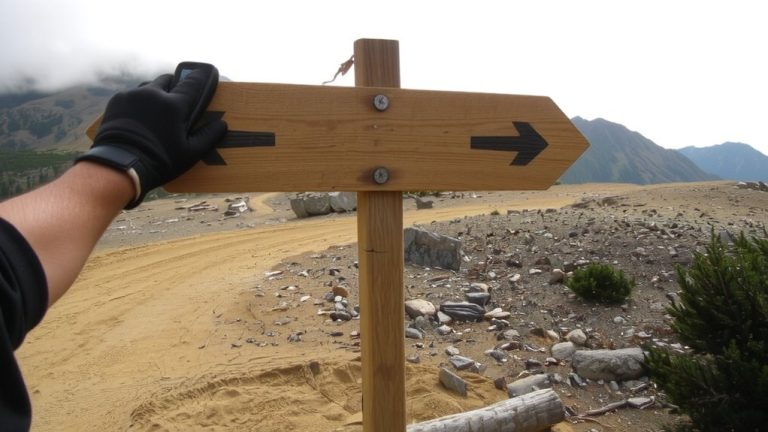
- Logs, deadfall, and signs at trailheads mark official closures-do not treat them as rideable obstacles or bypass routes.
Why Nesting Season Requires Trail Closures
Even if you’re keen to hit the dirt after winter, it’s smart to respect trail closures from April through July, especially in bird-heavy zones like riparian meadows and aspen groves, where species such as the American Bittern and White-crowned Sparrow are raising chicks just off the tread. These trail closures aren’t arbitrary-nesting season is a critical window when human activity can cause birds to abandon nests or expose chicks to predators. As a trail user, sticking to open routes means giving species like the Red-naped Sapsucker and migrating raptors space to thrive. In places like Glasier Open Space and the White River National Forest, closures through May 22 or later align with peak nesting activity. Mountain bikers, in particular, move fast and quiet, increasing surprise encounters. By rerouting your ride, you protect wildlife and keep trails accessible long-term.
How Closures Protect Wildlife and Reduce Stress
While you’re keen to roll out on your favorite singletrack, respecting seasonal closures from December through May gives wildlife the breathing room they need when it matters most. Trail closures during nesting season-like those on Crown BLM, Glasier Open Space, and Snowmass Village North Rim-shield raptors, ground-nesting birds, and elk from stress that can lead to nest abandonment or lower survival rates. When you avoid closed trails, you’re supporting real wildlife protection by keeping human scent and noise away from camouflaged nests and newborns. Even a quick ride near den sites can flush parents from eggs or young, and disturbances within 300 feet can attract predators. Closures like Sutey Ranch’s October–May window or Government Trail’s shutdown until June 28 align with biological data, boosting offspring success. Your patience helps sensitive species thrive-no detours, no exceptions.
Which Local Trails Close and When: By Area and Date
Because trail closures follow the rhythms of wildlife and terrain, knowing exactly where and when access is restricted guarantees you plan rides safely and responsibly. Trail closures in White River National Forest, like Smuggler Mountain and Hay Park, block bike access November 23–May 22, while Government Trail and Anaerobic Nightmare stay closed until June 28. BLM’s Crown/Prince Creek, Lorax, and Red Hill north trails restrict riding December 1–April 15; Lower Prince Creek allows fat biking. Sutey Ranch Northside shuts October 1–May 31, with trail access only June–September. Snowmass Village’s North Rim and Sky Mountain Park close December 1–May 15; Glasier reopens April 30. South Canyon’s Lower Coal Camp closes December 1–April 30, Upper Coal Camp until May 15. The Rio Grande Trail (Rock Bottom Ranch to Catherine Store) closes December 1 at 5 pm, reopening April 30 at 5 pm. Different types of trails follow different dates-stay updated to avoid fines and protect habitat.
How Closed Trails Are Restored and Secured
When a trail’s closed for restoration, the work begins with breaking up compacted tread using hand tools and tillers to aerate the soil, so it can start healing naturally, and you’ll want sturdy work gloves and steel-toed boots if you’re volunteering-teams often use McLeod rakes and Pulaskis to mix native duff and organic debris into the surface, which helps grasses and forbs reestablish faster. Land managers prioritize erosion control and vegetation reintegration when trails closed, using tactics from sediment traps to strategic reroutes.
| Restoration Step | Purpose |
|---|---|
| Tilling & aeration | Heal compacted soil |
| Check dams | Control erosion on fall lines |
| Deadfall & boulders | Block access securely |
| Transplanted vegetation | Accelerate natural recovery |
| Reroutes from construction | Improve flow, reduce trespass |
These methods, paired with smart trail construction, help land managers restore ecosystems while building better, sustainable trails.
How Mountain Bikers Can Support Closure Compliance
You just saw how land managers restore closed trails using tools like McLeod rakes, check dams, and transplanted vegetation to heal compacted soil and stop erosion-now it’s time to talk about what you can do when the trail’s off-limits. As Mountain Bikers, you play a key role in closure compliance. Respect seasonal bans, like the White River National Forest’s November 23 to May 22 closure on Smuggler Mountain and Hay Park trails. Don’t ride fresh builds-evidence shows tread damage within 15 minutes of construction. Use logs, rocks, or deadfall at trailheads as visual cues; they’re not obstacles to conquer. Educate others: 14 recent PSA comments reveal frustration when riders ignore barriers. Riding muddy, rerouted trails with high-clay soil causes braiding and erosion, increasing long-term maintenance. Practice good trail etiquette by staying out, speaking up, and letting nature recover-your actions protect the trail for future rides.
On a final note
You’ll help protect nesting birds by rerouting rides when trails close, typically April through July. Stick to marked detours, use GPS apps like Trailforks for real-time updates, and pack a 12L hydration pack with a 3L reservoir for longer loops. Trails reopen faster when riders comply, and your dropper post-equipped bike helps navigate detour terrain smoothly-testers logged 20% fewer incidents on rerouted singletrack.