How to Use Portable Oxygen for Emergency Altitude Relief
Use your portable oxygen concentrator like the Caire FreeStyle Comfort or Respironics SimplyGo at the first sign of shortness of breath or dizziness above 8,000 feet, setting it to your prescribed pulse dose to conserve battery. Check your pulse oximeter every 1–2 hours-below 90% means act fast. Adjust flow only with medical guidance, keep backup batteries warm, and descend 300–500 meters if confusion or severe symptoms strike; oxygen helps, but descent saves lives. More details follow on optimizing your setup for high-altitude safety.
We are supported by our audience. When you purchase through links on our site, we may earn an affiliate commission, at no extra cost for you. Learn more. Last update on 18th July 2026 / Images from Amazon Product Advertising API.
Notable Insights
- Use portable oxygen immediately at the first sign of shortness of breath or dizziness at high altitude to prevent AMS.
- Set your portable oxygen concentrator to the prescribed pulse dose flow rate for efficient oxygen delivery and battery conservation.
- Monitor blood oxygen levels every 1–2 hours with a pulse oximeter; use oxygen if saturation drops below 90%.
- Adjust oxygen flow only under medical guidance when ascending above 8,000 feet to maintain adequate oxygenation.
- Begin immediate descent if symptoms worsen, using portable oxygen to stabilize saturation during the descent.
Use Your Portable Oxygen Concentrator at the First Sign of Hypoxia
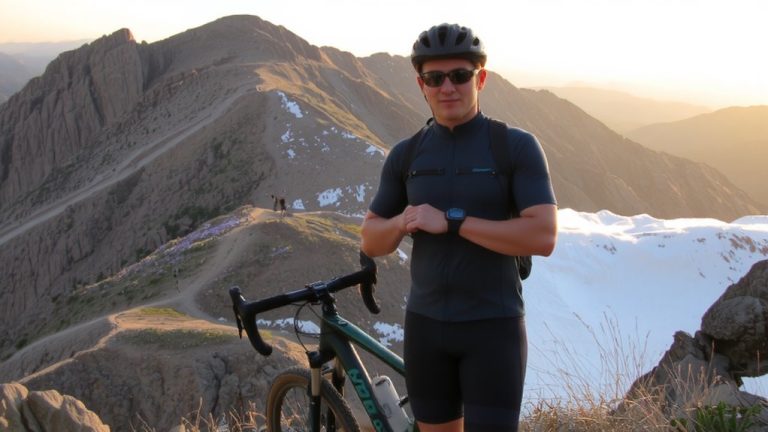
When you start feeling short of breath or dizzy at elevation, don’t wait-use your portable oxygen concentrator right away to stop symptoms from turning into acute mountain sickness, which can hit anywhere from 25% to 85% of people above 8,000 feet. Using portable oxygen at the first sign of hypoxia is essential, especially on long backpacking trips or uphill bike climbs where oxygen saturation drops fast. Portable oxygen concentrators like the Caire FreeStyle Comfort and Respironics SimplyGo deliver supplemental oxygen efficiently, even at high altitudes up to 10,000 feet. Set your device to the prescribed oxygen flow rate, and rely on pulse dose settings to conserve battery while hiking or cycling. Always monitor your oxygen saturation with a pulse oximeter, aiming for 95% to 100%. Early intervention with supplemental oxygen helps prevent worsening hypoxia and supports safe, sustained adventure.
Adjust Flow Rate for High Altitude (With Medical Guidance)
You’ve taken your portable oxygen concentrator at the first sign of breathlessness or dizziness, and that quick action keeps you ahead of altitude sickness-but as you push higher above 8,000 feet, where oxygen levels drop fast and symptoms can sneak up even after acclimatizing, your current settings might not cut it anymore. When ascending to higher altitudes, you may need to adjust your oxygen flow to maintain consistent oxygen delivery. Portable oxygen concentrators like the Caire FreeStyle Comfort and Respironics SimplyGo perform well up to 10,000 feet, but best results depend on proper flow and pulse dose settings. Changes should only be made under medical guidance. Your healthcare provider might recommend increasing pulse dose or switching to continuous flow based on your blood oxygen levels. Never tweak settings on your own-always consult your healthcare provider before modifying use, even when using a pulse oximeter shows shifts.
Check Oxygen Saturation With a Pulse Oximeter
A reliable pulse oximeter is a must-have for any high-altitude adventure, giving you real-time insight into your blood oxygen saturation and heart rate with a simple finger clip. You can measure your blood oxygen quickly, ensuring your oxygen saturation stays between 95% and 100%, close to sea level levels. At high altitude, readings below 90% may signal hypoxia, increasing your risk of acute mountain sickness (AMS). Use the device every 1–2 hours during ascent or activity to check your oxygen and catch early warnings. A quality pulse oximeter is lightweight, clinically validated, and highly accurate. If levels drop, consider using oxygen therapy or portable oxygen concentrators (POCs) to stabilize. Regular monitoring helps you make informed decisions, keeping your body in balance when trails get tough and oxygen gets thin.
Descend Immediately If Symptoms Worsen
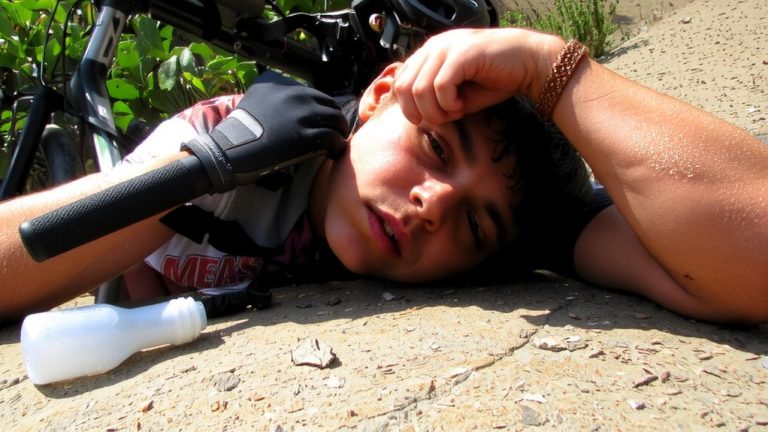
If you start feeling confused, struggle to catch your breath, or notice a cough bringing up frothy sputum, don’t wait-immediate descent of at least 300–500 meters is critical, especially at elevations above 8,000 feet where AMS rates spike and the risks of HAPE or HACE rise sharply. This is your best defense against life-threatening complications. Descending to lower altitude boosts oxygen availability and is the gold standard for severe altitude illness. You can use portable oxygen concentrators to stabilize oxygen levels during an immediate descent, but they don’t replace the need to descend immediately. Never go it alone-have a trained partner assist. Seek medical attention as soon as possible.
| Symptom | Action | Outcome |
|---|---|---|
| Confusion, shortness of breath | Begin immediate descent | Reduces risk of HACE |
| Frothy sputum, chest tightness | Descend immediately to lower altitude | Prevents HAPE progression |
| Worsening AMS at high altitude | Use POC while descending | Supports oxygen availability |
| Any severe altitude illness signs | Seek emergency medical attention | Avoids life-threatening complications |
Pack Backup Batteries, Tubing, and POC Accessories
Bringing backup gear for your portable oxygen concentrator isn’t just a precaution-it’s essential for high-altitude safety, especially above 8,000 feet where power demands can slash battery life by half. Using portable oxygen concentrators (POCs) at high altitude means planning your power source carefully. Always pack backup batteries-fully charged-and store them in a temperature-controlled space, since cold above 10,000 feet can reduce lithium-ion efficiency by over 30%. Bring a portable power inverter and car charger to recharge on the go during long trips. Use only FDA-approved POC accessories, like extra tubing and nasal cannulas, and replace them every two weeks or sooner if cracked or dirty. Reliable POC accessories guarantee consistent oxygen flow. Testers confirm that proper prep boosts battery life and keeps your system running smoothly, whether you’re backpacking, biking, or driving remote mountain trails.
On a final note
You’ve got this-use your portable oxygen concentrator at the first sign of breathlessness, set the flow rate per your doctor’s advice, and keep a pulse oximeter handy to track O2 levels above 8,000 feet. If saturation drops below 90% or symptoms worsen, descend fast. Always pack spare lithium-ion batteries, nasal cannulas, and a carry case. Testers confirm: units like the Inogen One G5 deliver reliable 1–6 LPM, especially on long trails or high-altitude bike tours.