Why You Should Avoid Riding Wet Trails After Heavy Rainfall
You should avoid riding wet trails after heavy rain because saturated clay soil turns into sticky “peanut butter mud” that grips aggressive treads, carving ruts over ½ inch deep and widening trails by up to 12 inches when riders detour. Compacted soil hinders drainage, fuels erosion, and leaves lasting damage-especially east of the Cascades. Even full-suspension bikes spread muck fast on vulnerable terrain. Wait 24–48 hours on clay-rich trails; sandy paths dry quicker. Your dropper post and suspension will thank you after a thorough post-ride clean with degreaser and a torque wrench check, and there’s more where that came from.
We are supported by our audience. When you purchase through links on our site, we may earn an affiliate commission, at no extra cost for you. Learn more. Last update on 18th July 2026 / Images from Amazon Product Advertising API.
Notable Insights
- Riding wet trails creates deep tire ruts in saturated soil, especially in clay-heavy areas, leading to long-lasting trail damage.
- Wet clay turns into sticky “peanut butter mud” that compacts easily, reducing water absorption and increasing erosion.
- Trail widening occurs when riders avoid puddles, damaging vegetation and expanding trail corridors up to 12 inches.
- Soils east of the Cascades and in the East Bay stay wet longer and need 24–48 hours to dry before safe use.
- Waiting to ride allows trails to recover, preventing costly repairs and preserving trail quality for future users.
How Riding Wet Trails Damages Soil and Trails
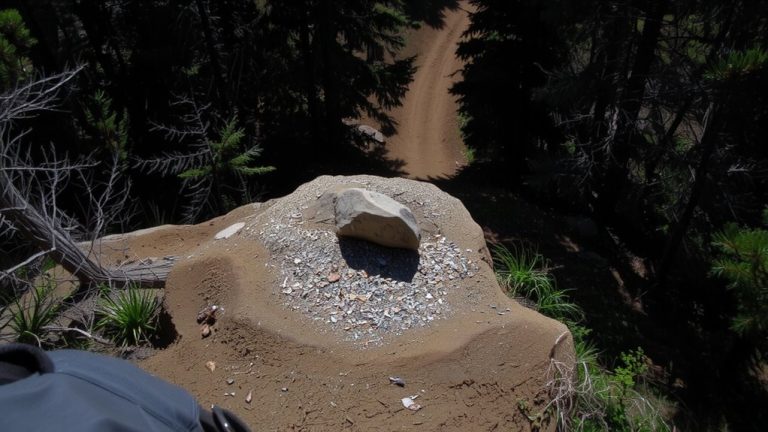
While the trail might look ready after a light rain, riding when the soil’s still saturated can do serious harm-especially if you’re on a mountain bike with aggressive treads that cut into soft ground. Riding wet trails, particularly east of the Cascades, turns clay-heavy soil into sticky “peanut butter mud,” leaving tire trenches over half an inch deep. This causes soil compaction, reduces water flow, and leads to long-term trail damage. Each time you ride in the rain, repeated passes worsen erosion, turning small puddles into mud holes several feet wide. Avoid trail widening-riders going around puddles can expand paths by up to 12 inches, making repairs costly. Even 8 hours after heavy rain, ruts can persist for months. Skip the ride, let trails dry, and consider wider tires or mud-specific cleats only when conditions allow. Your choice protects the trail and keeps it rideable longer.
Why Clay Soils Are More Vulnerable to Rain Damage
Because clay soils drain slowly and stay slick long after the rain stops, you’re far more likely to tear up the trail without even realizing how much damage you’re doing. Clay soils hold water longer than sandy or loamy soils, turning into sticky “peanut butter mud” that clings to your tires and pedals. After heavy rain, wet conditions linger, and poor drainage keeps trails saturated for days. Your bike’s knobby tires might grip at first, but they quickly carve ruts, accelerating trail damage. In regions east of the Cascades or in the East Bay, where clay content is high, even light use in wet conditions causes deep trenching. Freeze-thaw cycles worsen the damage, breaking down trail structure. This soft, compacted soil erodes easily, demanding more maintenance. Avoid riding when trails are soggy-your full-suspension mountain bike, no matter how capable, spreads mud and widens paths fast on vulnerable clay soils.
How Long to Wait After Rain Before Riding
You know that sticky, peanut butter-like mud common in clay-heavy areas, especially after a storm-it’s not just annoying, it’s a red flag to stay off the trail. After heavy rain, wait at least 8 hours in summer before riding, but know that clay-rich trails may need 24–48 hours, especially in cool, shaded spots where water lingers. Sandy or cindery trails drain faster-often rideable in just a few hours, depending on rain intensity. East of the Cascades, even with less rain, trails stay wet longer and need more dry time to keep them intact. In Northern California, soils dry quickly, so many trails rebound within a day. Check local trail conditions before riding-your tires, brakes, and frame will stay cleaner and last longer. Keep your rides sustainable by waiting it out and protecting trail surfaces from damage.
5 Alternatives to Riding Muddy Trails
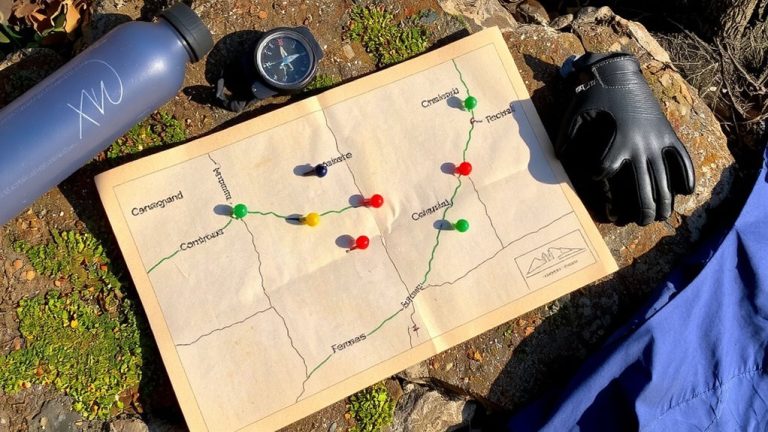
What if you could turn a muddy trail day into a productive, even rewarding, part of your riding routine? Instead of giving in to the urge for wet weather riding, use the downtime to give your mountain bike a deep clean-scrub the grime from suspension linkages, pivot points, and the drivetrain with degreaser and a brush. Check bolts with a torque wrench, swap in fresh brake pads, or install upgrades like wider handlebars or a dropper post. When riding in the wet isn’t an option, hit paved roads during dry windows to maintain fitness on your road bike. Most sand or cinder trails stay closed after rain due to clay saturation. Use Trailforks to verify closures, then shift focus-watch mountain biking videos or read technical guides. Skip trail work if it’s muddy, but stay engaged with prep that keeps you and your bike ready.
Ways to Give Back to Trail Maintenance Efforts
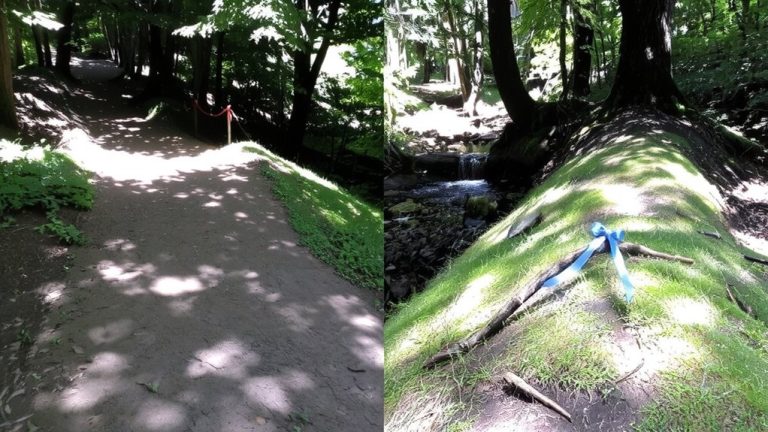
When trails get hammered by rain and riders push through anyway, the damage adds up fast-deep ruts, widened paths, and compromised drainage that take hours to fix. You can help keep trails healthy by volunteering at workdays, like the HBB event this Saturday at 8:30am, where teams restore erosion and guarantee trails drain properly. Even if you can’t attend, report that muddy spot on Trailforks with location, photo, and tree size. Most people riding don’t give time, so donations also help balance the load. Always ride around wet sections-no matter the time of year-to prevent widening paths.
| Action | How It Helps | Example |
|---|---|---|
| Volunteer | Repairs ruts, improves drainage | HBB workday, 8:30am |
| Report | Updates trail condition data | Use Trailforks app |
| Donate | Funds tools and materials | $20 covers a gravel load |
| Steward | Fixes water channels | Clear blocked ditches |
On a final note
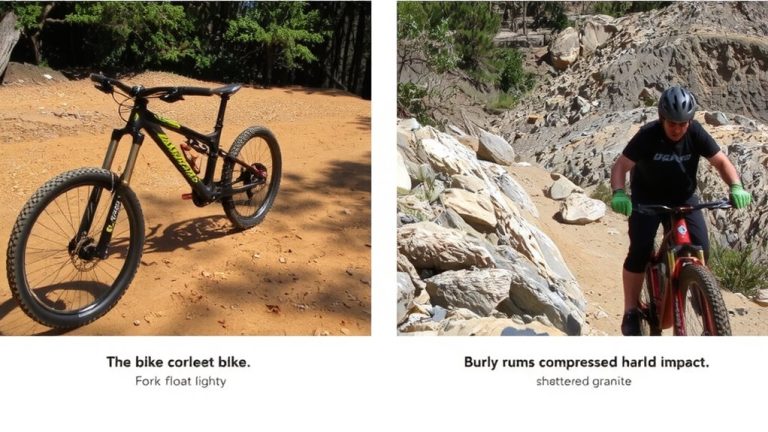
You’ll protect trails and extend their life by waiting 24–48 hours after heavy rain, especially on clay-rich soils that take longer to dry. Riding too soon cuts deep ruts, damages drainage, and invites erosion. Opt for gravel roads or hardpack paths first. When you ride, wear shoes with aggressive lugs, like the Giro Rumble VR, and use a durable, mud-clearing tire, such as the Maxxis Minion DHF 2.5” WT, for safer, cleaner traction.