Best Climbs in Europe
You’ll need a compact crankset and 34-tooth rear cassette to tackle Europe’s toughest climbs, from Koppenberg’s 20% cobbled ramps to Alpe d’Huez’s 21 hairpins at 8.4%. Above 2,700m on Col de l’Iseran or Cime de la Bonette, wear layered, wind-resistant gear as temperatures drop fast. Smooth tarmac on Passo Giau rewards aero positioning, while Transalpina’s high-altitude sweep demands hydration and vigilance. Ride prepared, and you’ll conquer both legend and hidden gem.
We are supported by our audience. When you purchase through links on our site, we may earn an affiliate commission, at no extra cost for you. Learn more. Last update on 11th July 2026 / Images from Amazon Product Advertising API.
Notable Insights
- Mont Ventoux offers a 21.3km ascent from Bédoin with extreme winds and 7.4% average gradient, testing even elite riders.
- Alpe d’Huez features 21 iconic hairpins and an 8.4% average gradient, demanding precise pacing and aero efficiency.
- Cime de la Bonette reaches 2,802m, forming Europe’s highest through-route with breathtaking alpine panoramas and sustained climbing.
- The Koppenberg’s 600m cobbled climb includes 20% gradients, requiring technical skill, wide tires, and mental toughness.
- Passo Giau delivers 10.4km of smooth climbing through the Dolomites, with 8.7% average gradient and stunning mountain views.
Iconic European Climbs From the Tour De France
When you’re eyeing Europe’s most legendary ascents, few come with the pedigree of Mont Ventoux, a 1,909m giant that delivers a 21.3km grind from Bédoin with 1,580m of climbing and a steady 7.4% average gradient-brutal not just for the numbers, but for the relentless exposure and lunar-like summit where the wind can howl at 100km/h. This Tour de France climb has seen legends fall, like Simpson, and demands gear that balances breathability and wind resistance. You’ll need a compact hydration pack, lightweight jersey, and overshoes for Col du Tourmalet’s 2,115m summit finish, where elevation gain and 20% ramps test resolve. Alpe d’Huez’s 21 hairpin bends, 8.4% average gradient, and crowds reward pacing and aero positioning. Col du Galibier, one of the highest famous climbs, offers cold temps and thin air-layer up. Each ascent challenges fitness, focus, and kit choice.
Scenic Mountain Passes With Breathtaking Views
You’ve conquered the storied climbs of the Tour de France, where raw power and endurance reign, but now it’s time to shift focus to routes where performance meets panorama-scenic mountain passes that deliver heart-pounding ascents alongside unforgettable vistas. Take Passo Giau in the Dolomites: this 10.4km mountain pass with 8.7% average gradient rewards cycling grit with beautiful alpine views of jagged peaks. In Romania, the Transalpina climbs to 2,145 metres, offering smooth tarmac, glacial lakes, and rare wildlife-pack lightweight layers and grippy tires. Bealach Na Ba’s 20% hairpins test your resolve, but the summit reveals sweeping views across Scotland. Col de Braus near the Cote d’Azur features tight switchbacks and stunning coastal views, while Croix de Coeur’s 27.3km ascent leads to a high alpine summit with panoramic alpine vistas-ideal for endurance riders seeking scenic grandeur.
Brutal Short Climbs Under 10 Kilometres
Though they rarely stretch beyond 10 kilometres, these climbs deliver relentless punishment through steep gradients, rough surfaces, and sudden elevation gains that demand both mental grit and the right gear. The Koppenberg’s 600m, cobbled climb hits a 20% gradient-pros often dismount, so you’ll want wide tires and a low 34-tooth rear cassette. The Alto de los Machucos packs 6km at 10% average, with 28% ramps; its unforgiving road cycling surface rewards power meters and deep climbs. Tackle the Tumble’s 5.1km and its ‘Fiddler’s Elbow’ switchback-16% slopes test climbing technique and frame stiffness. Sa Calobra’s 9.4km features a dramatic 270-degree hairpin under an arch; increasing gradient demands steady pacing. Buttertups Pass, at 4.4km, hits 20% in exposed moorland-wind-resistant jerseys and deep-section wheels help. These brutal short climbs rank among the toughest cycling climbs in Europe, truly defining road cycling’s grit.
Europe’s Highest and Most Extreme Ascents
Topping the list of Europe’s highest and most extreme ascents means facing thin air, long grind, and roads that claw into the sky with little mercy. You’ll hit the highest point on Pico Veleta in Spain, where the paved road ends at 3,375 metres before turning to gravel-bring wide tires for stability. The Ötztaler Gletscherstraße in Austria hits 2,829 metres with relentless 10% averages and 16% ramps, so use a compact crankset and deep-breathing rhythm. Cime de la Bonette’s 2,802-metre loop soars above the Col de la Bonette at 2,715 metres, delivering Europe’s highest through-route. Tackle Col de l’Iseran, the continent’s highest paved pass at 2,764 metres, where the 47.5-kilometre ascent from Bourg-Saint-Maurice is France’s longest climb-pack extra layers. Link Umbrailpass, Switzerland’s highest paved road at 2,501 metres, to Passo dello Stelvio via 36 hairpins-ideal for endurance pacing and confident cornering.
Underrated Cycling Climbs Worth the Detour
While the high-altitude beasts of the Alps and Pyrenees grab headlines, some of Europe’s most rewarding climbs fly under the radar, offering drama, challenge, and solitude without the crowds. These underrated cycling climbs deliver breathtaking scenery and tough gradients on smooth tarmac that’ll love your bike’s drivetrain. Take Romania’s Transalpina-27 km, 1,740m of elevation, perfect hairpins, and bears. Spain’s Alto de Velefique is an incredibly long 29km at 4.6%, with 20 switchbacks and constant sun, while Wales’ Tumble, though only 5.1km, hits 16%-much harder than it looks. The beautiful mountain road of Col de Braus, with its stacked turns and Vietto memorial, links to different routes like D54, ideal for road cyclists exploring the region. Santuari del Far rewards steady climbing with panoramic views and a summit restaurant-great motivation. Skip the long flat sections of busier cycling routes; these hidden gems make the return trip worthwhile.
On a final note
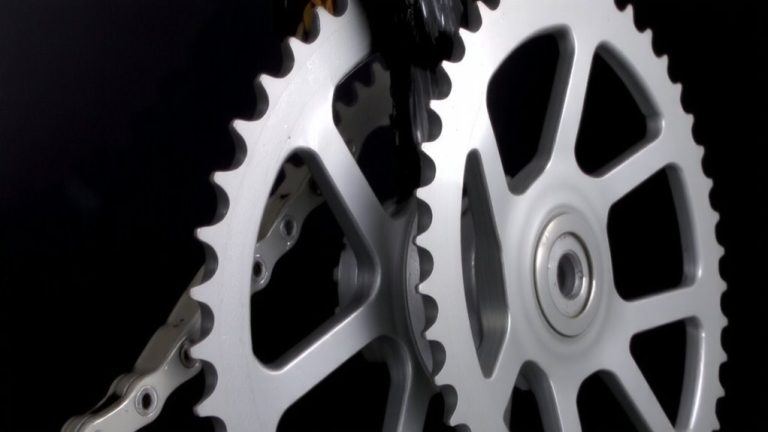
You’ll want clipless pedals, a compact 50/34T chainring setup, and 11-34T cassette for these climbs, especially on pitches over 12%, like Alpe d’Huez’s 13.8km at 8.1%. Carry a lightweight 3L hydration pack with electrolyte mix, wear padded bibs with a chamois over 10mm thick, and use gloves with gel padding-one tester rode 4,500 vertical meters in two days without numbness. Stiff-soled shoes improve power transfer on sustained grades, and 28mm tires at 85–90 psi balance speed and comfort.