Fueling Differences Between Downhill Shuttling and Marathon Riding
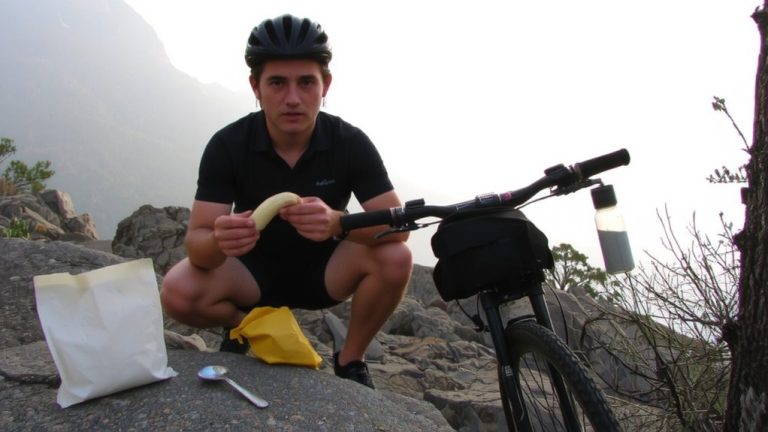
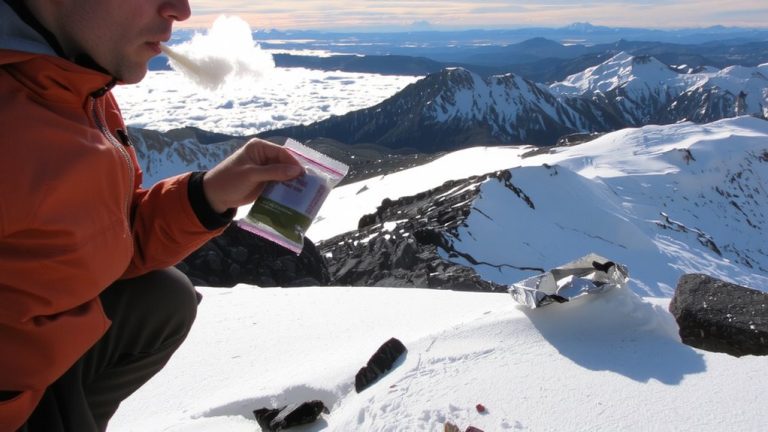
You need fast brain fuel for downhill shuttling-grab 30–60g of carbs like Clif Bloks or 8 oz Gatorade 30–60 minutes pre-run to stay sharp on steep, technical trails. For marathon rides, you’ll burn through 60–90g carbs per hour and up to 1,000 mL fluid hourly, so rely on a 3L CamelBak MULE with drink mix and gels to sustain power. Long waits? Sip carbs hourly to avoid crashes. Discover how to match fuel to effort across disciplines.
We are supported by our audience. When you purchase through links on our site, we may earn an affiliate commission, at no extra cost for you. Learn more. Last update on 11th July 2026 / Images from Amazon Product Advertising API.
Notable Insights
- Downhill shuttling prioritizes brain fueling with 30–60g carbs pre-run for cognitive sharpness during short, intense descents.
- Marathon riding requires 60–90g carbs hourly to sustain muscle output and delay fatigue over long durations.
- Downhill riders consume carbs during shuttle waits to maintain blood sugar and mental focus between runs.
- Marathon fueling starts early, within 20–30 minutes, and continues hourly to support aerobic energy demands.
- Hydration supports neuromuscular control in downhill; marathon riders replace 500–1,000 mL sweat loss per hour.
Why Downhill and Marathon MTB Demand Different Fueling
While both downhill and marathon mountain biking push your limits, they demand completely different fueling strategies because the nature of the effort couldn’t be more distinct. Your energy requirements on a 5-minute downhill run are minimal-no climbing, just explosive bike handling and vibration management-so you won’t burn much glycogen. But mental sharpness is critical, making Precision Fuel before your run a must. Marathon riding? That’s hours of sustained pedaling, constant climbing, and serious caloric burn. You’re sipping carbs and electrolytes every 15 minutes, aiming for 60–90g of carbs per hour via gels, chews, or drink mixes. Downhillers rely on pre-loaded glucose for cognition; marathoners need continuous intake to delay fatigue, maintain power, and prevent bonking. Your pack choice, fuel storage setup, and bottle or hydration bladder capacity all hinge on these demands-tailor them accordingly.
Pre-Run Fueling: Keeping Your Brain Sharp for Downhill
Your brain’s the most important muscle on a downhill run, and it runs on glucose. Pre-run fueling isn’t just about energy-it’s about keeping your cognitive function dialed when split-second choices matter. Downhill riding demands rapid reaction times, intense focus, and precise bike control, all compromised if blood sugar dips. With long shuttle waits before a 5-minute run, your brain can run low on fuel fast. That’s why smart riders take in 30–60 grams of easily digestible carbs-like a Clif Bloks gel or 8 oz of Gatorade-30 to 60 minutes pre-run. This keeps glucose circulating, sharpens focus, and stabilizes mental performance despite delays. Consistent pre-run fueling supports split-second line changes, better traction management, and safer landings, especially on techy trails like Mammoth’s boulder drops.
How to Maintain Energy and Hydration on Long Marathon Rides
Since marathon rides push you for hours over rough terrain, keeping your energy steady means feeding your body early and often with the right mix of carbs, fluids, and electrolytes. On Race Day, start fueling within the first 20–30 minutes and aim for 60–90 grams of carbs hourly using combos like gels, chews, and drink mixes with glucose and fructose. Your body can’t absorb more than 1,000 mL of fluid per hour, so sip regularly to replace much fluid lost through sweat-500–1,000 mL hourly, depending on heat and effort. Use a hydration pack like the CamelBak MULE with a 3L reservoir to stay on track. Include sodium-400–1,500 mg per liter of sweat-via tablets or electrolyte drinks to prevent cramps. Pre-ride, eat a meal with 1–4 g/kg carbs 1–4 hours out. Consistent intake means steady power, sharp focus, and strong legs to the finish.
Staying Ready: Fueling Through Downhill’s Long Waits
Even though your downhill race lasts just a few minutes, staying sharp during the long waits between runs means keeping your energy steady with smart fueling. You rely on circulating carbs to keep your brain fueled-since it runs almost exclusively on glucose-so maintaining focus and reaction speed is critical. Sip a carb drink mix or chew gels delivering 30–60 grams of carbohydrates in the hours before your run, spacing intake to avoid gut issues during the high-vibration descent. Aim for about 30 grams per hour during downtime to sustain blood glucose without overload. Hydration matters just as much; even mild dehydration can dull neuromuscular control, increasing crash risk on technical rock gardens. Integrate this strategy into your training program, using the same drink mix and bars you’ll race with, so your gut adapts and your performance stays consistent when it counts.
Fuel for the Work Required: Training for Endurance vs Power
Downhill shuttling keeps you idle for long stretches between runs, so fueling during downtime focuses on brain glucose to maintain alertness and reaction speed-just like sipping a 30g carb mix hourly to stay sharp without bloating. In contrast, marathon riding demands steady energy for two hours or more, requiring 60–90g carbs per hour to keep muscles fueled. Training reflects this: downhill builds explosive power and skill under fatigue, while marathon work relies on relatively low intensity to boost aerobic efficiency and fat burning.
| Discipline | Effort Duration | Carb Needs (per hour) |
|---|---|---|
| Downhill Shuttling | ~5 minutes | 30g (brain focus) |
| Marathon Riding | 2+ hours | 60–90g (muscle fuel) |
| Mixed Terrain | Variable | 45–60g (balance) |
Pack a 3L bladder with electrolyte mix and energy chews for endurance rides, or a lightweight vest with gels and a small bottle for downhill laps.
On a final note
You need fast carbs like GU Energy Chews and a 2L hydration pack for marathon rides, where 60–90 grams of carbs per hour keep energy steady over 2–6 hour trails. Downhill shuttling demands lighter loads-think 1.5L bladder, plus Clif Bloks for quick hits between 2–5 minute runs. Use a Fox 36-equipped bike with full-face helmet and enduro pack; testers say smaller, frequent fueling beats big meals when rests last 20–30 minutes.