Why Sodium Needs Increase on Long-Duration Singletrack Descents
You’re losing sodium fast on long descents because hot, technical singletrack pushes sweat rates to 2–3 liters per hour, with each liter carrying 500–2,000 mg of sodium, and you’re likely sipping less from your hydration pack while focused on braking and line choice. This drains blood plasma volume, cramps your quads and calves, and dulls focus. Using electrolyte tablets like Tailwind or SaltStick every 30 minutes helps, as real testers report fewer cramps and sharper control when hitting 300–600 mg sodium per hour-especially on remote trails where recovery starts the moment you roll out.
We are supported by our audience. When you purchase through links on our site, we may earn an affiliate commission, at no extra cost for you. Learn more. Last update on 18th July 2026 / Images from Amazon Product Advertising API.
Notable Insights
- Sweat rates of 2–3 liters per hour during intense descents increase sodium loss significantly.
- Sweat contains 500–2,000 mg of sodium per liter, leading to substantial hourly deficits.
- Reduced fluid intake on descents limits sodium replacement, worsening electrolyte imbalance.
- Low sodium impairs nerve and muscle function, increasing cramp risk and reducing control.
- Electrolyte supplementation helps offset losses and maintain performance during prolonged efforts.
Why Sodium Drops On Long Singletrack Descents
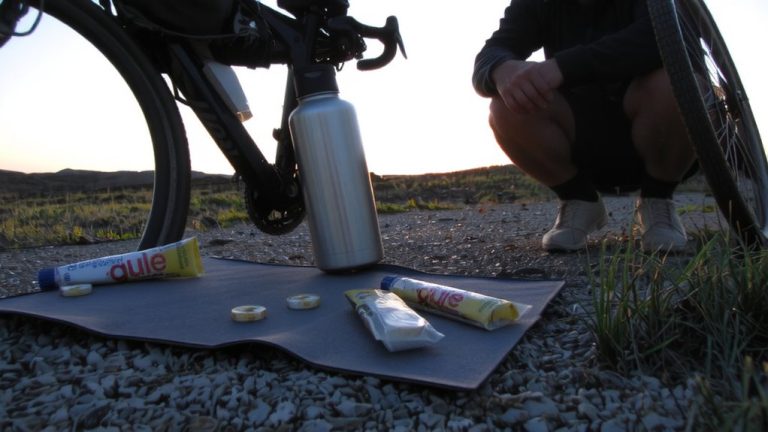
While you’re focused on picking lines and braking for tight switchbacks, your body’s quietly losing major electrolytes-especially sodium. Your sweat rate can hit 2–3 liters per hour on hot, technical singletrack, and with 500 to 2,000 mg of sodium per liter, those sodium losses add up fast-over 4,000 mg in just a few hours. Since sodium is drawn from blood plasma, this cuts blood volume, disrupting fluid balance and straining electrolyte balance. You’re sipping water less on descents, making it worse. Without enough sodium, nerve function dips and muscle cramps hit harder. Riders using hydration packs like the CamelBak MULE with electrolyte tablets (e.g., Nuun or Tailwind) report fewer cramps and better endurance. Keeping sodium topped up isn’t just smart-it’s mission-critical for long downhill runs.
How Low Sodium Wrecks Focus And Control On The Bike
If your focus starts to slip halfway down a rocky, high-speed descent, low sodium might be the unseen culprit. Low sodium levels disrupt nerve impulse transmission, slowing your brain’s commands to your hands and feet-critical for precise control on technical singletrack. As you lose sodium lost through sweat sodium, your blood volume drops, reducing oxygen to the brain and impairing cognitive function. Hyponatremia (blood sodium below 135 mEq/L) can set in, bringing dizziness and poor decision-making. Muscle cramps further wreck fine motor skills needed for SRAM Code brakes or Shimano shifter control.
| Issue | Impact on Riding |
|---|---|
| Poor nerve impulse transmission | Delayed reaction to trail obstacles |
| Reduced cognitive function | Mistimed line choices, poor focus |
| Muscle cramps | Loss of grip, braking errors |
Warning Signs You’re Running Low On Sodium Mid-Ride
What’s causing that nagging cramp in your quads halfway down a 20-minute descent? Chances are, it’s low sodium from heavy sweat losses-some riders lose up to 2,000 mg of sodium per liter of sweat. When your sodium intake doesn’t match output, muscle cramps, headaches, and nausea creep in. These are early red flags of hyponatremia, especially if you’re hydrating with water but skipping electrolyte supplements. Without enough sodium, your fluid balance and nerve signaling suffer, leading to fatigue, confusion, or repeated muscle spasms after an hour of riding. Testers on long singletrack descents reported sharper focus and fewer cramps when using electrolyte mixes with 300–600 mg sodium per hour. Don’t wait-on extended runs, pair hydration packs with electrolyte tablets to keep muscle function and nerve response sharp.
How Much Sodium You Lose Per Hour (And How To Estimate It)
You just felt that calf cramp ease up after spotting an early sodium deficit-now let’s figure out how much you’re actually losing up there on the trail. Your sodium loss per hour depends on your sweat rates and sweat sodium concentration, which can range from 200mg to 2,000mg of sodium per liter of sweat. If you’re sweating 1.5 liters per hour with a moderate 800mg/L concentration, that’s 1,200mg of sodium per hour-already a heavy loss. Sodium plays a key role as the electrolyte that plays a major part in fluid balance and muscle function. Some riders lose up to 2,325mg in just one hour, making it critical to understand your individual sodium needs. Since sweat sodium concentration is genetically set, testing at Sweat Test Centers gives you accurate data. To estimate your hourly sodium loss, multiply your average sweat rate by your measured sweat sodium concentration-then use that number to effectively replace sodium.
Easy Ways To Replace Sodium While Riding
While tackling long, technical descents, keeping your sodium levels stable doesn’t mean slowing down or sacrificing convenience-mix 1/4 teaspoon of Norwegian Flaky Sea Salt into your 500ml water bottle for a natural, mineral-boosted drink with about 600 mg of sodium, perfect for sipping between switchbacks. This simple electrolyte drink helps maintain fluid balance and supports the replacement of sodium lost through sweat. For quick sodium consumption, grab sodium-enriched energy gels, offering 200–400 milligrams of sodium per packet, ideal while riding. Carry dissolvable electrolyte tablets in your pack-each delivers 300–600 mg sodium per dose and mixes easily into your hydration reservoir. You can also replenish sodium with salted snacks like nuts or pretzels, giving 300–500 mg per ounce. In hot weather, sip savory broth from a thermos, supplying up to 1,000 mg per cup, especially effective when losses exceed 1 liter per hour.
Stay Safe: Prevent Hyponatremia On Remote Trails
How do you stay safe when the trail stretches deep into the backcountry and your sweat rate climbs with every switchback? On remote trails, intense exercise spikes sweat losses, and without proper sodium replacement, you risk hyponatremia-dangerously low blood sodium levels. Athletes can lose 460 mg to over 2,000 mg of sodium per liter of sweat, so riding hard for two hours might deplete more than 2,300 mg. Chugging plain water worsens fluid balance, diluting what’s left. That’s when symptoms like nausea, dizziness, or muscle cramps set in. To prevent hyponatremia, aim for 300–600 mg of sodium per hour, especially in heat. Testers using electrolyte mixes like LMNT or GU Energy’s Roctane tablets report fewer cramps and steadier energy. Staying on top of your sodium needs isn’t just smart-it’s essential for safety deep in the backcountry.
Rebuild Sodium Fast For Back-To-Back Riding Days
Even if you nailed your sodium intake during yesterday’s grueling descent, skipping proper replenishment sets you up for trouble when dawn rolls around and another long day of singletrack looms. To rebuild sodium fast, focus on aggressive sodium replenishment-especially if you’re logging back-to-back riding days. Riders with high sweat sodium concentrations need a targeted plan to maintain electrolyte balance and prevent muscle cramps. Aim for 3,500–7,000 mg total sodium daily post-ride, using sodium-rich foods and supplements to accelerate recovery. Consistent sodium intake boosts fluid retention and plasma volume, critical for performance on repeat downhill runs.
| Sweat Sodium (mg/L) | Sodium Replenishment (mg/hour) | Recovery Strategy |
|---|---|---|
| < 800 | 300–400 | Light broth, electrolyte drink |
| 800–1,200 | 400–500 | Sports drink, pretzels |
| > 1,200 | 500–600 | Salted soup, sodium tabs |
| Pre-load (1–3 days) | 300–600 | Sodium-rich foods, broths |
On a final note
You’re losing 800–1,200mg of sodium per hour on hot descent days, so don’t skip your salt. Use electrolyte mixes with 300–500mg sodium per serving, like Nuun Sport or Tailwind, and sip every 15–20 minutes. Paired with a well-vented helmet, moisture-wicking kit, and a 2L hydration pack, you’ll stay sharp on technical switchbacks. Testers report better control, no hand cramps, and faster recovery when sodium’s covered. Ride safe, ride smart.