Nutrition Planning for Unsupported 24-Hour Solo Mountain Bike Challenges
You hit 250–300 calories per hour using liquid fuel like 3.5 scoops of Perpetuem per 30 oz bottle, adding CarboPro and Heed every few laps to maintain energy and avoid GI distress. Sip 590–740 ml of electrolyte mix hourly, guided by your Garmin 500’s 15-minute alerts, and rinse with water mid-lap. In heat above 80°F, add PH 1000 or EFS, and grab V8 juice if needed. At night, warm soup and mashed potatoes help sodium and digestion. Real food like peanut butter tortillas and ClifBars fight flavor fatigue, while Endurolytes every 30–60 minutes prevent cramps. Take Endurance Amino hourly to protect muscle and stay sharp, and trust the system-consistent bottle color-coding keeps your effort dialed through every lap. There’s a rhythm to sustaining peak output, and mastering your intake turns grueling hours into smooth, steady progress.
We are supported by our audience. When you purchase through links on our site, we may earn an affiliate commission, at no extra cost for you. Learn more. Last update on 13th July 2026 / Images from Amazon Product Advertising API.
Notable Insights
- Consume 250–300 calories hourly using liquid fuels like Perpetuem to maintain energy without gastrointestinal distress.
- Pre-fill and label 24 bottles with a rotating mix of Perpetuem, Heed, and CarboPro for consistent, structured intake.
- Sip electrolyte drinks every 15 minutes and rinse with water mid-lap to maintain hydration and prevent gut issues.
- Adjust for heat with extra sodium via PH 1000, Endurolytes, or V8 juice, especially for salty sweaters.
- Supplement liquids with real food, warm sodium-rich options at night, caffeine, and amino acids hourly.
Hit 250–300 Calories per Hour With Liquid Fuel
While tackling long mountain bike challenges, keeping your energy steady means fueling early and consistently, so aim for 250–300 calories per hour using liquid sources that digest quickly and won’t weigh you down. Your go-to liquid fuel should be Hammer Perpetuem-mix 3.5 scoops per large bottle for the first two laps to deliver complex carbs, protein, and fat that sustain effort and reduce muscle breakdown. It’s designed to provide steady energy without spiking your system, which helps avoid gastrointestinal distress during 24-hour pushes. You’ll stay fueled without bloating or nausea, especially when you skip heavy solids early on. Hammer Perpetuem’s balanced formula lets you maintain intensity lap after lap, and real riders report feeling strong deep into the night. Sticking to 250–300 calories per hour with this mix guarantees you’re getting clean, reliable energy exactly when you need it, so your body keeps performing, not rebelling.
Fuel Every Lap Using Pre-Planned Nutrition Bottles
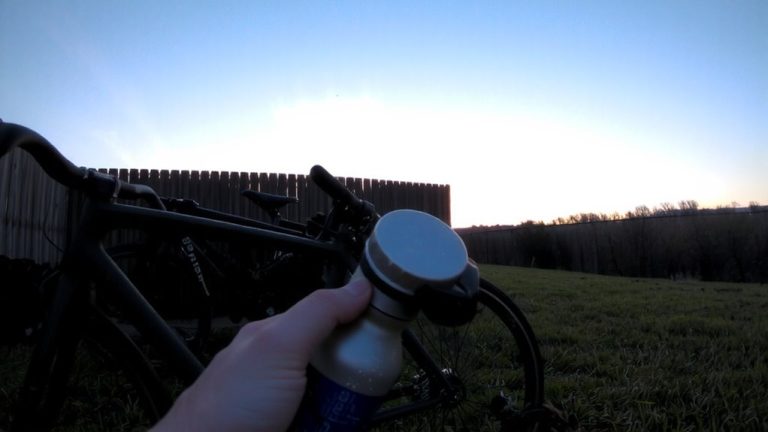
You’re already topping 250–300 calories per hour with a solid liquid fuel routine using Hammer Perpetuem, so keep that momentum going by locking in a system that guarantees you hit every fueling window-without guesswork. For long rides, pre-fill 24 labeled bottles-3.5 scoops Perpetuem per 30 oz for early laps, adding Heed every 4th–5th lap-and include CarboPro in every other bottle to sustain energy over hours. Color-code bottles to separate sports drinks from water, making sure you grab the right mix, even when fatigued. Each 30 oz bottle lasts one lap, aligning with your target of 590–740 ml per hour. Store them shaded and organized, swapping empty for full every hour without fail. This strict exchange keeps your intake consistent, prevents lapses, and locks down nutrition across 24 grueling hours.
Maintain Fluids With a Reliable Sipping Rhythm
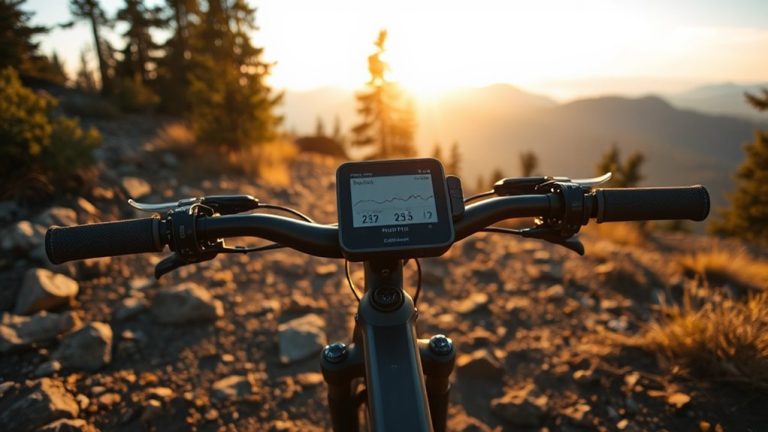
How do you keep your hydration on track when fatigue starts blurring your focus? On a long solo mountain bike effort over the full 24 hours, a reliable sipping rhythm works well to prevent both dehydration and hyponatremia. Set your Garmin 500 to beep every 15 minutes as a cue: take a small sip from your fuel bottle, then rinse with plain water. Aim to finish one 590–740 ml bottle per hour. Use color-coded bottles-EFS mix in one, plain water in another-to avoid confusion during laps. Carry a 70oz hydration pack designed to last about 3 hours; finishing it on time confirms solid intake. If more than 10–15 oz remains after 3.5–4 hours, you’re under-drinking.
| Cue | Action |
|---|---|
| Garmin alarm every 15 min | Sip electrolyte drink |
| Mid-lap marker | Rinse mouth with plain water |
| End of 3 hours | Check pack depletion |
| Bottle swap point | Verify hourly fluid target |
Adjust Intake by Time of Day and Weather Conditions
When the trail heats up past 80°F, your bottle mix needs to keep pace-boost it with PH 1000 or EFS drink mix to replace lost sodium, especially if you’re a salty sweater with test results near 1228 mg/L, and remember to take Endurolytes every 30 to 60 minutes to prevent cramps and maintain nerve function. If it’s really hot, swap in V8 juice for extra salt content and fluid absorption. At night, switch to warm solid foods like salted mashed potatoes or chicken noodle soup to sustain core temperature and electrolyte balance. Sip defizzed Coke every few hours for caffeine and sugar, but stick to half a can to avoid issues. Plan your nutrition the night before the race, prepping bottles and real foods so you’re ready. Adjusting fuel by time and weather keeps you stable, strong, and riding efficiently from dawn to dawn.
Use Real Food to Prevent Flavor Fatigue and Aid Digestion
While energy gels and powdered mixes have their place, relying solely on them over 24 hours can dull your taste buds and upset your stomach, so mixing in real food keeps your palate engaged and digestion steady. Your body likes variety, especially when you feel I need something substantial-like peanut butter on a tortilla or a mashed potato bite. Easy to grab options like bananas, ClifBars, or even an Oreo can reignite your desire to eat when flavors start to blend. Choose real foods low in refined sugar and saturated fat, such as muesli bars or fruit, to support steady digestion. Hot chicken soup at night delivers sodium equivalent to 20 Endurolytes while being gentle on your gut. Defizzed Coca-Cola or instant oatmeal can settle your stomach during shifts. These choices maintain palatability, prevent fatigue, and keep your system running smoothly when you need it most.
Take Electrolytes and Amino Acids to Prevent Cramps and Fatigue
Since electrolyte and amino acid demands spike during prolonged mountain bike efforts, staying ahead of cramps and fatigue means fueling with precision-not guesswork. You must be logged on to your intake, especially sodium, which can hit 1228 mg/L in sweat-your replacement should be within ±10%. Enduralytes, taken hourly or twice hourly, help keep cramps at bay, while Endurance Amino every hour reduces muscle breakdown and supports focus over a long time. In hot conditions, 1–6 Endurolytes per hour are needed, depending on weight and acclimatization. Anti-Fatigue, dosed hourly, combats CNS fatigue, keeping you sharp through the night. It’s pretty much non-negotiable for sustained performance.
| Supplement | Dosing Frequency | Key Benefit |
|---|---|---|
| Enduralytes | Hourly or 2x/hr | Prevents cramping |
| Endurance Amino | Every hour | Reduces muscle fatigue |
| Anti-Fatigue | Hourly | Maintains focus and drive |
On a final note
Keep your bottles filled with 250–300 cal/hour of liquid fuel, swap in real food mid-ride to beat flavor fatigue, and stick to a sipping rhythm every 15 minutes. Use electrolyte mixes with sodium and magnesium, add BCAAs to ease fatigue, and adjust for heat or cold. Testers swear by insulated hydration packs like the Osprey Duro 20L, and they crushed 24-hour solo rides on trails like Moab’s White Rim with consistent, planned nutrition.