Managing Hunger Fluctuations at Altitudes Above 9,000 Feet
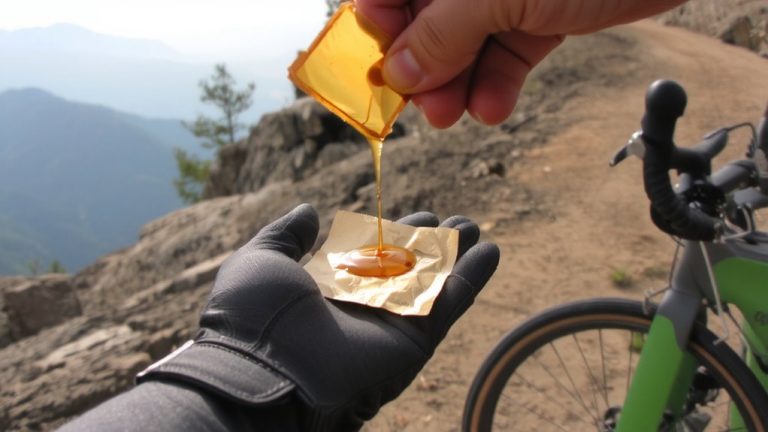
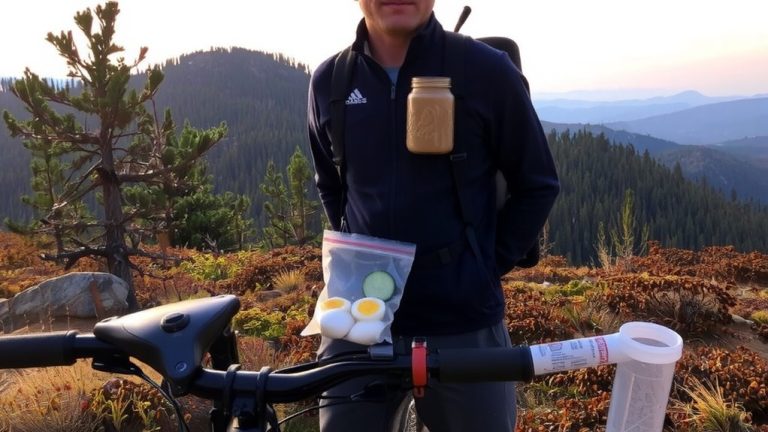
You lose your appetite at high altitudes because hypoxia redirects blood flow from your gut to your brain and heart, while suppressing ghrelin and boosting peptide YY and GLP-1, making hunger feel muted. Even so, your body burns 20–30% more calories above 9,000 feet due to cold, shivering, and rugged terrain. Stay ahead by eating 200+ calories every 90–120 minutes-use liquid fuels like chocolate protein shakes, butter-coffee, or warm broth in a thermos, and stash calorie-dense bars in your pack’s hipbelt pockets; consistency beats hunger cues. Small sips and frequent nibbles beat heavy meals, especially when nausea hits from dry air or poor sleep. If you’re not hungry but feel strong, you’re acclimatizing-just keep fueling. Recognizing the difference between normal appetite loss and early AMS could save your summit bid.
We are supported by our audience. When you purchase through links on our site, we may earn an affiliate commission, at no extra cost for you. Learn more. Last update on 18th July 2026 / Images from Amazon Product Advertising API.
Notable Insights
- Appetite loss at high altitude is normal due to suppressed ghrelin and reduced gut blood flow.
- Eat 200+ calories every 90–120 minutes even without hunger to meet elevated energy demands.
- Prioritize liquid calories like broth, protein shakes, or butter-coffee for easier digestion.
- Nausea is common; avoid heavy solids and opt for small, frequent sips and snacks.
- Monitor appetite loss with headache or fatigue, as it may signal acute mountain sickness.
Why Do You Lose Your Appetite at Altitude?
Why does food suddenly become the last thing on your mind when you’re high up in the mountains? At high altitude, your body faces hypoxia-low oxygen levels-triggering a physiological response to hypoxia that prioritizes essential organs over your digestive system. Blood flow shifts away from your gut, slowing digestion and causing appetite loss. Hypoxia suppresses ghrelin, the hunger hormone, while increasing gut hormones like peptide YY and GLP-1, worsening loss of appetite. Nausea affects up to 70% of climbers above 4,500 meters due to dry air and rapid breathing irritating mucosal linings. Poor sleep from periodic breathing and elevated cortisol further reduce hunger. This appetite loss is part of the acclimatization process, conserving energy as your body adapts. Unlike at lower elevations, where hunger cues are reliable, here, eating becomes a discipline, not a reflex.
Why Do You Need More Calories at Altitude?
Even though your stomach might not signal hunger, your body’s burning through calories at a much faster rate once you climb above 9,000 feet, thanks to the double whammy of hypoxia and cold. At High Altitude, lower oxygen levels mean your body needs to work harder to deliver oxygen to muscles, spiking your metabolic rate by 20–30%. This, combined with constant cold-induced shivering and rugged trail conditions, drives up energy expenditure. Whether you’re cycling steep mountain passes or backpacking rocky terrain, your calorie intake demands skyrocket-often to 3,500–6,000 kcal daily. The body needs more fuel at higher altitude, even if you’re not active. Without it, unintended weight loss of 5–10 pounds per week is common, as studies on endurance athletes show. Hypoxia doesn’t just challenge performance-it reshapes how your body uses energy.
How Can You Eat When You’re Not Hungry at Altitude?
How do you keep fueling when your stomach shuts down at 10,000 feet? At high altitude, low oxygen suppresses ghrelin, causing appetite loss just when your metabolic rate spikes 20–30%. That means you need 3,500 to 6,000 daily calories-take in 200+ cal every 90–120 minutes, even if you’re not hungry. Nausea affects up to 70% of climbers above 4,500 meters, so skip heavy solids; opt for liquid calories like warm broth, chocolate protein shakes, or butter-coffee in your hydration bladder. These slide down easily and sustain caloric intake during acclimatization. Use small, frequent sips and snacks from accessible pack pockets to stay consistent. While appetite loss is common, don’t ignore it-monitor for headache or dizziness, as it could signal Acute Mountain Sickness. Stay proactive: eat by the clock, not the gut.
When Is Appetite Loss a Sign of Altitude Sickness?
When does your dwindling appetite stop being normal and start being a red flag at altitude? While it’s common to lose your appetite at altitude, especially above 8,000 feet above sea level, it can signal Acute Mountain Sickness (AMS) when paired with headache, nausea, or fatigue. If you’re also experiencing neurological symptoms like confusion or balance issues, it may point to High Altitude Cerebral Edema (HACE). Appetite at Altitude alone isn’t alarming, but combined symptoms raise altitude sickness risk. Guide check-ins on climbs monitor these patterns closely.
| Symptom Combo | Likely Issue | Action |
|---|---|---|
| Appetite loss + headache | Mild AMS | Stop ascent, hydrate |
| Appetite loss + nausea + fatigue | AMS progression | Descend 1,000 ft |
| Neurological symptoms + vomiting | Possible HACE | Immediate descent |
| Isolated appetite drop | Normal acclimatization | Keep eating small meals |
On a final note
You’ll burn up to 20% more calories above 9,000 feet, even when hunger dips, so pack calorie-dense snacks like Clif Bars (250–350 cal each) and trail mix with nuts and dried fruit. Use a Hydrapak StoWare 500ml flask for steady sipping, since dehydration worsens appetite loss. Eat small, frequent meals-testers found success with freeze-dried Backpacker’s Pantry meals (600+ cal, easy prep). If nausea or fatigue hits, descend: it could be early AMS.