Using Trail Descriptions to Identify Mandatory vs. Optional Features
You’ll spot mandatory features when a trail has a 36-inch minimum tread width, firm, stable surfaces like crushed stone with fines, passing spaces every 1,000 feet on narrow sections, and resting intervals ≤2% slope every 300 feet on 5%–8% grades-especially if it connects to an accessible trailhead. Optional elements may vary based on terrain, environment, or legal limits, with documented exceptions allowing steeper or narrower segments, so check for compliance notes and design justifications to see where flexibility applies.
We are supported by our audience. When you purchase through links on our site, we may earn an affiliate commission, at no extra cost for you. Learn more. Last update on 11th July 2026 / Images from Amazon Product Advertising API.
Notable Insights
- Check if the trail connects to an accessible trailhead; if so, 36-inch width is mandatory.
- Verify surface material: firm and stable surfaces like packed crushed stone are required, not loose gravel.
- Look for passing spaces every 1,000 feet on trails narrower than 60 inches.
- Identify resting intervals every 300 feet on 5%–8% grades, with slopes ≤2%.
- Note documented exceptions for terrain, environment, or legal conflicts allowing deviation from standards.
ABA Standards for Trail Accessibility
What makes a trail truly accessible? It starts with smart trail design that prioritizes inclusivity. You’ll need a minimum 36-inch tread width, with passing spaces every 1,000 feet if the trail tread is narrower than 60 inches. The ABA requires a Firm and Stable Surface, so loose gravel or uneven natural materials won’t cut it. Trails must also manage Trail Grade carefully-resting intervals with no more than a 2% slope are mandatory every 300 feet when the running grade hits 5% to 8%. These specs aren’t arbitrary; they’re based on real user needs, tested across terrain types. While exceptions exist for environmental protection, federal agencies must document deviations. Think of it like choosing the right bike saddle: precise, functional, and essential for comfort. A well-designed trail, like reliable cycling gear, just works-smooth, predictable, and open to everyone.
Mandatory vs. Optional: What the ABA Requires
While not every trail can meet full accessibility standards, you’re still required to comply with ABA technical specs-like a 36-inch minimum tread width, firm and stable surfaces, passing spaces every 1,000 feet, and resting intervals no steeper than 2% every 300 feet-whenever your trail connects to a compliant trailhead or accessible trail, unless one of four clear exceptions applies. These technical requirements are mandatory unless your trail is designed under conditions deemed impracticable due to terrain, construction limits, fundamental alteration, or legal conflicts. Even then, you must document exceptions and provide accessible segments where practicable. The design must still include resting spaces, passing points, and stable surfaces as far as possible. Agencies like the Department of Natural Resources apply these rules strictly but allow flexibility when justified. Your trail is designed to balance access and environment-without sacrificing what’s truly mandatory.
When Terrain or Law Allows Exceptions
You’ve already seen how ABA standards apply when your trail connects to an accessible trailhead or path, requiring 36-inch treads, resting spaces every 300 feet on 2% slopes, and passing zones every 1,000 feet-but full compliance isn’t always possible, and that’s where terrain and legal constraints come into play.
| Exception Condition | Trigger |
|---|---|
| 1 | Extreme terrain requiring excessive cuts/fills |
| 3 | Preserving natural character or historic setting |
| 4 | Law protecting threatened or endangered species |
When terrain is too steep or law restricts work, State and local governments may invoke an Exception Condition. If compliance would cause severe erosion or harm protected resources, adjustments are allowed. You can still build usable paths using sustainable grades and durable materials, even when bypassing strict specs. Just document each segment and notify the Access Board-maintaining access without sacrificing environmental care.
Maintaining Trail Character Within ABA Limits
If you’re designing a trail that winds through rugged backcountry or protected wilderness, you can still meet ABA accessibility standards without flattening every slope or paving the path, as long as you work within the allowed tolerances and prioritize sustainable design. You’ve got solid design options-like using crushed stone with fines for a firm trail surface that handles heavy use and drains well. Keep cross slope under 2% where possible, and aim for 4–6% average grade to stay within ABA limits while preserving a natural feel. Trail builders can align the path to follow terrain contours, minimizing erosion and maintaining authenticity. Even in sensitive areas, you don’t need motorized equipment; hand-built methods work. Just document any deviations. These choices let everyone access nature without sacrificing what makes trails special-their wild, natural character.
Safety, Access, and Environmental Trade-offs
Because safety, access, and environmental protection don’t have to compete, you can design trails that are inclusive and sustainable by sticking to ABA Standards while respecting natural terrain. You’ll maintain a 36-inch minimum clear tread, use firm, stable surfaces like crushed stone, and add passing spaces every 1,000 feet when needed. The half rule keeps tread slope under control, reducing erosion on soft rock or near a rock outcrop. Water crossings are managed with materials that stay stable, even in changing weather conditions. Exceptions are allowed when Factors Affecting compliance include terrain or environmental laws, but you must document every decision. Full exemptions require notifying the Access Board. You’re not sacrificing trail character-you’re enhancing access safely, sustainably, and smartly, ensuring everyone, including trail riders and backpackers, can rely on consistent, durable design.
Real-World Examples: Compliant vs. Discretionary Features
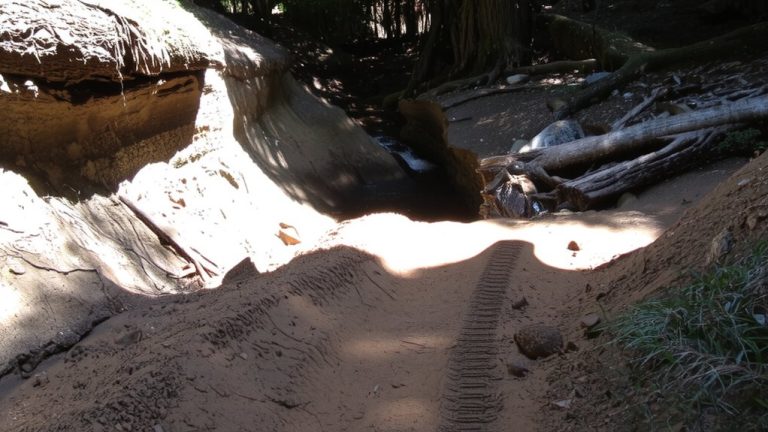
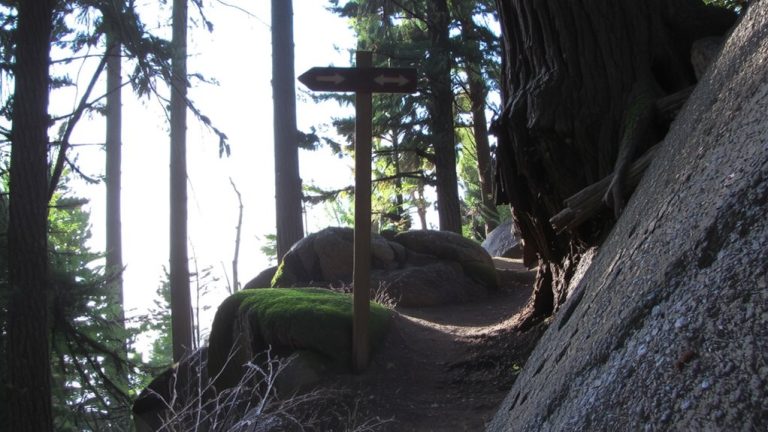
What does it actually look like when trail design meets real-world conditions? You’ll see a wide variety of features in use, depending on the location and regulations. On most trail segments, you’re required to have a 36-inch minimum clear tread width and a firm, stable surface-work done to comply with ABA Standards 1017.2 and 1017.3. Passing spaces (60 by 60 inches) every 1,000 feet are mandatory if the trail is under 60 inches wide, as per ABA 1017.4. Resting intervals at steep sections or switchbacks are also required when slopes exceed 1:20. Signs identifying trail accessibility are intended to help all users, but extra interpretive signs? Those are discretionary. Keep in mind-wilderness areas exempt from motorized construction may treat such features as optional, so always assess conditions before riding or backpacking.
On a final note
You’ll ride safer and farther when you match gear to trail demands, like choosing puncture-resistant tires (2.2–2.4” width) for rocky paths or packing ultralight backpacks (sub-3 lbs) with hydration sleeves on long climbs. ABA standards require firm, stable surfaces (min. 32” width), but you can skip boardwalks if terrain limits. Testers prefer dropper posts on steep descents and gloves with silicone grip-small wins that add up.