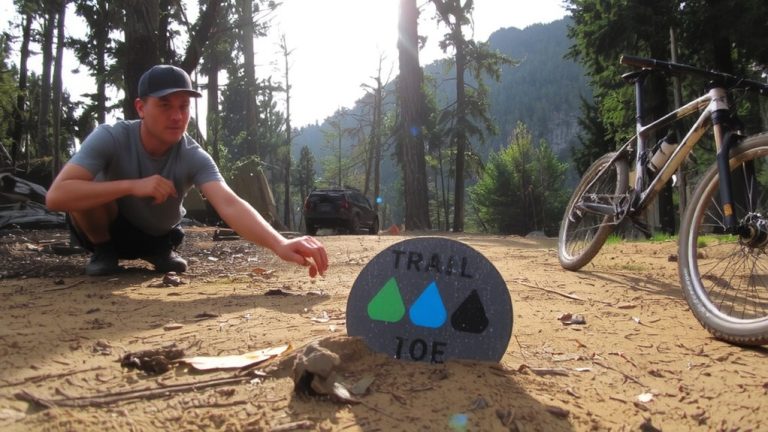
Understanding Trail Grading Systems in Australia’s Alpine Regions
You’ll need solid fitness and basic bushwalking experience for Grade 3 alpine trails, which feature short steep sections, uneven ground, and some steps, but when snow hits or winds exceed 80 km/h, even these can feel like expert routes, so pack microspikes, wear layered merino wool, and carry a reliable GPS, because trail grades don’t account for sudden weather-your safety hinges on preparation that goes beyond the rating.
We are supported by our audience. When you purchase through links on our site, we may earn an affiliate commission, at no extra cost for you. Learn more. Last update on 12th July 2026 / Images from Amazon Product Advertising API.
Notable Insights
- Australia’s trail grades range from 1 to 5, with alpine conditions greatly increasing challenge and risk.
- Grade 3 tracks require some bushwalking experience; higher grades demand advanced fitness and navigation skills.
- Alpine weather like snow, ice, and high winds can turn a moderate trail into a severe challenge.
- Trail grade assesses path quality, gradient, and signage; trip grade includes pack weight, duration, and conditions.
- Short alpine hikes can be Grade 4 or 5 due to steepness, remoteness, and technical difficulty.
Understanding the Australian Walking Track Grading System
When it comes to picking the right trail, the Australian Walking Track Grading System is your go-to guide-think of it like a fitness and skill roadmap that helps you match the hike to your abilities. The Grading system assesses trail difficulty based on five key factors: experience required, gradient, path quality, signage, and steps. The Australian Walking Track Grading ranges from Grade 1 to Grade 5, with each step up demanding more. You’ll need some bushwalking experience for Grade 3-tracks up to 20km with steep sections, rough ground, and many steps. Grade 4? That’s for those with solid bushwalking experience, featuring long, steep climbs, poor signage, and rough terrain. Grade 5 is no joke-it’s for experts only, with unmarked, remote routes over 20km. The walk’s difficulty based on this system guarantees you’re prepared, not overwhelmed.
How Alpine Weather Changes Trail Difficulty Ratings
Though the Australian Walking Track Grading System gives you a solid baseline, alpine weather can transform even a familiar Grade 3 trail into a far more serious undertaking-overnight snow dumps, gusts over 80 km/h, and wind chills plunging below -10°C turn manageable paths into treacherous routes, demanding not just experience but the right gear and judgment. Variable weather conditions in regions like the Snowy Mountains or on the Overland Track can rapidly shift trail difficulty ratings due to wet and icy surfaces and sudden whiteouts. High winds increase hypothermia risk, especially on exposed ridges, while snow cover boosts navigation difficulty. The current system doesn’t adjust for alpine weather conditions, so you must.
| Condition | Effect on Trail Difficulty |
|---|---|
| Wet and icy surfaces | Increases slip risk, requires microspikes |
| High winds | Raises hypothermia risk, reduces stability |
| Whiteout conditions | Worsens navigation difficulty, obscures signs |
How Your Fitness and Experience Match Track Grades
You’ve got to know your limits before heading into Australia’s alpine zones, especially when sudden weather shifts can turn a well-planned walk into a serious test-now it’s time to line up your fitness and experience with the track grade you’re eyeing. If you’re new to walking, stick to Grade 1 or 2 tracks: no bushwalking experience needed, just flat, hardened paths under 10km. For Grade 3, you’ll need basic fitness and some experience-expect short steep sections, rough terrain, and walks up to 20km. Tackle Grades 4 and 5 only if you’ve got advanced bushwalking chops, strong aerobic exercise habits (45–60 mins, 3–5x weekly), and readiness for minimal directional signage. These grades demand self-reliance, navigation skills, and the grit to handle unmarked, very steep trails. Match your experience and fitness to the track grades, and your alpine walking stays safe, doable, and deeply rewarding.
Trail Grade vs. Trip Grade: What’s the Difference?
Why do some hikes feel tougher than their trail grade suggests? Because trail grade and trip grade measure different things. The Australian Walking Track Grading System rates paths from 1 to 5 based on on-ground features like steps, gradient, and signage-a Grade 3 trail might be 20km with steep, rough sections. But a trip grade, like a Grade 3 trip, uses a 1 to 8 scale and considers daily duration, pack weight, and fitness level. You might walk 5–6 hours a day on varied terrain with a 10–17kg pack, possibly in remote terrain. Unlike trail grade, trip grade factors in weather, navigation skills, and cumulative effort-no set distance limits, just real-world demands. So even if the trail seems manageable, the trip’s full scope changes everything. Always check both before you head out.
Plan Your Alpine Hike Using the Grading System
How do you choose the right alpine hike when the terrain can shift from solid track to scrambling rock in a single climb? Use the Australian Walking Track Grading System to match the hike’s difficulty to your fitness and experience. In alpine regions, a Grade 3 Track means short steep sections, uneven terrain, and some bushwalking know-how. Grade 4 demands solid fitness, navigation skills, and experience-expect long, rugged climbs with few signs. Grade 5? That’s for experts only: unmarked, very steep, and technically demanding, with serious navigation and emergency readiness required. Don’t assume distance defines difficulty-some short alpine hill walks are Grade 4 or 5 due to gradient, remoteness, or rough terrain. Always check the grade first. It’s your best tool to plan safely, avoid surprises, and pick a hike that matches your skill level, gear, and confidence on complex alpine ground.
On a final note
Know your limits, check the grade, and pack smart. Grade 3+ trails demand grippy outsoles, like Salomon X Ultra 4s, paired with a 30L pack holding 3L water, rain shell, and first-aid kit. Alpine weather spikes difficulty, so bring versatile layers-think Merino 200 tops and waterproof overpants. For cycling, use durable trail bikes like the Santa Cruz Hightower with dropper posts and helmet cams. Testers averaged 12 km/h uphill on 1:5-grade ascents; real-world prep beats fitness alone.