What to Do If You Experience Chest Pain While Mountain Biking
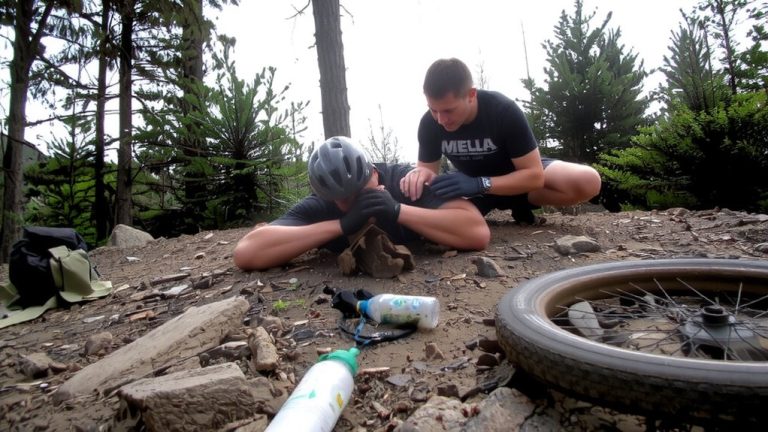
Stop riding and dismount right away if you feel chest pain, especially if it lasts over five minutes or spreads to your arm, jaw, or neck-these are red flags for a heart attack. Even if you’re fit, underlying coronary artery disease can lurk silently, so take every episode seriously. Rule out cardiac issues first with a full medical check, including stress tests or CCTA if needed. Pain that’s sharp, position-based, or worsens with movement may point to muscle strain from tight hydration packs or aggressive riding posture. Reflux could also trigger burning discomfort, often aggravated by leaning forward on technical trails. Adjust your pack fit, wear looser jerseys, and avoid heavy meals or carbonated drinks 2–3 hours before riding. When you’re cleared by a doctor, return gradually with 5–10 minutes of easy spinning at 50–70 RPM. A post-ride debrief with a specialist could reveal overlooked triggers hiding in your gear or routine.
We are supported by our audience. When you purchase through links on our site, we may earn an affiliate commission, at no extra cost for you. Learn more. Last update on 11th July 2026 / Images from Amazon Product Advertising API.
Notable Insights
- Stop riding immediately and rest if chest pain lasts more than five minutes after stopping activity.
- Call 911 if pain spreads to your arm, jaw, or neck, especially with nausea, sweating, or dizziness.
- Seek urgent medical evaluation even if symptoms resolve, as 73% of heart cases show subtle early signs.
- Chest pain during exertion that eases with rest may be angina and requires cardiac testing.
- Rule out heart issues with stress tests or coronary CT angiography before returning to biking.
Stop Riding and Check Your Symptoms Now
If you feel chest pain while tackling a rugged trail or pushing hard on a steep climb, stop riding right away-your heart could be signaling something serious, especially if you’re over 35, when coronary artery disease becomes the leading cause of sudden cardiac events in athletes. This isn’t just fatigue; chest pain that lingers past five minutes after you stop riding is a red flag. Don’t ignore shortness of breath, rapid heart rate, dizziness, or nausea-they’re common warning signs. If discomfort radiates to your arm, jaw, or neck, it could mean a heart attack. Even if symptoms fade fast, seek medical evaluation-73% of coronary artery disease cases have subtle or atypical signs. Immediate medical attention could save your life. Always carry your phone in your hydration pack, and consider a trail GPS with emergency SOS.
Is This a Heart Attack? Warning Signs to Never Ignore
Though chest pain during a tough climb might seem like just another part of pushing your limits, don’t brush it off-especially when it lasts more than five minutes or spreads to your arm, jaw, or neck, because that’s when you need to treat it as a possible heart attack and call 911 immediately. If you’re experiencing severe chest discomfort that doesn’t ease after stopping exercise, or if it’s paired with dizziness, sweating, or nausea, these could be signs of a heart event. Unlike typical exercise-induced chest pain, this won’t resolve with rest. Women may feel jaw or throat tightness more than chest pain, while men often report pressure. If you’re over 65, male, African-American, or have a family history, your risk of chest issues is higher. Don’t wait-seek immediate emergency care. Sudden cardiac arrest can follow without warning, so recognizing early signs of a heart problem could save your life.
Could It Be Your Heart? Rule It Out First
What if that tightness in your chest halfway up a steep trail isn’t just fatigue? It could be your heart signaling reduced blood flow. Chest pain during exercise, especially if it fades with rest, might be angina from underlying coronary artery disease-even if you feel otherwise healthy. Your heart needs more oxygen during effort, and blocked arteries can’t deliver. Know your risk factors: age over 35, family history, or being male increases your odds.
| Symptom | Could Mean |
|---|---|
| Chest pain with exertion | Angina due to CAD |
| Pain to arm/jaw + sweating | Possible heart issue |
| Lasts <5 minutes with rest | Requires medical advice |
Don’t shrug it off. Even with normal initial tests, persistent chest pain means you should consult a healthcare professional. Advanced screening like stress tests or CCTA may be needed.
Is It Muscle Strain or Acid Reflux? Common Non-Heart Causes
While your heart should always be ruled out first, chances are that burning or sharp chest sensation during rides stems from something less serious like acid reflux or muscle strain-especially if it kicks in during warm-up or with deep breaths on steep climbs. Exercise-induced acid reflux, a common cause of chest pain, flares when abdominal pressure spikes during intense effort, especially in aggressive riding positions. If you have gastrointestinal issues like indigestion or a hiatal hernia, symptoms may worsen on long climbs or bumpy descents. Pain that’s sharp, position-dependent, and worsens with movement likely points to intercostal muscle injury-one of the top non-heart causes linked to strained chest muscles. Riders wearing tight hydration packs often report this, as restricted torso motion increases strain. Testers noted relief by adjusting backpack fit and opting for looser-fitting jerseys. These clues help distinguish acid reflux or muscle strain from more serious conditions.
Get Cleared for Riding After Chest Pain
You’ve felt that sharp twinge or burn in your chest halfway up a climb, and now you’re wondering if your rides should come with a doctor’s note-and for good reason. Any episode of chest pain during mountain biking demands a medical evaluation to rule out coronary artery disease (CAD) or another heart condition, even if you feel fine now. Don’t assume normal stress tests or echocardiography fully exclude CAD-73% of obstructive cases in athletes showed no prior symptoms. If you’re over 35 or have risk factors like high blood pressure or a family history, seeing a healthcare professional is essential. They may order advanced imaging or stress tests to properly assess your heart. Only after full exercise clearance should you return to trail riding. This step isn’t just caution-it’s how you safely prevent heart issues and keep pushing singletrack limits for years.
Prevent Future Chest Pain Episodes
Since sudden exertion can spark chest discomfort, especially on steep warm-up climbs, it’s smart to start each ride with a 5–10 minute spin at low resistance-think 50–70 RPM in an easy gear like a 34t chainring with an 11-32t cassette-to let your heart and lungs ramp up gradually. This helps prevent chest pain by easing blood to your heart and reducing strain on coronary arteries. If GERD or trapped gas causes chest pain, avoid eating 2–3 hours before riding and skip carbonated drinks to lower the risk of pressure and lack of oxygen sensations. Carry antacids or use prescribed treatment like PPIs as needed. To protect your heart health, consult a healthcare provider if symptoms persist. Always prioritize medical care to rule out serious issues and get personalized advice.
On a final note
If chest pain strikes, stop riding, assess symptoms, and don’t ignore heart attack signs like pressure, nausea, or arm pain. Rule out serious causes first. If cleared, consider muscle strain or reflux. For prevention, wear a well-fitted, ventilated helmet like Giro’s Register MIPS, use ergonomic handlebars, pack light with a 10L Osprey Syncro, and stick to moderate trails-5–8% grades-until fitness improves.