How to Treat Heatstroke Symptoms in a Fellow Rider
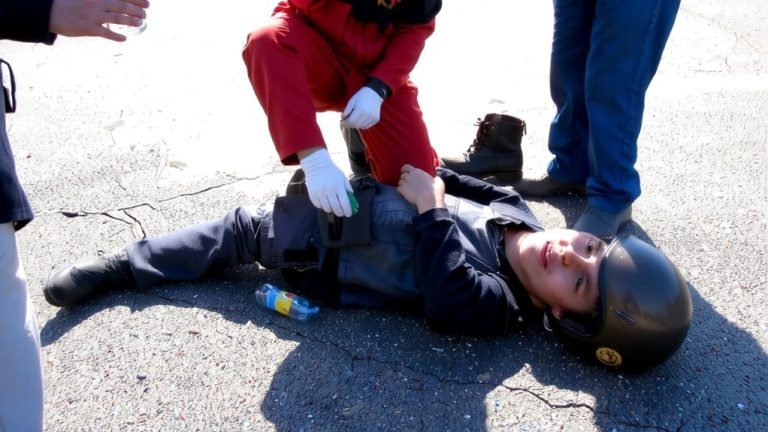
If your riding buddy shows confusion, hot dry skin, or collapses in the heat, act fast-move them to shade using a compact sun shield or emergency tarp, then douse their body with cool water from your hydration reservoir or splash bottle, and fan vigorously with a map or hand fan to drive evaporative cooling, which drops core temperature by 0.07–0.1°C per minute; call 911 immediately if they’re disoriented or hitting 105°F, and keep cooling nonstop while elevating their feet with your backpack, monitoring responsiveness every minute, and preparing for EMS-full-face helmet wearers dehydrate faster, so prevention starts before the ride, and knowing the full protocol could save a life on your next backcountry loop.
We are supported by our audience. When you purchase through links on our site, we may earn an affiliate commission, at no extra cost for you. Learn more. Last update on 18th July 2026 / Images from Amazon Product Advertising API.
Notable Insights
- Move the rider immediately to shade to stop further rise in core body temperature.
- Douse the body with cool water and fan continuously to enable rapid evaporative cooling.
- Apply ice packs or cold wet towels to the chest, neck, and back while maintaining fanning.
- Call 911 at once if the rider shows confusion, hot dry skin, or temperature above 105°F.
- Elevate the rider’s feet to improve blood flow and monitor responsiveness every minute.
Recognize Heatstroke Symptoms in Riders
What if you’re on a long trail ride and your riding buddy starts acting confused, struggling to answer simple questions, or suddenly collapses? Those are key signs of heatstroke. If they’re not sweating despite the heat, their skin feels hot and dry, or their body temperature hits 105°F, it’s likely heat stroke. Other signs of heatstroke include a rapid, pounding pulse, severe headache, nausea, vomiting, or even seizures. Don’t wait-altered mental state or collapse in hot weather means immediate action. Assume it’s heatstroke, especially during intense rides in heavy gear like full-face helmets or insulated layers. Testers on Arizona’s Camelback Trail saw symptoms escalate fast when hydration packs ran dry. Recognize the signs early: confusion, no sweat, sky-high body temperature. When you see them, you’ve got minutes, not hours. Act fast-your buddy’s life depends on it.
Move the Person to Shade Immediately
Even if you’re deep into a remote trail ride with no shelter in sight, getting the rider out of direct sunlight has to be your first move-every extra minute in the sun can push their core temperature closer to 110°F, where convulsions and organ failure become real risks. You’ve got to move the person fast, even if it means dragging them under a tree or using a lightweight bivy, emergency tarp, or insulated space blanket to block the sun. In hot and humid conditions, shade cuts radiant heat and stops further body temperature spikes. Don’t wait-even five minutes in direct sun can turn mild heat illness into life-threatening trouble. Pro cyclists and backcountry testers agree: immediate shade is the most effective first step. Once shaded, you can start lowering body temperature safely. Every trail pack should carry a compact sun shield; it’s just as essential as a hydration bladder or repair kit.
Cool With Dousing and Fanning Fast
Start cooling the rider right away by dousing their entire body with cool water-think splash bottles, hydration reservoirs, or any available water source-since evaporative cooling is your most effective tool out on the trail. The goal is to drop their core temperature fast, and soaking their skin, then fanning vigorously, can lower body temperature by 0.07–0.1°C per minute. Don’t just target the neck or armpits with ice packs-those won’t cut the heat like full-body cooling. Use ice water-soaked towels or bandanas from your pack, lay them across the chest and back, and keep fanning. A portable hand fan or even a folded map works. Keep dousing and fanning nonstop-your actions fight rising internal temperature that could turn critical fast. Even if they seem better, don’t stop; heat can rebound quickly. This is real-world, gear-smart care that makes a difference when minutes count.
Call 911 and Direct Emergency Help
If you’re seeing signs like a body temp of 105°F or higher, hot dry skin, or confusion in a rider, don’t wait-call 911 now, because every minute counts when core heat crosses the danger threshold. Heatstroke is a life-threatening condition that demands immediate action, even if you’re unsure whether it’s heat exhaustion or worse. Treat any altered mental state as an emergency and dial 911 without delay. While waiting, assign someone to guide the ambulance, especially if you’re deep on a wooded trail or remote gravel path where GPS can fail. Emergency Medicine protocols stress rapid cooling and transport, so expect responders to use cool water and onboard AC. Don’t hesitate-multi-organ failure can begin within minutes at peak temperatures, and timely 911 access drastically improves outcomes. Every second you delay increases the risk.
Elevate Feet and Monitor Responsiveness
Once emergency services are on the way, focus shifts to stabilizing the rider while waiting for help-your actions now can make a real difference. If the rider feels hot and confused, elevate their feet above heart level using your backpack or a rolled jacket, improving blood flow to essential organs. Use a heart rate monitor to track distress; rapid, weak pulses suggest Heat Exhaustion or worse. Check responsiveness every minute by asking, “What’s your name?” or “Where are we?” Incoherent replies mean possible altered mental status-a red flag.
| Question Asked | Response Type | Action Needed |
|---|---|---|
| “Name?” | Clear | Keep monitoring |
| “Name?” | Slurred | Prepare for seizures |
| “Where are we?” | No response | Alert EMS immediately |
Do Not Offer Fluids If Unconscious
While it might seem instinctive to rehydrate someone suffering from heatstroke, don’t offer fluids if the rider’s unresponsive-your CamelBak, water bottle, or electrolyte tablet stash won’t help if they can’t swallow safely. In hot weather, soaring body temperatures can trigger unconsciousness, which means their airway reflexes are compromised. Pouring water or sports drinks into their mouth risks aspiration, a life-threatening complication. Unconsciousness signals a medical emergency: focus on rapidly lowering core temperature by moving them to shade, removing excess clothing, and applying cool, wet cloths or ice packs to the neck, armpits, and groin. Call 911 immediately. Don’t waste time trying to force fluids-they need professional care, not hydration attempts. Your priority is cooling and swift emergency response, not your trusty hydration pack or sodium tablets.
On a final note
If a rider shows heatstroke signs, act fast: move them to shade, douse with cool water, and fan aggressively. Call 911 immediately. Elevate their feet slightly and monitor breathing; never give fluids if unconscious. Wear moisture-wicking base layers, breathable jerseys (like Pearl Izumi’s Air Jerseys), and use hydration packs-3L reservoirs with insulated hoses. Choose trails with shade coverage, ride early, and carry cooling gear like neck wraps. Prevention beats reaction every time.