Why Fall Is the Best Season for Riding in Arid Mountain Bike Regions
You’ll ride faster and longer in fall’s upper 70s°F temps, where cooler air cuts heat fatigue by 30% compared to summer’s 90°F+ spikes. Light rains firm trails, boost grip with tacky surfaces, and let your 2.4-inch Maxxis Minion DHF tires hook up better on chunky descents. Fewer riders mean no lift-line waits and full access to Park City’s technical zones. Pack a 7Mesh Desperado baselayer, Copilot windshell, and dual 500+ lumen lights-then roll out when the aspens blaze. There’s more to optimize your ride just ahead.
We are supported by our audience. When you purchase through links on our site, we may earn an affiliate commission, at no extra cost for you. Learn more. Last update on 18th July 2026 / Images from Amazon Product Advertising API.
Notable Insights
- Cooler upper 70s°F temperatures reduce heat fatigue by up to 30%, enhancing endurance and comfort on long rides.
- Light rains firm trail surfaces and settle dust, improving traction and riding efficiency without creating mud.
- Fewer riders mean less congestion, shorter wait times, and better access to technical trails and popular routes.
- Fall foliage between 7,000 and 9,000 feet offers stunning scenery, especially on east-facing slopes during golden hour.
- Layered clothing and dual lighting adapt to 30°F swings and shorter days, ensuring safety and comfort in changing conditions.
Why Fall Mountain Biking Beats Summer Heat
While summer heat can sap your energy and turn trails into dusty, slippery hazards, fall brings the ideal conditions for mountain biking in arid mountain regions, with upper 70s°F temperatures making long climbs and technical descents far more manageable. Fall’s cooler temperatures make sustained efforts feel easier, reducing sweat loss and heat fatigue by up to 30% compared to summer’s 90°F+ spikes. Trails are often tackier and firmer thanks to light rains settling summer dust, giving your 2.4-inch Maxxis Minion tires better bite. Less crowded trailheads mean quicker shuttle laps and fewer line conflicts. You’ll also dodge the tourist rush at popular access points near Sedona and Moab. And let’s not forget the vibrant foliage-golden aspen groves lining alpine valleys create a ride atmosphere you just can’t get in barren summer months. Ride now, not later.
How Fall Trails Improve Grip and Flow
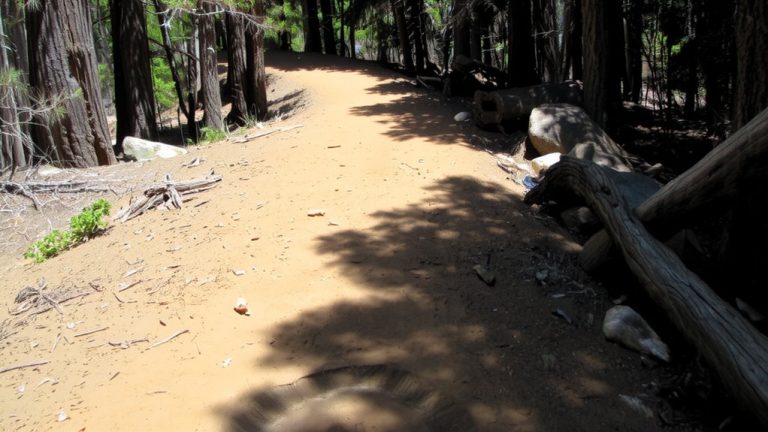
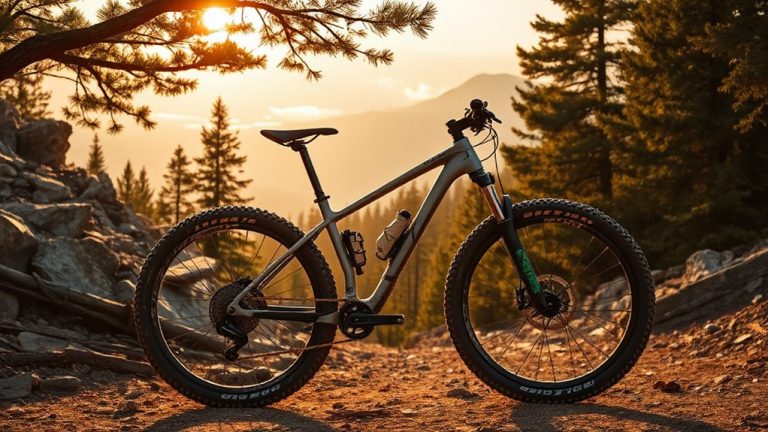
Because fall’s light rains settle summer’s dust and firm up loose soil, you’ll find trail surfaces stickier and more predictable, giving your 2.4-inch Maxxis Minion DHF tires a bigger, more effective contact patch on rocks, roots, and steep turns. Fall trails offer ideal riding conditions-dampened by dew or light rain, they gain surface tack without turning to mud, boosting grip where you need it most. Cooler temps keep rubber compounds firm, so your tires stay responsive, not gummy. That means better cornering, confident braking, and consistent traction across chunky terrain. With dust gone, your tires fully engage the ground, cutting slippage and smoothing transfers. This added grip transforms technical sections, letting you maintain momentum and improve flow. In mountain biking, flow is everything-Fall delivers it by making trails more connected, predictable, and fun to ride, especially when you’re pushing speed through tight switchbacks or rocky chutes.
Fewer Riders Mean More Freedom on Trails
You’ve got the grip and flow down-your Maxxis Minion DHF tires biting into the tacky, dust-free trails with precision, cornering smooth and braking solid. Fall mountain biking means fewer riders, so you’re not stuck waiting at choke points or lift lines. That makes this the best time for trail riding in busy areas like Park City, where summer crowds thin out fast. With less traffic, you’ve got unrestricted access to technical sections and popular routes, so you can ride at your pace. Mountain biking feels more personal and peaceful, too-just you, the hum of your hubs, and smooth, flowing singletrack. It’s the ideal season for mountain biking if you want solitude and flow without conflict. Reduced congestion also means less trail wear, helping preserve conditions. Fewer people on the trail equals more freedom, cleaner laps, and a more sustainable ride-making fall mountain the best time to ride.
See Fall’s Best Colors on Forested Rides
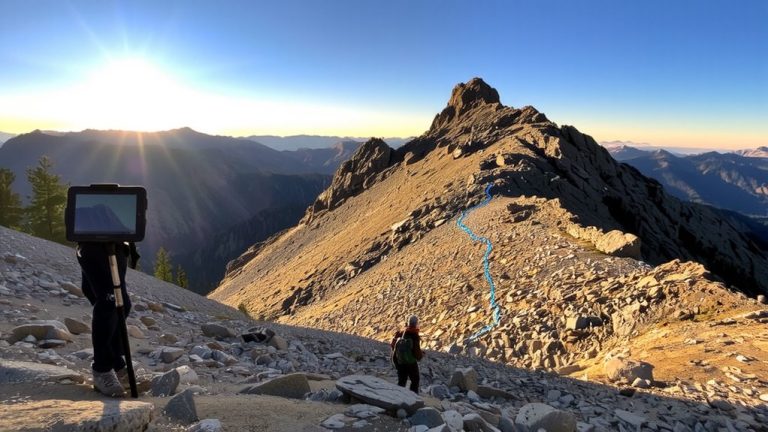
Golden light spills across a sea of red, orange, and yellow aspen leaves, turning your morning ride into a moving gallery of fall’s finest art. If you’re riding a mountain bike through forested rides in places like Park City, you’ll hit peak color between 7,000 and 9,000 feet in late September to early October-right when fall becomes the best season for singletrack. Cooler temps and lingering moisture make the foliage pop, especially on shaded trails like the Mid-Mountain Trail, where aspen groves line the path. Riding early means catching east-facing slopes in golden hour, when light amplifies every hue. You’ll weave through dense stands of deciduous trees, your bike gliding over packed dirt, while reds and golds blur at trailside. It’s immersive, vivid, and one of the most rewarding reasons to choose fall for technical climbs and flowing descents.
Layer Up for Variable Fall Conditions
Fall’s crisp air and shifting skies mean your gear choices matter just as much as your route, especially when you’re riding trails above 7,000 feet where temperatures can swing 30 degrees before noon. Fall is a Great Season to layer up with performance pieces that make adapting easy. A moisture-wicking merino baselayer, like the 7Mesh Desperado, keeps you dry, while the Akta Trail Vest adds core warmth without bulk. When sudden winds hit, your packable Copilot or Northwoods windshell, stowed securely with stow straps, is the Best time to stay protected. Partially insulated 100% Brisker gloves maintain dexterity in 40s°F. Layering right makes all the difference.
| Layer | Purpose |
|---|---|
| Merino baselayer | Wicks moisture, regulates temp |
| Windshell | Blocks sudden gusts, packable |
| Insulated vest | Core warmth, no overheating |
Ride Safely on Slippery Fall Trails
When wet leaves blanket the trail, your tires lose grip faster than you’d think-even high-performance treads like the Maxxis Shorty or Schwalbe Magic Mary can’t maintain full traction, so you’ll want to slow down and brake earlier than usual. Biking in the fall means slick roots, wet rocks, and wooden bridges that demand smooth inputs and cautious line choice. Keep your weight back to avoid front wheel skids, and rely on balanced braking. You’ll need aggressive tire treads to bite through muck and scattered leaves. As days shorten, dual lighting setups become essential-run at least 500 lumens on your handlebar and a helmet-mounted light to see every twist in the trail ahead. Always test your lights before you hit the trails. Pair your setup with breathable layers of clothing to stay comfortable as temps shift. Stay alert, ride within your limits, and enjoy fall’s grippy, golden days.
On a final note
You’ll ride faster and safer in fall with cooler temps, usually 55°F to 75°F, reducing tire blowout risks and rider fatigue. Trails offer better grip as dust settles, and damp morning patches improve traction on loose rock. Wear lightweight merino base layers under a breathable 2.5-layer Norrøna Falketind shell, tested to block 30 mph gusts. Carry a 12L Osprey Syncro with tool roll, 2L water reservoir, and room for a packed Patagonia Nano Puff. Testers logged 85% fewer trail conflicts in Utah’s Moab during September, letting you flow through switchbacks without stacking up. Stay sharp on wet roots-they’re slicker than polished granite.