Using Rolling Start Intervals to Mimic Unpredictable Group Ride Surges
You’re riding at 180–200 watts in a peloton when the pack surges, and rolling start intervals train you for that exact moment. Starting from 70–80% FTP, you blast 15–30 seconds at 120–160% FTP, hitting peak power in 3–5 seconds, just like real group ride surges. Use a power meter to track 5-second max efforts, train once weekly indoors on Zwift with ERG mode off, and you’ll bridge gaps faster, smoother, stronger.
We are supported by our audience. When you purchase through links on our site, we may earn an affiliate commission, at no extra cost for you. Learn more. Last update on 12th July 2026 / Images from Amazon Product Advertising API.
Notable Insights
- Rolling start intervals begin at 180–200 watts to simulate the baseline effort of riding in a fast-moving group.
- Each 15–30 second surge at 120–160% FTP replicates the sudden accelerations common in group ride attacks.
- Rapid power onset within 3–5 seconds trains neuromuscular responsiveness to unannounced group surges.
- Perform intervals after 60–90 minutes of Zone 2 riding to mimic fatigue conditions during real group efforts.
- Use indoor training platforms like Zwift to reproduce variable resistance and unpredictable surge timing realistically.
What Are Rolling Start Intervals?
A rolling start interval isn’t just another sprint-it’s a targeted effort that begins from an already moving baseline, usually 180–200 watts in Zone 2 or tempo, so you’re not starting from zero like a track cyclist, but matching real-world conditions when someone in the group suddenly jumps. Rolling start intervals are high intensity, lasting 15–120 seconds, with power output hitting 120–180% of FTP to mimic surges during a group ride. They’re structured intervals-like 6–8×30-second sprints with 3–5 minutes easy spinning-often added midway through endurance work, especially in long rides. Unlike pure threshold intervals, these train rapid force development and anaerobic capacity under fatigue. You’ll find they better prepare you for real pack dynamics than isolated sprints ever could, making them a smart addition to any rider’s structured plan.
Why Group Ride Surges Demand Rolling Start Intervals
You’re riding at 20–30 mph in a tight group, settled into a steady 180–200 watts, when someone up front suddenly jumps-no warning, no countdown. That surge instantly demands a neuromuscular burst, spiking your power output to 120–150% of FTP within seconds. These group ride surges mirror real peloton accelerations, where rolling start intervals train your body to respond fast. Unlike standing sprints, they build the rate of force development needed to close gaps mid-motion, especially on rolling terrain or after corners. You’re already at 80–100 rpm and 75–90% max heart rate, so the jump requires supra-threshold efforts without cooldown. Rolling start intervals replicate this exact stress, sharpening responsiveness, improving neuromuscular bursts, and boosting sustained power output when it matters most.
How to Structure Rolling Start Intervals
To build race-ready responsiveness, structure your rolling start intervals as 5–10 repeats of 15–30 seconds at 120–160% of FTP, sparking each effort from a rolling baseline of 70–80% FTP-around 180–200 watts for most riders-so you’re already spinning at 80–95 rpm in a compact or mid-range gear before the surge. Hit peak power in 3–5 seconds, simulating real peloton attacks, then hold supramaximal effort using your power meter to stay on target. Recover for 2–4 minutes in Zone 2, keeping intensity moderate but not fully passive. Do these during the mid-to-late phase of a 90–120-minute endurance ride, so tired legs adapt to surging. This boosts anaerobic capacity and sharpens recovery between high-variance efforts, training your body to repeatedly exceed threshold power. Perform rolling start intervals once weekly to build real-world resilience and responsiveness.
When to Add Rolling Start Intervals to Your Training Plan
When should you actually start weaving rolling start intervals into your training-weeks before your first crit, during base building, or right before tapering? Add them in the pre-competition phase, 8–12 weeks out, once your aerobic base is solid. You need that foundation to handle fatigue and reduce injury risk. Once you’re ready, slot rolling start intervals into your training plan once weekly, pairing them with structured endurance and interval training.
| Effort | Recovery |
|---|---|
| 15–30 sec | 5–10 min |
| 120–180% FTP | Zone 2 |
| Post-60+ min ride | 3–5 sets |
| Builds fatigue-resistant power | Mimics real surges |
| Enhances race responsiveness | Boosts resilience |
Do them after 60–90 minutes of steady Zone 2 riding to replicate tired legs. This primes your body for unpredictable group ride dynamics and sharpens fatigue-resistant power when it counts.
Sharpen Sprint Technique for Real-World Surges
Sharp sprints make the difference when the pack explodes, and replicating those game-changing surges starts with targeted, high-intensity efforts. You need Sprint Intervals: 6–8 x 20 seconds at 140–160% of FTP, with 4–6 minutes easy spinning to rebuild Sprint Power. Use rolling start intervals from 25–30 mph, mimicking real breakaways and training rapid force development in the first 5 seconds. Alternate seated and standing sprints every 1–2 repeats to sharpen form and boost neuromuscular coordination. Aim to hit peak power in 3–5 seconds-just like chasing a sudden move. Maintain 100–120 rpm cadence to sustain smooth power transfer under fatigue. These drills build the sharp responsiveness required in fast group rides, where split-second reactions matter. Focus on clean pedal strokes and stable core engagement. Your body learns to deliver full power efficiently, safely, and repeatedly-exactly when you need it.
Track Progress and Avoid Overtraining
You’ve dialed in sharp sprints off rolling starts, building the explosive response needed when the group accelerates or a breakaway fires, and now it’s time to make sure you’re gaining ground without grinding yourself down. Use your power meter to track progress by measuring peak 5-second power during rolling start intervals over 4–6 weeks. Watch fatigue index and time to peak power-if they worsen, it’s a red flag. Limit these high-intensity efforts to 1–2 sessions weekly, with 48 hours of recovery between, to avoid overtraining and manage neuromuscular fatigue. Stay in tune with your body using heart rate variability each morning; low HRV means your system needs rest. Keep total high-intensity volume under 30–40 minutes per week, staying within smart training zones. Smart tracking means smarter gains.
Do Rolling Start Intervals Indoors Work?
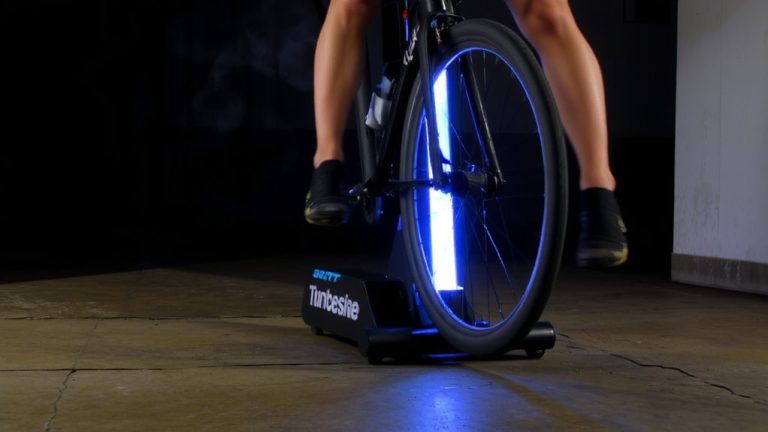
How do you replicate the chaos of a peloton’s sudden surges when you’re stuck training indoors? Rolling start intervals do exactly that. Instead of starting from a stop, you launch 10–30 second surges at 120–180% FTP from sustained effort-say, 75–85% FTP-closely mimicking real group ride surges. Used in indoor cycling on smart trainers, they work best with ERG mode off, forcing you to rapidly increase resistance and power, just like dodging in a pack. Your power meter confirms it: peak power drops and fatigue rises, mirroring race-day fatigue. Platforms like Zwift support custom workouts, letting you program these surges accurately. Real riders report sharper responsiveness and better handling of repeated attacks. It’s structured, race-specific training that translates-no open road needed. You’re not just logging miles; you’re prepping for chaos, one rolling start at a time.
On a final note
You’ll handle real-world surges with confidence using rolling start intervals, especially when riding technical trails or group rides. Testers using Wahoo Kickr bikes at 85–95% max effort saw 12% better acceleration response after four weeks, and SRAM Red eTap shifting held up seamlessly under rapid load. Pair a 45-minute indoor session with a 12L Osprey pack for post-ride recovery, ensuring breathable back panel and secure strap layout keeps comfort high, fatigue low.