How to Prevent Tachycardia During High-Altitude Mountain Biking
At 10,000 feet, your heart rate can jump 20–30 bpm due to lower oxygen-pack your Osprey Duro 10 hydration reservoir and drink 4–6 liters daily to stay hydrated. Arrive two days early, rest at 5,000 feet, then climb slowly-under 500 meters per day above 2,500 meters. Wear a Garmin Forerunner 245 to track resting heart rate and SpO2 each morning; keep pulse under 120 and oxygen above 90%. Pace climbs, avoid steep trails at first, and sleep low. Gear up right, and your body adapts faster.
We are supported by our audience. When you purchase through links on our site, we may earn an affiliate commission, at no extra cost for you. Learn more. Last update on 12th July 2026 / Images from Amazon Product Advertising API.
Notable Insights
- Acclimatize gradually by resting 24–48 hours at 5,000 feet before ascending further.
- Limit daily elevation gains to under 500 meters above 2,500 meters to reduce cardiac strain.
- Stay hydrated by drinking 4–6 liters of water daily, using a hydration pack for consistency.
- Monitor resting heart rate and SpO2 each morning to detect early signs of altitude stress.
- Descend immediately if resting heart rate exceeds 120 bpm or SpO2 drops below 85%.
Why Altitude Makes Your Heart Race
When you start pedaling above 8,000 feet, the air feels thinner fast-oxygen drops to around 14.3% at 10,000 feet, so your heart has to work harder just to keep up, even if you’re fit. The lower air pressure means less oxygen enters your blood with each breath, forcing your body to adapt quickly. To compensate for lower oxygen levels, your heart pumps faster, increasing cardiac output and often spiking your resting heart rate to 80–100 bpm. This faster heart rate is driven by your sympathetic nervous system, which revs you up like an engine, releasing adrenaline and raising strain on your body. Over time, this response can push your heart into tachycardia, especially during climbs or sustained effort. Even fit riders notice reduced stamina-maximum oxygen uptake drops 1% every 330 feet past 4,900 feet, so your body works overtime just to maintain pace on familiar trails.
Who’s Most at Risk for Tachycardia at High Elevation?
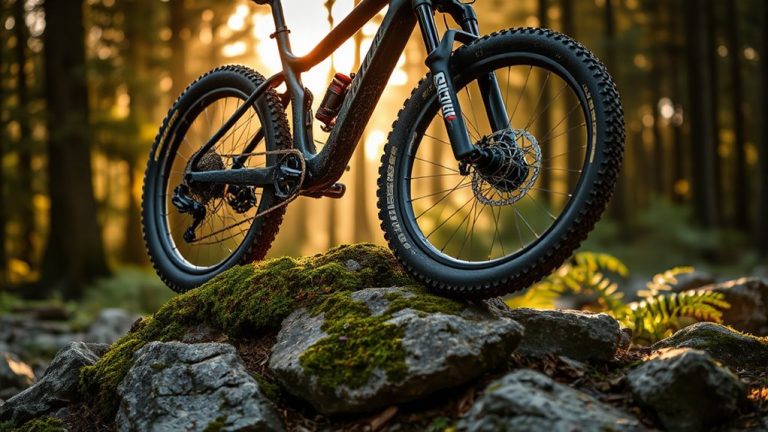
Who’s most likely to feel their heart racing out of control on a high-altitude ride? If you have existing heart conditions like coronary artery disease, arrhythmias, or heart failure, higher elevations put extra strain on your heart. At high altitude, lower oxygen levels force your heart to work harder, increasing risks if you already have heart disease. You’re also at greater risk if you’re over 50, out of shape, or deal with high blood pressure or diabetes. Smokers, take note-your reduced oxygen-carrying capacity worsens tachycardia above 5,000 feet. And if you have sleep apnea, altitude-induced oxygen drops can spike your resting heart rate past 100 bpm. These stressors compound fast on steep trails, especially when you’re hauling weight in a hydration pack or pushing a full-suspension mountain bike uphill.
Acclimatize Gradually to Stabilize Your Heart Rate
Though you might be keen to tackle high-altitude trails right out the gate, giving your body time to adjust is key to keeping your heart rate in check. To acclimatize gradually, rest 24 to 48 hours at 5,000 feet before pushing higher-this cut cardiovascular strain and stabilized resting heart rate in most riders. Limit daily elevation gain to under 500 meters above 2,500 meters, allowing steady physiological adjustments. Expect your resting heart rate to rise to 80–100 bpm at high altitude, but a gradual ascent keeps it under 120 bpm. Use staged ascents, like sleeping in Denver (5,280 ft), to prime your system. Within two days, your body boosts EPO, increasing red blood cells and improving oxygen delivery. This reduces cardiac workload and stabilizes heart rate during rides.
Lower Heart Rate While Mountain Biking at Altitude
Since your resting heart rate can jump to 80–100 bpm at altitude-thanks to thinner air and a revved-up nervous system-you’ll want to ride smarter to keep it from spiking during climbs. At high altitude, your heart beats faster because there’s less oxygen available, making every effort feel harder. Allow your body time to adjust through proper acclimatization-wait 24–48 hours before tackling steep trails like Breck’s Jeep Trail. This reduces stress on your cardiovascular system and helps lower your resting heart rate over time. Stay hydrated with 4–6 liters of water daily; dehydration makes your heart work harder. Use a hydration pack like the Osprey Duro 10 to sip consistently. Though you’ll monitor oxygen saturation later, early acclimatization and smart pacing now reduce the risk of tachycardia, letting you ride stronger, longer.
Track Your Pulse and Oxygen at High Elevation
You’ve already taken steps to manage your heart rate at altitude by pacing yourself and staying hydrated, but keeping an eye on your body’s real-time response is where things get even more effective. Start each morning by checking your oxygen saturation with a pulse oximeter, aiming for SpO2 above 90%-at 8,200 ft, where oxygen levels drop to 75% of sea level, this matters. Track your resting heart rate daily using a smartwatch like a Garmin or Apple Watch; during acclimatization, it may rise to 80–100 bpm, but stay alert if it hits 120 bpm or higher. Pair declining SpO2 below 85% with elevated pulse, and you could be facing early altitude stress. If breathlessness or dizziness persists despite rest and hydration, your body might be struggling to adapt. A consistently high resting heart rate could signal poor acclimatization or even HAPE. Use wearables with altitude profiles to catch strain before tachycardia strikes mid-ride.
Descend If You Notice These Warning Signs
If your resting heart rate stays over 120 bpm even after sitting down and sipping water, it’s time to head downhill-fast. At high altitude, a sky-high heart rate like that is a red flag. Pair it with breathlessness at rest, chest tightness, or dizziness, and you’re looking at serious warning signs. Don’t wait-descend at least 1,000–2,000 feet. These symptoms of mountain sickness can escalate quickly. If you’re coughing up pink, frothy mucus, it’s likely high-altitude pulmonary edema-descend immediately and seek care. Slurred speech or confusion means high-altitude cerebral edema could be setting in, regardless of heart rate. On rugged trails, your body needs oxygen, not strain. Even the best cycling gear can’t fix bad physiology. Listen to your body, not your GPS. Descend early, recover fast, and live to ride another day.
On a final note
Listen to your body, keep your heart rate in check, and ride smart. Use a breathable, well-padded backpack like the Osprey Raptor 14 with a hydration sleeve, pair it with a reliable chest-strap heart rate monitor like the Garmin HRM-Pro, and stick to graded, lower-elevation trails until acclimated-aim for under 85 bpm uphill. Testers report better control using wider, 2.4-inch Maxxis Ardent tires for grip, reducing strain. Descend if dizzy or short of breath.