What to Do If You Encounter a Lost or Injured Dog on the Trail
Stay calm and check the dog’s body language-soft eyes and slow tail wagging mean it’s safe, but stiff muscles or bared teeth mean danger. Use your 120+ decibel air horn to create space, stand your ground with body angled sideways, and never make direct eye contact. Shield yourself with a backpack or bike if needed. Report aggressive dogs to the Sheriff or Missouri State Parks Rangers, then scan for a microchip at a nearby clinic. Leave a clear voicemail if you find a number. Secure calm dogs with a slip lead made from paracord, never remove collars with rabies tags, and post details in Katy Trail Facebook groups using the nearest mile marker. More trail-tested tips follow on safely reuniting lost dogs with owners.
We are supported by our audience. When you purchase through links on our site, we may earn an affiliate commission, at no extra cost for you. Learn more. Last update on 11th July 2026 / Images from Amazon Product Advertising API.
Notable Insights
- Assess the dog’s body language to determine if it’s stressed, fearful, or aggressive before approaching.
- Protect yourself by using a backpack or bike as a shield and avoiding sudden movements or direct eye contact.
- Report the dog immediately to Missouri State Parks Rangers, Animal Control, or the Sheriff’s Office based on behavior.
- Check for ID tags or have the dog scanned for a microchip at a nearby vet or shelter.
- Secure calm dogs with a leash and post found alerts online; never approach aggressive dogs-retreat and call for help.
Stay Calm and Read the Dog’s Body Language
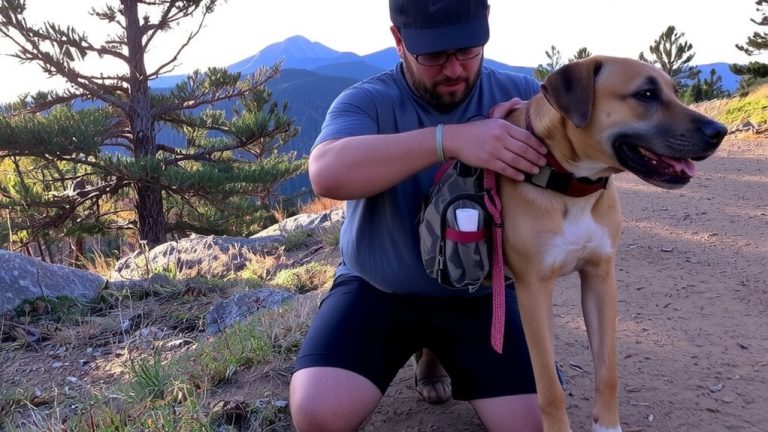
While a wagging tail might make you think the dog’s friendly, don’t be fooled-tail movement alone isn’t a reliable sign of safety, as it can just as easily signal fear or high arousal. To stay safe, you need to Stay Calm and assess the dog’s body language carefully. Look at the dog’s body: a relaxed posture, soft eyes, and slow tail wagging suggest non-aggression, while stiff muscles, raised hackles, or bared teeth mean danger. Avoid direct eye contact, which the dog may see as a threat. Watch the dog’s behavior for signs of stress or fear. Never make a Sudden movement-quick actions can trigger a reaction. Keep calm, move slowly, and speak softly. Your composed presence helps de-escalate tension. Whether you’re hiking with trekking poles or carrying a hydration pack, your gear stays secondary to reading cues accurately.
Protect Yourself Before Approaching a Loose Dog
A sturdy backpack or your bike can double as a shield if you’re confronted by a loose dog on the Katy Trail, giving you space and confidence to handle the situation safely. If the dog seems aggressive, stand your ground, avoid running, and angle your body sideways to appear less threatening-direct eye contact can escalate tension. Keep your backpack centered or use your bike as a barrier; most loose dogs won’t charge past a solid object. Carry an air horn rated at 120+ decibels; cyclists report it deters dogs instantly without harm. Only use pepper spray or dog mace if the dog is attacking-misuse can have legal consequences. Never turn your back. If the animal seems distressed or dangerous, don’t approach. Note details and have animal control’s phone number saved in your phone for quick access.
Report the Dog to Trail Authorities Immediately
Once you’ve safely distanced yourself from a loose or injured dog on the Katy Trail, your next move is clear: get the right authorities involved right away. Reporting a lost dog quickly increases the chance of reuniting it with its owner and keeps other trail users safe. Use your GPS or trail map to note the exact location, like the nearest mile marker, so responders can find the dog fast.
| Concern | Contact | Purpose |
|---|---|---|
| Lost dog on trail | Missouri State Parks Rangers | Official trail response |
| Aggressive or dangerous behavior | Local Sheriff’s Office | Urgent public safety |
| Injured or stray dog | Animal Control (505-428-3710) | Medical care and shelter |
| Microchip check & recovery | Humane Society | Reunite with owner |
Always report a lost dog with the exact location to Animal Control or the Humane Society for the best outcome.
Check for ID Tags or Scan for a Microchip
Start by checking the dog’s collar for any ID tags-these often list the owner’s name, phone number, or address and can get the dog home fast. Never remove the collar, since rabies license tags help animal control return a dog with their owner quickly. If you find no ID tags, don’t worry-you can still reunite them. Head to the nearest veterinary clinic or animal shelter, where they’ll scan for a microchip. These tiny implants store up-to-date contact information and are painless to check. Good news: microchip scanners in the U.S. read all major brands, so the odds are in your favor. If you call a number and get voicemail, leave a clear message with your name, location, and phone-owners may be searching and checking messages often. That simple step could bring a lost dog with their owner faster than you think.
Secure the Dog Safely Without Risk
If the dog seems approachable, you’ll want to move carefully-turn your body sideways, crouch slightly, and avoid direct eye contact to reduce stress for both of you, since even friendly dogs can get skittish around strangers on narrow trails. To secure the dog safely, use your backpack or bike as a barrier while you assess its behavior. If calm, use a leash or improvise a slip lead from paracord or 550 cord to gently secure it. Make sure not to corner the dog or make sudden moves that could trigger fear. If you found a lost dog showing aggression-stiff posture, bared teeth, or raised hackles-don’t attempt to secure it; retreat and call animal control. Good Trail Etiquette means prioritizing safety for dogs, yourself, and others on the path.
Alert Nearby Hikers and Trail Users
Keep everyone safe by calling out to nearby hikers, cyclists, and equestrians as soon as you’ve secured or contained the dog, using a loud but calm voice to alert trail users within at least 50 feet-especially around blind corners, switchbacks, or junctions where surprise encounters could startle the animal or trigger reactive behavior. Ask others to leash their dogs and keep distance, avoiding sudden moves or eye contact that could stress the lost pet. Encourage cyclists and horseback riders to stop and dismount calmly. Share details of the found dog immediately via social media and local lost and found groups to speed up reunion.
| Trail User | Action Needed | Reason |
|---|---|---|
| Hikers | Leash dogs, keep distance | Prevents animal stress |
| Cyclists | Dismount, wait 50 ft away | Reduces perceived threat |
| Equestrians | Halt approach, speak softly | Avoids startling lost pet |
Reunite the Dog Using Trail-Specific Resources
Now that you’ve kept the trail safe and others informed, it’s time to get the dog back where it belongs. If you see a dog with a wagging tail and no injuries, check its body for a collar-tags or a rabies license can lead to a quick phone call to the owner. Note the mile marker and contact Missouri State Parks Rangers or Animal Control to report the lost dog. Call nearby shelters like the Humane Society of Missouri or Lakewood Animal Shelter; they’ll check microchip databases and lost dogs logs. Post a found alert in Katy Trail Facebook groups or Nextdoor, including breed, color, photo, and location. If possible, carry the dog to a clinic in Katy or Clinton, MO, to scan for a microchip linked to HomeAgain or AKC Reunite.
On a final note
Stay calm, check for tags or a microchip, and secure the dog safely using a leash or carrier if needed. Alert trail staff and nearby hikers, then post details online with location, breed, and collar color. Carry a portable water bowl, gloves, and a flashlight during hikes-these help in real emergencies. Always prioritize safety, for both you and the dog, without taking risks.