What to Do If a Rider Stops Breathing After a Crash
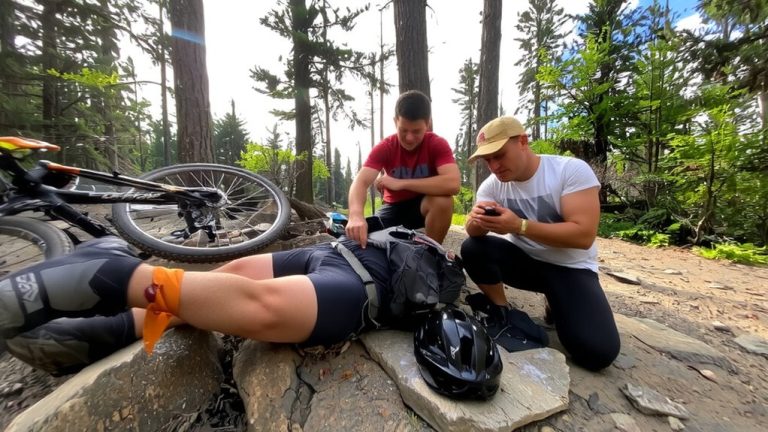
Check the scene first-use your bike, hazard lights, or flares to mark traffic risks, downed power lines, or debris. Don’t move the rider unless necessary, and if you do, keep their head, neck, and spine aligned. Tap their shoulder and shout; if unresponsive, open the airway with a head-tilt/chin-lift-unless a neck injury’s suspected, then use a jaw-thrust. Look for chest rise, listen for breath, feel with your cheek. If they’re not breathing normally, call 911 right away-or have someone else call while you start CPR. Begin with 30 chest compressions at a depth of 2 inches, then 2 rescue breaths, each lasting 1 second. Keep going at this 30:2 ratio until help arrives or the rider starts breathing on their own. A full-face helmet might need careful removal to clear the airway, so support the neck throughout. Always carry a compact first aid kit with nitrile gloves and a CPR face shield in your hydration pack or saddlebag for quick access. With the right gear and steps, you’ll be ready to respond fast and effectively, and there’s more where that came from.
We are supported by our audience. When you purchase through links on our site, we may earn an affiliate commission, at no extra cost for you. Learn more. Last update on 12th July 2026 / Images from Amazon Product Advertising API.
Notable Insights
- Check for safety first by scanning traffic, power lines, or debris before approaching the rider.
- Confirm unresponsiveness by shouting and tapping; if no response, check breathing within 10 seconds.
- Open the airway using head-tilt/chin-lift or jaw-thrust if neck injury is suspected.
- Look, listen, and feel for breathing; act immediately if breaths are absent or gasping.
- Call 911 and start CPR with 30 compressions followed by 2 rescue breaths if not breathing normally.
Check Scene Safety Immediately
Before you rush to help, take a quick second to scan the scene-your safety comes first, especially on busy roads or rugged trails where hazards like oncoming traffic, downed power lines, or sharp debris can turn a rescue attempt into another emergency. Always check scene safety before approaching. If the rider’s unresponsive person lies near traffic or fire, don’t hesitate-use your bike, hazard lights, or flares to mark the area. Never move them unless absolutely necessary, as they may have a neck or back injury. If you must shift their position, keep their head, neck, and spine aligned. A quick glance at riding gear can offer clues-cracked helmets or torn padding suggest serious injury. Signal for medical assistance immediately. Only when the area’s safe can you begin Basic Life Support, ensuring your actions help, not harm.
Confirm If the Rider Is Responsive
You’ve secured the scene, flagged danger with your bike lights or flares, and made sure it’s safe to move forward-now it’s time to find out if the rider can respond. First, shout their name and tap their shoulder; if they’re unresponsive, act fast. Check for breathing and any life-threatening injuries within 10 seconds. If the person is unresponsive, don’t wait-implied consent lets you help someone immediately. According to the American Red Cross, promptly checking responsiveness kicks off effective emergency care. You’ll need to tilt their head slightly later to open the airway, but only after confirming they’re unresponsive. Time matters: every second counts in preventing brain injury. Stay calm, trust your instincts, and use your knowledge. Whether you’re on a gravel trail or city bike path, carrying a compact first aid kit with gloves and a CPR face shield in your hydration pack or saddlebag helps you respond confidently when it counts.
Open the Airway Safely
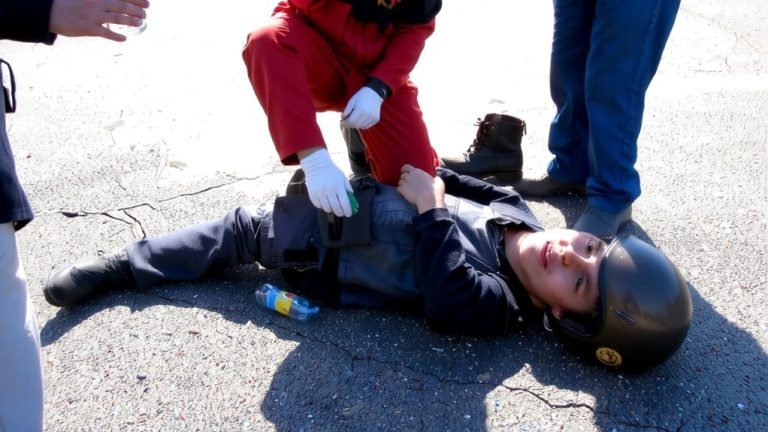
If the rider’s unresponsive and you’ve checked for breathing, it’s time to open the airway-do this by laying them flat on their back and using the head-tilt/chin-lift: place one hand on the forehead to gently tilt the head back while using two fingers under the chin to lift the jaw, mimicking the smooth pull of opening a bike’s quick-release seat clamp, which helps shift the tongue forward and clears the windpipe without overextending the neck. If you suspect a neck injury from a crash, skip the head-tilt/chin-lift to avoid worsening spinal damage. Instead, use the jaw-thrust maneuver-place fingers behind the jaw angles and lift forward-to open the airway safely. Keep the neck stable, aligned like a rigid Trek Carbon Frame, minimizing movement. This technique works well with full-face helmet removal, allowing clear access while protecting the cervical spine. Always prioritize neck safety when airway control is critical.
Look, Listen, and Feel for Breathing
| Action | What You’re Checking | Real-World Tip |
|---|---|---|
| Look | Chest rise/fall | Even subtle motion means they’re unresponsive but breathing |
| Listen | Breath sounds | Silence or gasping? Begin chest compressions |
| Feel | Airflow | Use your cheek, not your hand |
| Check | Breathing rhythm | Irregular = start rescue breathing |
| Confirm | Response | No normal breath? Begin CPR: 30 compressions, 2 breaths |
If there’s no normal breathing, start chest compressions and rescue breathing immediately.
Call 911 If Not Breathing
Once you’ve confirmed the rider isn’t breathing normally-no steady rise and fall of the chest, no clear breath sounds, and no airflow on your cheek-it’s time to act fast, because every second counts when the brain is starved of oxygen. You must call 911 immediately if the rider is not breathing; brain damage can begin in just 3 to 4 minutes. Even if you’re unsure, it’s safer to get emergency medical help rolling. If you’re not alone, have someone else call 911 while you prepare to start CPR. Emergency medical services need time to arrive, especially in remote trail areas. Cardio-Pulmonary Resuscitation (CPR) can keep oxygenated blood flowing until help arrives. Acting quickly improves survival odds dramatically. Don’t wait-call 911, confirm the rider is not breathing, and get ready to start CPR the moment you’re sure no breaths are occurring.
Begin Rescue Breathing or CPR
When the rider isn’t breathing but still has a pulse, you’ll want to start rescue breathing right away-deliver one breath every 5 to 6 seconds for adults, or about 10 to 12 breaths per minute, using a CPR face shield or pocket mask from your trail first-aid kit to reduce infection risk; for kids ages 1 to puberty, increase the rate to 1 breath every 2 to 3 seconds (20–30 breaths per minute), making sure each breath lasts around 1 second and makes the chest rise visibly, just like you’d check with a training manikin during a wilderness first-aid course. If you’re not able to hear breath or see chest movement, reposition the airway-use the jaw-thrust if spinal injury is suspected. For a baby or child with no pulse, switch to CPR: 30 compressions to 2 rescue breaths. Continue until help arrives or the rider’s in the recovery position, especially if vomiting is a concern due to medical conditions.
On a final note
You’ve got this. If a rider stops breathing, stay calm and act fast-check the scene, open the airway, and start rescue breathing or CPR if needed. Always carry a compact first-aid kit with nitrile gloves and a CPR face shield in your hydration pack. Wear a certified MIPS-equipped helmet, like the Giro Syntax, and ride with a fully stocked trail-ready backpack, such as the Osprey Duro 5.