Why You Should Avoid Giving Food or Water to an Injured Rider
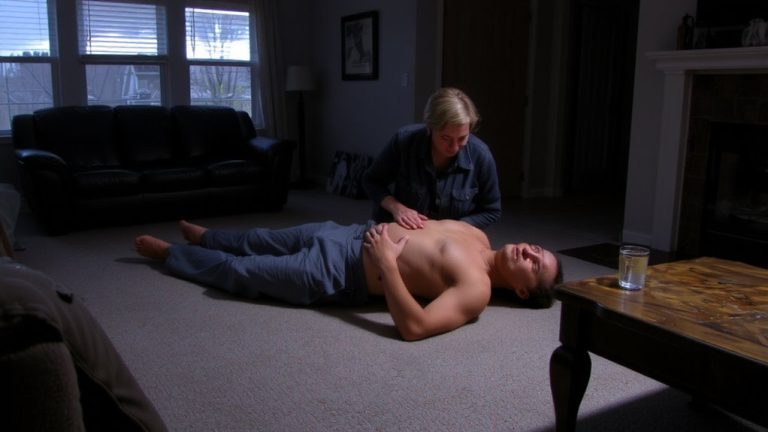
You shouldn’t give an injured rider water or food because even a sip can cause aspiration, especially if they’ve got head, neck, or internal injuries from the crash-common in 30% of cases. A weakened swallow reflex or slowed digestion increases pneumonia or choking risks, and paramedics treat every trauma patient as having a full stomach. Instead of offering fluids, keep them still, support their head, and call emergency services right away-your quick call could save their life, and there’s more to learn about protecting riders the right way.
We are supported by our audience. When you purchase through links on our site, we may earn an affiliate commission, at no extra cost for you. Learn more. Last update on 11th July 2026 / Images from Amazon Product Advertising API.
Notable Insights
- Giving water can cause aspiration, where fluid enters the lungs and leads to choking or pneumonia.
- Head or neck injuries may impair swallowing, increasing the risk of breathing in fluids.
- Internal injuries can slow digestion, making food or drink dangerous before medical evaluation.
- Vomiting from stomach contents can occur during intubation, raising complications during emergency care.
- Only paramedics can assess when hydration is safe; always wait for professional medical help.
Never Give a Crash Victim Water: Here’s Why
Why risk choking a rider when all they asked for was water? Giving an Accident Victim even a sip can trigger aspiration, where fluids slip into the lungs instead of the stomach, causing choking or worse. If they need emergency surgery, that small amount of water increases the chance of vomiting during intubation, leading to pneumonia or respiratory failure. Medical teams treat every trauma patient as having a full stomach, so no Water, not even a mouthful, is safe. Disoriented or unconscious riders lose protective reflexes, making aspiration likely. Your hydration pack’s quick-release hose or that sports bottle might seem helpful, but offering it could endanger their life. Real EMTs and trail medics confirm: delay fluids until professionals assess the rider. That 20-ounce bottle or gel-flush you rely on mid-ride? Keep it stashed. Prioritize safety over comfort-wait for medical help.
Head, Internal, and Neck Injuries That Block Safe Swallowing
You’re out on a rugged trail ride, helmet snug and hydration pack clipped at your back, but if a crash leaves your riding partner dazed, bleeding, or with a possible neck injury, that quick offer of water could turn dangerous fast. Head injuries can weaken the swallow reflex, raising the risk of aspiration-where fluid enters the lungs-potentially causing pneumonia, behind 20% of trauma respiratory issues. Internal bleeding or abdominal trauma may slow stomach emptying, leaving it full and increasing vomiting risks during surgery. Cervical spine damage can also impair airway protection, making swallowing unsafe. Up to 30% of crash victims have hidden internal injuries, and giving fluids can worsen complications or raise abdominal pressure. Even small sips can be risky. Your partner might ask for water, but delaying oral intake keeps them safer until medics arrive.
How to Help Without Giving Water: Safe First Aid Steps
A rider down means every second counts, and while offering water might seem like the quickest way to help, it can do more harm than good-especially after head, internal, or neck trauma where swallowing becomes risky. First, call emergency services immediately-India reported 1,51,417 road accident deaths in 2018, so rapid response saves lives. Keep the rider still and lying down, supporting their head and neck to prevent spinal damage; don’t remove their helmet. Use a clean cloth or sterile dressing to control bleeding, and cover them with a lightweight emergency blanket to maintain body warmth and fight shock. Remember, trauma slows digestion, making any food or drink dangerous before surgery. You shouldn’t give water-even sips-unless absolutely necessary, as aspiration pneumonia is a real risk. Your calm, informed actions until help arrives can make all the difference.
Only Paramedics Can Decide When to Hydrate a Crash Victim
Could stopping to give water really endanger a crash victim’s life? Yes. You might think offering water to an accident victim helps, but it can actually cause serious harm. Crash victims often have internal injuries or slowed digestion, making them high-risk for vomiting. If they’re given water before surgery, it could lead to aspiration pneumonia, a deadly condition where fluid enters the lungs. In 2018, this complication contributed to over 150,000 road accident deaths in India. Paramedics follow strict NPO (Nothing by Mouth) protocols to prevent this. They assess injuries, airways, and hydration needs safely. Never assume hydration is okay-only trained pros can decide. If you’re on a ride and witness a crash, call VMEDO’s helpline at 9343-180000. They’ll dispatch paramedics fast, ensuring the right care, including proper hydration, happens in time.
On a final note
You’re better off skipping water if you find an injured rider-swallowing issues from head, neck, or internal injuries can make it dangerous. Stick to calm reassurance, monitor breathing, and call 911. Only trained medics should administer fluids. While waiting, use your backpack’s emergency kit: deploy the 66-inch rescue blanket, stabilize their head with rolled clothing, and keep gloves on to prevent infection. Smart gear choices save lives-just like carrying a 100-lumen headlamp and a 650-denier reinforced repair kit.