How to Acclimatize Before Riding in Mountainous Regions
Arrive at 8,000–9,000 feet a few days early to kickstart red blood cell production and lower altitude sickness risk. Keep sleep gains under 1,600 feet per day above 9,000 feet, and always climb high, sleep low-descend 500+ feet to rest. Fuel rides with 4,500 kcal daily from energy bars, nuts, and dried fruit; drink 3–4 liters of water to offset dehydration. Watch for headache, nausea, or fatigue-early AMS signs-and act fast if symptoms progress. Smart planning means safer, stronger efforts on steep trails, with room to adapt as challenges rise.
We are supported by our audience. When you purchase through links on our site, we may earn an affiliate commission, at no extra cost for you. Learn more. Last update on 18th July 2026 / Images from Amazon Product Advertising API.
Notable Insights
- Arrive early at 8,000–9,000 feet to pre-acclimatize and boost red blood cell production before high-altitude rides.
- Limit sleeping elevation gains to ≤1,600 feet per day above 9,000 feet to reduce acute mountain sickness risk.
- Practice “climb high, sleep low” by ascending at least 500 feet during the day and sleeping lower to aid acclimatization.
- Stay hydrated with 3–4 liters of water daily and consume 4,500 kcal if needed to support increased metabolic demands.
- Recognize early AMS, HACE, or HAPE symptoms and descend immediately if severe signs like confusion or breathlessness occur.
Arrive Early at Moderate Altitude
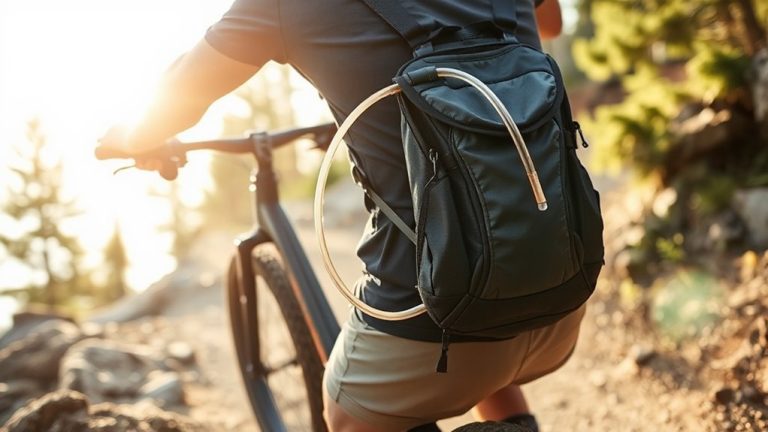
If you’re planning to ride at high elevations, arriving early at a moderate altitude of 8,000–9,000 feet-say, in a town like Aspen or even Denver-gives your body a solid head start on acclimatizing before you tackle tougher climbs. This pre-acclimatization window lets your body time to adjust by boosting red blood cell production and adapting to lower oxygen levels. Staying at this moderate altitude for at least two nights greatly reduces the risk of altitude sickness, especially if you avoid jumping straight from sea level to a high sleeping elevation. Riders who spend a few days here report fewer symptoms of altitude, like headache and fatigue, during big rides. It’s smarter to start at a lower elevation base and let your system respond gradually. Whether you’re dialing in your hydration pack, setting tire pressure on your trail bike, or adjusting your helmet fit, doing it at moderate altitude means your gear and body are ready when the trail climbs higher.
Limit Sleeping Elevation Gains Above 9,000 Feet
While pushing hard to gain elevation can feel rewarding on your bike, sleeping too high too fast above 9,000 feet puts you at real risk for acute mountain sickness (AMS)-so keep your overnight gains to 1,600 feet or less per day. Your body needs time to adjust to lower oxygen levels, and limiting sleeping elevation gains supports proper acclimatization to high altitude. Above 9,000 feet, rapid ascents disrupt physiological adaptation, increasing chances of AMS symptoms like headache, nausea, and fatigue. For every 3,300 feet climbed, add a rest night to let your system adapt. Even with prior acclimatization, surpassing 1,600 feet of sleeping elevation gain spikes risks for severe conditions like HAPE or HACE. Stick to this rule: gradual gains mean safer rides, better recovery, and stronger performance on high trails.
Climb High, Sleep Low: Do It Right
When you’re pushing into high-altitude terrain, the “climb high, sleep low” strategy isn’t just tradition-it’s a proven method to accelerate acclimatization without overloading your system. To optimize adaptation, you should ascend at least 500 vertical feet above camp during the day, then descend to sleep. This exposes your body to lower oxygen levels, stimulating red blood cell production, while still allowing recovery at a safer altitude. Aim to climb high-like reaching 4,000 meters-then sleep low at 3,600 meters to balance stress and rest. Never sleep at a new high altitude after a strenuous climb; always descend. Incorporate a rest day every third ascent to solidify adaptation.
| Altitude Gain (Day) | Max Sleep Altitude | Rest Frequency |
|---|---|---|
| +500 ft / +150 m | +300 m per night | Every 3 days |
Stay Hydrated and Fueled to Support Acclimatization
Staying hydrated and fueled isn’t just good advice-it’s essential for your body to adapt efficiently at elevation, especially when you’re logging long miles on mountain trails or pushing through high-altitude passes on your bike. At high altitude, low oxygen levels increase your metabolic rate by 10–30%, so you’ll need up to 4,500 kcal/day-pack calorie-dense foods like nuts, dried fruit, and energy bars to fuel hard efforts. Dehydration is a major risk due to dry air and elevated breathing, which cuts plasma volume and hurts oxygen delivery. Don’t rely on thirst-aim for 3–4 liters of water daily. Dehydration mimics or worsens AMS symptoms like headache and fatigue, slowing acclimatization. Skip alcohol and excess caffeine; they worsen fluid loss and disrupt sleep. Stay hydrated to maintain performance, recovery, and safe adaptation in thin air.
Spot AMS, HACE, and HAPE Early: and When to Retreat
You’ve dialed in your hydration strategy and kept your energy up with calorie-rich snacks like Clif Bars and trail mix, but even with the best-prepared kit, altitude can still throw a curveball. Watch for symptoms of acute mountain sickness (AMS), like headache, nausea, and dizziness-use the Lake Louise Scoring System to confirm, with a score of ≥3 indicating AMS. If you notice confusion or ataxia, suspect High-altitude Cerebral Edema (HACE); it’s severe and potentially fatal. Likewise, breathlessness at rest, cough, or chest tightness may signal high-altitude pulmonary edema (HAPE). Both HACE and HAPE demand immediate descent. Don’t wait-descend to a lower elevation by at least 1,000–3,000 feet. Even with oxygen or meds like dexamethasone or nifedipine, delay can be deadly. Real riders report clearer thinking and faster recovery when they act early. Know the signs, trust your gut, and ride smart.
On a final note
Arrive early and sleep no more than 1,000 feet higher per night above 9,000 feet, using the “climb high, sleep low” rule to build red blood cells. Stay hydrated-aim for 4 liters daily-and pack high-carb snacks. Spot AMS symptoms like headaches or nausea fast; descend if they worsen. Wear moisture-wicking base layers, carry a 20L hydration pack, and bring an emergency bivy. Trail shoes with Vibram soles grip rocky switchbacks reliably, while dropper posts boost downhill control. Testers report smoother acclimatization with rest days at 10,000 feet.