What to Do If You Witness a Serious MTB Crash on a Remote Trail
Stay calm and place your helmet or bike in an “X” 50+ feet uphill to flag riders, just like on Colorado’s Monarch Crest Trail. Check if they’re conscious, ask their name, and have them wiggle fingers and toes. Call 911 immediately-even with a Garmin inReach or Gaia GPS, every minute counts. Use sterile gauze or a clean microfiber cloth for bleeding, apply a tourniquet if needed, and keep them warm with an SOL thermal blanket while monitoring breathing. Real crashes demand real speed-know what comes next.
We are supported by our audience. When you purchase through links on our site, we may earn an affiliate commission, at no extra cost for you. Learn more. Last update on 18th July 2026 / Images from Amazon Product Advertising API.
Notable Insights
- Stay calm, secure the scene, and place a visible marker uphill to alert others of the incident.
- Check for immediate dangers and assess the rider’s consciousness by asking their name and the date.
- Call 911 immediately and provide GPS coordinates or detailed landmarks to pinpoint your location.
- Control bleeding with direct pressure or a tourniquet, and keep the rider warm to prevent shock.
- Monitor breathing and consciousness every five minutes; begin CPR if they become unresponsive.
Stay Calm and Secure the Scene
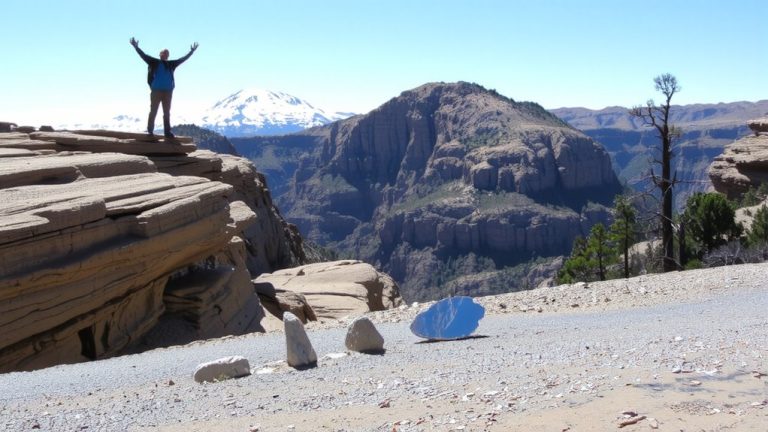
While it’s easy to panic when you come upon a mountain bike crash, staying calm helps you think clearly and act effectively under pressure. You’ve trained for tough trail conditions, so trust your instincts and *stay calm*. First, secure the scene by placing your helmet or a stick in an “X” across the trail uphill-this visibility marker warns riders from 50+ feet away. Move the injured rider only if they’re in immediate danger, like near a cliff edge or blind turn. Check for hazards: loose rock, poison ivy, or blind corners reduce safe zones. Use your hydration pack’s emergency whistle, then assign a bystander to call an *emergency contact* while you manage the area. Reliable gear, like a Fox Ranger helmet or Garmin inReach, guarantees you’re prepared. A calm response, combined with clear scene control, cuts rescue time and boosts safety for everyone on the trail.
Check for Injuries After a Mountain Bike Crash
How do you know if a crash is more serious than it looks? Start here: Ask the rider, “Do you remember your name and the date?” If they can’t, or if they say, “I think I hit my head,” check for injuries right away. Inspect their helmet-look for cracks or dents, and replace it before next use, even if damage seems minor. Have them wiggle fingers and toes to test nerve function, then check for swelling, deformity, or pain in limbs. If they can’t stand, suspect a broken hip; limited arm movement may mean a collarbone fracture. Watch for road rash-it can mean energy dispersed, reducing internal injury risk. But minimal scrapes? Could mean concentrated impact, higher fracture chance. Scan for bleeding. Use sterile gauze and direct pressure for first aid. Apply a tourniquet only if bleeding’s heavy and won’t stop.
Call 911 and Report Your Location Immediately
You’ve checked for injuries, asked about memory and head trauma, and looked over their helmet for cracks or dents-now it’s time to get help on the way. Call 911 immediately, even if the injury seems minor; prompt reporting guarantees park rangers and emergency teams are alerted without delay. While speaking to dispatch, provide exact GPS coordinates from your trail app or device-many riders rely on Garmin inReach or Gaia GPS, which log precise locations every 30 seconds. If you can’t get coordinates, describe nearby landmarks like trail signs, creek crossings, or ridge lines, such as “near mile marker 4 on Pinnacle Trail.” Don’t wait until you’re back in cell service-many rescues are delayed because riders delay calling 911. Share your status and location with emergency contacts too, so they can assist responders. Immediate reporting keeps everyone safer, especially in remote zones where every minute counts.
Control Bleeding and Monitor Vital Signs
If the rider’s bleeding won’t slow with basic pressure, act fast-pull out a clean microfiber cloth or your trail-ready first aid kit’s sterile gauze pad and press down hard directly on the wound, holding firm until the flow eases. To control bleeding from a major vessel, apply a tourniquet 2–3 inches above the injury and note the time. Keep the rider warm with a SOL thermal blanket to prevent shock. You must monitor critical signs every 5 minutes. Check breathing for 10 seconds; if absent, start CPR at 100 compressions per minute. Experienced riders carry compact trauma supplies and know these steps cold.
| Sign | Normal | Warning |
|---|---|---|
| Breathing | 12–20/min | <10 or gasping |
| Consciousness (AVPU) | Alert | Voice/Pain/Unresponsive |
Don’t Delay Notification: Here’s Why
Even when you’re prepared with a well-stocked trail kit, including a SOL thermal blanket, tourniquet, and gauze pads, failing to call 911 after a crash can undermine your response-rangers stress that immediate notification is critical, even if the injury seems minor, because park staff may not patrol the area until morning, leaving riders exposed to worsening conditions, like hypothermia or shock, especially if the trail closes after hours, as happened on the Pinnacle trail when a discarded bike sat unreported overnight, triggering safety concerns when staff found vehicles still parked at dawn. Make sure you call 911 right away, no matter how small the crash seems. Required fields are marked on incident reports, but real-time data saves lives. Let them know location, injuries, and trail status-don’t wait. A quick call means rangers respond faster, reducing risk and closing safety gaps before dawn.
On a final note
Stay sharp out there-carry a lightweight first-aid kit (10 oz, waterproof), pack a Garmin inReach Mini 2 for GPS signaling, and wear MIPS-equipped helmets like the Bell Four-Stroke. Ride trails within your skill level, always wear gloves with padding, and stash a 2L hydration reservoir in your 12L backpack. Testers report quicker response times when location sharing starts immediately-every minute counts. You’ve got the gear, now use it fast.