Why Trail Ratings Can Be Misleading in International Mountain Bike Parks
You’re riding a blue trail in the Alps only to hit slickrock slabs and root drops, while that same blue in Moab means 15% grades and 24-inch rollable features. Trail ratings vary because local land managers-not IMBA or trail builders-set them, often ignoring standardized specs. Europe uses over 20 systems; New Zealand uses 1–6. Wet roots, loose rock, or erosion make even green trails sketchy. Ratings rarely reflect real-time conditions, so check trail cams, pack a repair kit, and trust your eyes more than the sign-there’s more to know before you roll out.
We are supported by our audience. When you purchase through links on our site, we may earn an affiliate commission, at no extra cost for you. Learn more. Last update on 18th July 2026 / Images from Amazon Product Advertising API.
Notable Insights
- Trail ratings vary widely between countries due to over 20 different systems in Europe alone.
- A blue trail in Europe may match a black diamond in North America due to rugged terrain.
- Land managers, not standardized bodies, assign ratings, leading to local inconsistencies.
- IMBA standards used in North America are not adopted globally, causing confusion.
- Weather and erosion drastically change trail difficulty, but ratings rarely reflect current conditions.
What Color Is This Trail, Really?
How can you trust a trail’s color when the same rating means something totally different just a few states over-or even on the other side of the world? Trail difficulty ratings vary wildly because of inconsistent application across regions, even within the same country. A black diamond in Moab, loaded with steep slickrock and 30-inch technical features, demands far greater skill level than a Midwest black diamond with mild terrain. Europe juggles over 20 different trail rating systems, while New Zealand’s 1–6 scale often misaligns by region. The IMBA Trail Difficulty Rating offers clarity-blue trails limit technical features to 24 inches-but many land managers ignore specs, opting for local consensus. Without detailed trail signage or standardized trail ratings, you’re left guessing. Always assess mountain bike trail difficulty firsthand, check for technical difficulty markers, and rely on local knowledge, not just color, to match trails to your ability.
Why Blue in Europe Isn’t the Same as Blue in North America
You’ve seen how trail colors can deceive when regional standards don’t align, and that confusion only deepens when crossing continents-nowhere more so than with blue-rated trails in Europe versus North America. In Europe, a blue square often signals rugged technical trails with rock slabs, roots, and steep drops-routes that would be black diamond under the IMBA grading system. North America’s blue square, meanwhile, means intermediate mountain bike trails with technical features under 24 inches and grades around 15%. With at least 20 different trail ratings across Europe, the difficulty varies wildly, while IMBA’s standards bring consistency. So when riding abroad, don’t trust the color-check local trail specs. Your dropper post and 2.4-inch tires may be ready, but European blue trails often demand the same control as North American black diamonds. Always scout technical features first, and ride conservatively until you gauge the real difficulty.
Who Actually Decides a Trail’s Difficulty Rating?
Who really calls the shots when it comes to slapping a diamond or circle on a trailhead sign? You might assume it’s the trail builders or even organizations like the International Mountain Bicycling Association, but the final say usually rests with land managers. Even if IMBA Trail Solutions designs trails to precise standards, they don’t assign the official Rating-land managers do. In the U.S., agencies like the BLM or Forest Service can opt out entirely, leaving trails unmarked, as seen in Colorado’s Tres Rios District. Some places, like Grand Junction, use Trail Management Objectives to guide consistent ratings, but most lack the staff. Meanwhile, Europe’s 20+ competing systems mean local authorities set their own rules, making mountain biking navigation tricky. Ultimately, trail difficulty ratings depend on local decisions, not universal systems, so always assess trails cautiously, regardless of the sign.
Why There’s No Global Mountain Bike Rating System?
Trail difficulty ratings vary so widely that a black diamond in one country might feel like a green circle in another, and that’s because no universal system exists to keep them in check. You’ll find at least 20 different trail rating systems across Europe alone, and the International Mountain Bicycling Association (IMBA) trail system-used in the U.S. and Canada since 2008-doesn’t translate globally. While IMBA classifies trails by technical features, grade, and tread width, other nations use incompatible scales, like New Zealand’s 1–6 number system. Ratings are assigned by local land managers, not global authorities, leading to inconsistencies even within single countries. A black diamond in the flat Midwest could be far less demanding than one in Moab or Whistler. Unlike skiing, mountain biking lacks a unified international symbol set, so you can’t assume ratings mean the same thing abroad.
When Trail Conditions Make Ratings Misleading
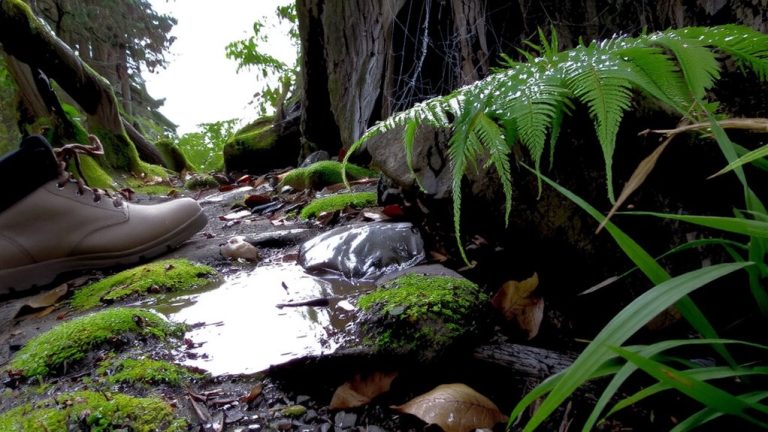
When rain turns packed dirt into slick mud or drought loosens once-stable rock, even a well-rated trail can surprise you. That blue-square MTB trail might feel like a black trail after heavy rain, especially in wet regions like the Pacific Northwest or Rotorua, where volcanic soil erodes fast. Riders might not expect a green circle to challenge their bike’s grip, but summer droughts create loose rock, turning easy paths into technical trails. In Moab, red rock trails rated intermediate become slippery and sketchy when wet, while a new trail in a north shore–style bike park could test even advanced trail riders after storms. A trail’s rating rarely updates for these shifts-so your 2.4-inch wide tires, dropper post, and aggressive tread matter more than the sign suggests. Always read the terrain, not just the rating, because conditions can push any trail beyond its class.
How to Judge a Trail When Ratings Can’t Be Trusted
How do you know if that black diamond is truly gnarly or just locally tough? Trail ratings like the IMBA system’s green circle or double black diamond can mislead, especially on an International Trail where Great Britain’s flow trails differ wildly from British Columbia’s rock gardens. Since mountain bikers in various riding areas face inconsistent standards-and some bike parks don’t rate trails at all-you’ve got to trust your eyes and experience. Look for trailhead signs, tread width, and technical features: roots, drops, or loose rock. Talk to local riders or check recent trail reports. Bring full-face helmets and body armor for potentially difficult a trail. Suspension set at 150mm travel helps, but judgment beats gear. Always scout blind drops. Ratings change with erosion and weather, so stay alert. Your safety depends on observation, not just symbols.
On a final note
You can’t always trust trail colors, so ride smart: check trailhead signs, talk to locals, and assess conditions daily. Bring a repair kit with a multi-tool, two CO2 cartridges (16g), and a spare tube. Wear a well-vented helmet like the Giro Syntax, use gloves with padding, and carry a 12L hydration pack with 3L reservoir. Ride within your skill level, not the rating-loose rock, mud, or roots change everything, especially in alpine zones above 2,000 meters.