How to Use Dew Point to Predict Morning Trail Wetness
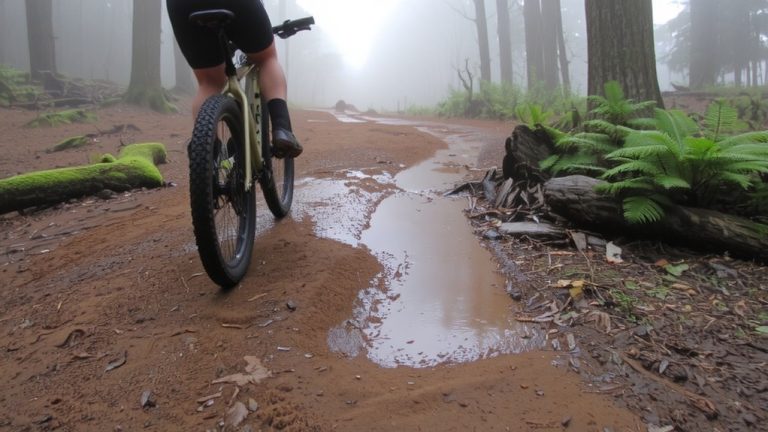
Check the evening dew point and forecasted low-if they’re within 2°F, expect dew on trails by dawn, especially on grassy or shaded singletrack. Clear skies and light winds (<5 mph) boost cooling, saturating air near moist soil, which raises local humidity and dew formation. Shaded paths stay wetter longer due to evapotranspiration and limited airflow. For grippy morning hikes or bike rides, trail runners like the Salomon X Ultra 4 or mountain bikes with knobby 2.4-inch tires handle damp conditions best-knowing dew patterns sharpens your gear picks and timing.
We are supported by our audience. When you purchase through links on our site, we may earn an affiliate commission, at no extra cost for you. Learn more. Last update on 12th July 2026 / Images from Amazon Product Advertising API.
Notable Insights
- Dew forms on trails when overnight temperatures drop within 2°F of the dew point, indicating saturated air and likely surface condensation.
- A dew point depression of 5°F or less by 10 p.m. signals near-certain dew formation on trail surfaces by dawn.
- High dew points (above 55°F) combined with high humidity increase condensation likelihood on grassy and shaded trails.
- Clear skies and light winds (<5 mph) enhance radiative cooling, promoting faster dew formation on exposed and moist trail sections.
- Recent rain raises soil moisture, increasing local dew point and extending morning trail dampness for multiple consecutive days.
Understand Dew Point for Safer Morning Hikes
When the sky clears overnight and the air turns still, you’ll want to pay close attention to the dew point, because that number tells you whether your morning trail will be slick with dew or safe to hike. If the dew point is above 55°F and humidity stays high, condensation will likely coat grassy, open trails by dawn-especially after rain. Vegetation boosts local moisture through evapotranspiration, raising the dew point near soil and leaves. Paved or shaded paths often stay drier. When surface temperature drops to match the dew point, water condenses fast, creating slippery conditions. Testers report Merrell Trail Gloves and Salomon Speedcross shoes lose grip on dew-heavy trails, while bike tires with semi-slick treads, like Schwalbe Racing Ralphs, handle damp better. Frost can even form if the temperature dips below freezing at ground level. Knowing the dew point helps you pick the right footwear, pack a microfiber wipe for lenses, and avoid soggy gear.
Predict Dew When Temperature Meets Dew Point
Since surface temperature has to match the dew point for dew to form, you’ll want to check the forecasted low and compare it to the evening’s dew point-ideally, they’re within 2°F of each other, especially under clear skies where radiative cooling drops ground temps fast. When the air is cooled to the dew point overnight, moisture in the form of liquid droplets condenses on grass, leaves, and trail surfaces. This happens most when light winds, around 1–3 mph, let moist air settle near the ground. Trails over moist soil, especially after rain, boost local humidity, making it easier for temperature meets dew point. You’ll notice more dampness on shaded singletrack or dew-heavy meadows by dawn. Knowing this helps you choose water-resistant hiking shoes, like Salomon X Ultra 4 GTX, or pack a dry bag for your down jacket. No fog or mist needed-just calm air, clear skies, and moisture in the form of dew settling fast when temperature meets dew point.
Use Forecasts to Match Dew Point and Air Temp
You already know that dew forms when surface temps meet the dew point, but using forecasts wisely is how you stay one step ahead of soggy trails. Check the evening forecast: if air temperature drops within 2°F of the dew point, expect moisture on grass and soil surfaces by dawn. When dew point depression is 5°F or less by 10 p.m., dew’s almost guaranteed. Clear skies and light winds (<5 mph) boost radiational cooling, helping trail surfaces cool faster than the air-often reaching dew point first. High relative humidity means more moisture available, especially if recent rain dampened the ground, raising local dew point through evapotranspiration. For trail runners and mountain bikers, pack water-resistant trail shoes or gravel tires with extra tread-dew-cooled surfaces can be slick even if the air feels dry. Smart layering with quick-dry base layers keeps you comfortable when humidity hovers near 90%.
Why Shaded Trails Stay Wetter Overnight
Even though the sun’s up, shaded trails often stay damp well into the morning because they get less direct sunlight, which means slower drying and cooler surface temperatures that keep relative humidity high near the ground. You’ll notice this when your trail shoes, like the Salomon X Ultra 4, stay wetter longer-thanks to persistent moisture. Trees and plants along these paths raise local dew points through evapotranspiration, adding moisture that causes condensation even if the air seems dry. With less wind in these zones, damp air lingers instead of mixing with drier air above. After rain, shaded trails cool slowly and hold moisture, keeping dew point depression under 5°F-ideal for condensation. A high dew point near the surface means damp trails well past sunrise, so quick-dry hiking pants and gaiters aren’t just handy, they’re essential. These conditions make early trail runs or hikes feel soggy, no matter the forecast.
How Wet Soil Increases Morning Trail Dew
When the soil’s already soaked from recent rain, it’s not just the puddles you’ve got to watch-wet ground fuels higher dew levels overnight by boosting evapotranspiration, which can push the local dew point up 5–10°F compared to dry trails, meaning your Hoka Anacapa boots are facing heavier moisture before sunrise. Moist soil releases more water vapor, increasing near-surface humidity and helping the air reach saturation faster. When the air is saturated, DEW forms once the temperature matches the dew point. Soggy ground also retains heat better, enhancing radiational cooling and dropping the surface temperature just enough to trigger dew. You’ll see 30–50% more dew on trails with soil moisture over 20%. If skies stay clear and winds under 5 mph, expect heavy morning dew for 3–4 nights straight. Wet soil means dew settles up to an hour earlier, so your Salomon rain cover and backpack’s bottom will feel the damp.
Plan Your Hike Using Dew Point Forecasts
What if you could predict soggy trail conditions before lacing up your Altra Lone Peak or clipping into your Shimano mountain pedals? You can-by checking the dew point. If it’s above 60°F, there’s much moisture in the air, and trails will likely be wet by dawn. When the dew point is within 5°F of the overnight low, expect saturated ground. Clear skies and light winds (<5 mph) help cool the air just enough for dew to form, especially on grass and dirt. Trails in valleys collect cold air, which sinks and cool the air faster, hitting the dew point sooner. Even if the dew point is moderate (50–55°F), damp soil from recent rain boosts humidity near the ground. Plan accordingly: pack waterproof trail runners, bring gaiters, and choose higher-elevation routes where cold air drainage is less intense.
Use Live Dew Data to Avoid Slippery Trails
Because trail surface temperatures often dip to the dew point just before sunrise, you’re more likely to hit slick roots and muddy patches if the air’s nearly saturated overnight. When the air becomes saturated, moisture condenses as liquid water on cool surfaces, especially under clear skies and light winds below 5 mph. Dense vegetation traps humidity, raising the local dew point, while recent rain leaves soil saturated, triggering heavy dew even with just a 2–3°F dew point depression. Air near the ground cools quickly, often hitting 55°F (13°C) or lower, making trails slippery. Use live dew data from portable sensors like Kestrel or SensorPush to check real-time dew point trends the evening before. If the forecast shows surface temps reaching dew point, expect wet footing. Next time, pack microspikes, wear trail runners with aggressive lugs, and adjust your start time-you’ll stay upright and enjoy safer, drier miles.
On a final note
You’ll stay drier and safer by checking the dew point before dawn, especially when it’s within 5°F of the air temperature, a sure sign of wet trails. Shaded paths and damp soil boost moisture, so wear breathable hiking shoes like Merrell Moab 3s, which shed water fast, and pack a lightweight, quick-dry backpack such as the Osprey Talon 22. Use live dew data to choose AM routes with lower humidity, improving traction and comfort.