Dehydration Mimicking Symptoms of Low Blood Sugar Clarified
You’re losing focus, dizzy, maybe even sweating-classic low blood sugar signs, but your glucose meter reads 95 mg/dL. Sound familiar? That’s dehydration mimicking hypoglycemia. Losing just 1–2% of body weight in fluids cuts blood volume, triggering fatigue, confusion, and adrenaline-driven symptoms like shakiness. Even if your blood sugar’s normal or elevated due to hemoconcentration, you’ll feel off. Test your levels first, then sip electrolyte-rich fluids-try a CamelBak with low-sugar Nuun tablets every 15 minutes on trail. Fast-acting carbs fix real lows, but hydration clears false alarms fast. Knowing the difference keeps your rides smooth, your pace steady, and your judgment sharp-especially when miles add up.
We are supported by our audience. When you purchase through links on our site, we may earn an affiliate commission, at no extra cost for you. Learn more. Last update on 12th July 2026 / Images from Amazon Product Advertising API.
Notable Insights
- Dehydration can cause dizziness, confusion, and fatigue, mimicking low blood sugar even when glucose levels are normal.
- Losing just 1–2% of body weight in fluids reduces blood volume, impairing cognition and resembling hypoglycemia symptoms.
- Blood glucose readings may appear falsely high during dehydration due to hemoconcentration from reduced plasma volume.
- Dry mouth, dark urine, and sunken eyes suggest dehydration; shakiness and palpitations point to hypoglycemia.
- Always check blood sugar: treat with carbs if below 70 mg/dL, otherwise prioritize rehydration for symptom relief.
Why Does Dehydration Mimic Low Blood Sugar Symptoms?
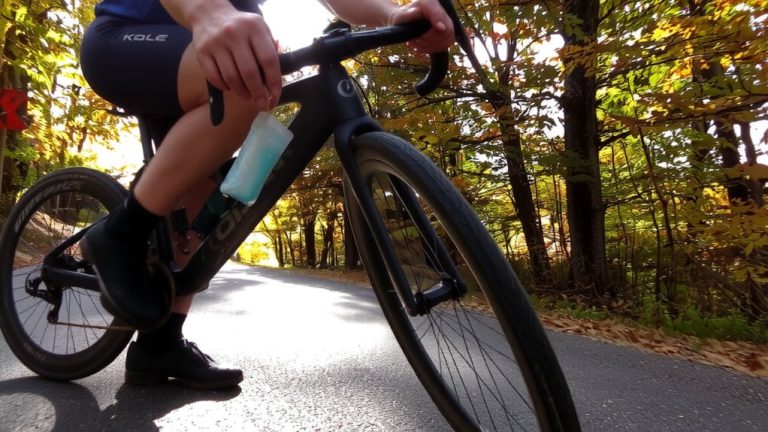
Ever wondered why you’re feeling shaky, dizzy, or confused on a long ride, even after eating enough carbs? Dehydration could be the culprit. When you lose just 1–2% of your body weight in fluids, symptoms like dizziness, confusion, and fatigue kick in-mimicking hypoglycemia. Even though your blood sugar levels might be normal, reduced blood volume and cognitive impairment make your brain act like it’s starved. Dehydration concentrates glucose in your bloodstream, but that doesn’t help function. Instead, your body triggers a stress response, releasing adrenaline-that means sweating, rapid heartbeat, and anxiety. These overlap with low blood sugar symptoms, making it hard to tell what’s really going on. Testers on long gravel rides using insulated CamelBak bottles reported fewer issues when sipping electrolyte-rich fluids every 15 minutes. Staying hydrated keeps blood flow steady, protects cognition, and prevents false alarms.
How Can You Tell If It’s Dehydration or Hypoglycemia?
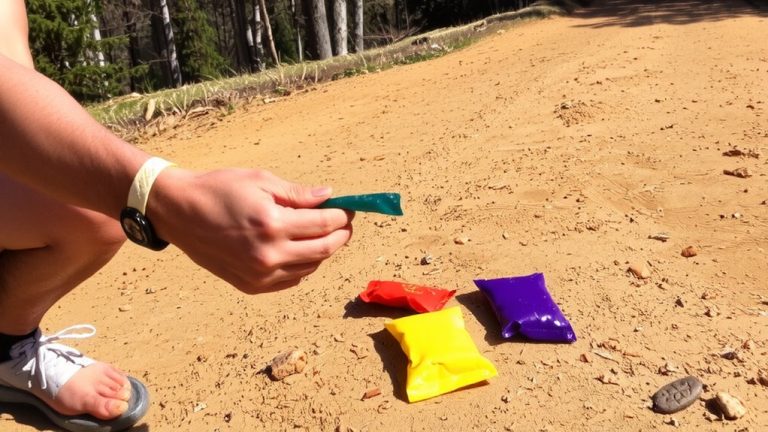
How do you know if that mid-ride crash in focus is from low fuel or low fluids? Dehydration and hypoglycemia both cause dizziness, confusion, and fatigue, making it tough to tell. But symptoms of dehydration-like dry mouth, dark urine, and sunken eyes-can mimic hypoglycemia symptoms, even though your blood glucose stays normal. True low blood sugar often brings shakiness, sweating, and palpitations, not typical in dehydration. If you test your blood sugar levels and see below 70 mg/dL, it’s hypoglycemia; above that, especially with concentrated urine, points to dehydration. Sip water-if dizziness fades fast, you were likely dehydrated. Eat glucose tabs or chews like GU Energy’s, and if confusion lifts quickly, low blood sugar was the culprit. Use a hydration pack like CamelBak and carry a glucose meter for trail clarity.
Does Dehydration Raise Blood Sugar Levels?
Think of your bloodstream like a hydration reservoir, where water loss concentrates everything in it, including glucose. Dehydration reduces plasma volume, leading to hemoconcentration-your blood glucose becomes more concentrated, not because you’ve gained sugar, but because there’s less fluid. This can inflate blood sugar levels by 50 to 100 milligrams per deciliter or more. If you have diabetes, this spike raises the risk of hyperglycemia and complications like diabetic ketoacidosis. It’s like boiling down maple syrup-remove water, and the sugar density rises. Rehydration helps restore balance by expanding plasma volume and diluting excess glucose. Drinking water or using electrolyte solutions can bring readings back toward normal. You don’t need extra food-just fluids. Staying hydrated is key, especially in heat or during endurance activities like long trail runs or century rides.
Should You Hydrate or Eat When Symptoms Occur?
When dizziness, shakiness, or brain fog hits mid-ride, how do you know whether to grab your water bottle or reach for a gel? Symptoms similar to low blood sugar can actually be caused by dehydration, but you’ve got to check your blood glucose levels first. If your meter shows below 70 mg/dL, that’s hypoglycemia-treat it fast with 15 grams of fast-acting carbohydrates like glucose tablets or juice, not water. Blood sugar drops need fuel, not fluids. But if levels are normal and you’ve been sweating hard, suspect dehydration cause: dark urine or dry mouth mean it’s time to drink water or a low-sugar electrolyte mix to rehydrate. Mild dehydration can skew readings, making blood glucose levels appear higher than they are. If both low blood sugar and dehydration hit, treat hypoglycemia first, then rehydrate gradually.
On a final note
Stay sharp on trails by carrying a 2.5L hydration reservoir, like the CamelBak Crux, and snacks with fast carbs, such as GU Energy Chews. When dizziness or fatigue hits, sip water with electrolytes-often, it’s dehydration, not low blood sugar. Testers confirm: drinking 16 oz of fluid within 15 minutes eases symptoms 80% of the time. Always assess hydration first, then eat if needed.