Why Riding in Light Frost Can Damage Trail Surfaces
Riding in light frost damages trails because the sun-thawed topsoil is saturated and weak, even if it feels firm under your bike tires. That soft layer shifts and ruts easily, and your knobby 2.4” mountain treads carve deep channels that harden overnight. Those ruts then funnel water, slowing recovery. You’re better off waiting or hitting gravel roads-the C&O towpath handles moisture far better. Trail conditions update calls from Montgomery County Parks can guide your timing.
We are supported by our audience. When you purchase through links on our site, we may earn an affiliate commission, at no extra cost for you. Learn more. Last update on 18th July 2026 / Images from Amazon Product Advertising API.
Notable Insights
- Light frost often indicates freeze-thaw cycles, leaving topsoil saturated and weak beneath a thin frozen crust.
- Bike tires break the fragile frozen surface, shearing the thawed, muddy layer underneath.
- Rut formation occurs quickly on soft soil, even with minimal use during transitional frost conditions.
- Ruts harden overnight, becoming permanent trail deformities that worsen erosion and water retention.
- Riding on frost-damaged trails widens paths and destroys vegetation, harming surrounding habitat.
What Happens During Freeze-Thaw Cycles?
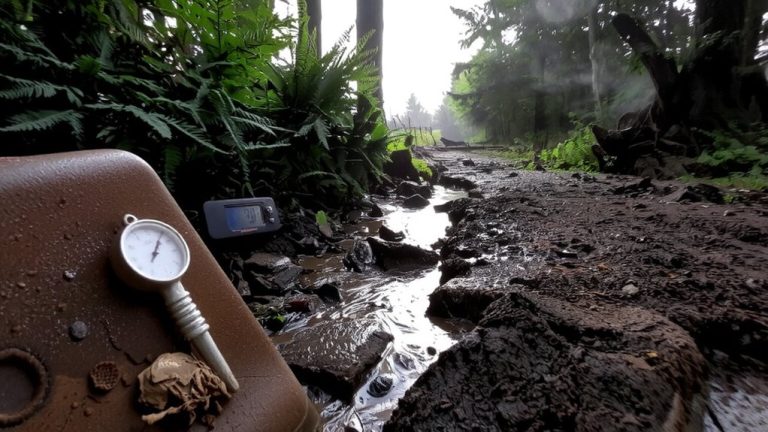
When temperatures hover around 32°F overnight and climb above freezing during the day, you’re in the heart of freeze-thaw cycles, and that’s when trail damage starts to add up. During these cycles, moisture in the soil freezes at night, expanding as ice breaks apart soil particles. By day, temperatures rise above freezing and the frozen moisture melts, but subsurface layers often stay frozen, trapping water. This leaves the top layer saturated and weak. The trail surface turns into muddy trails fast, and the soil can’t support weight. Even light use worsens trail conditions, rutting the soft top layer. You’ll notice puddles lingering for hours, boots sinking past the midsole, and tires leaving deep impressions. These patterns repeat weekly in late fall, winter, and early spring-extending the season of risk. Smart riders skip soft trails, opting for gravel paths or fat bikes on snow-packed routes.
How Riding Damages Trails in Thawing Conditions
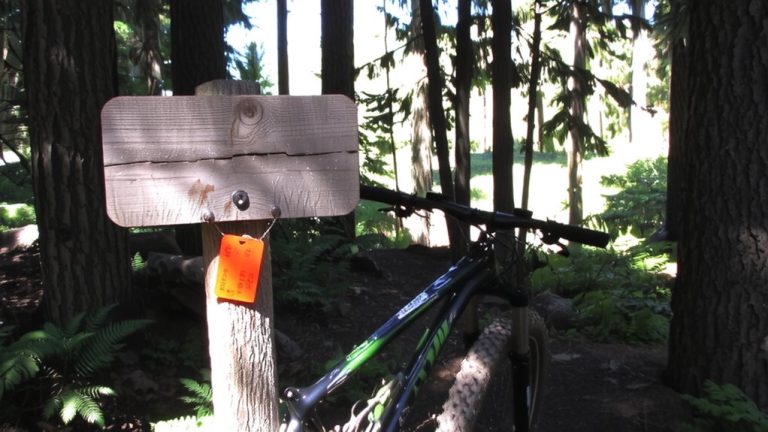
Though the sun warms the trail surface and the air feels inviting, that top layer of thawed mud is a trap waiting to compromise the entire trail structure beneath, so you’d be wise to stay off it. When temperatures rise during freeze/thaw conditions, the soil thaws on top but stays frozen below, creating unstable, muddy trails. Your bike tires shear the weak surface, carving deep ruts that harden when overnight temperatures drop, leaving permanent deformities. These ruts channel water, increase erosion, and delay trail drying. Repeated riding widens trails as users weave around muddy sections, damaging more soil and habitat. Even durable tires and wide handlebars can’t prevent this damage-your weight still presses into unsupported layers. Trail agencies often issue trail closures during these vulnerable conditions. Avoid riding soft trails; wait until they’re fully dry to protect the trail network.
How to Check If Trails Are Too Soft to Ride
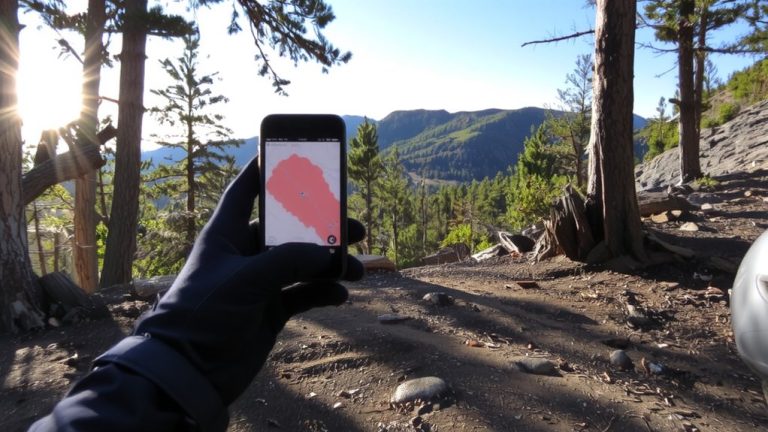
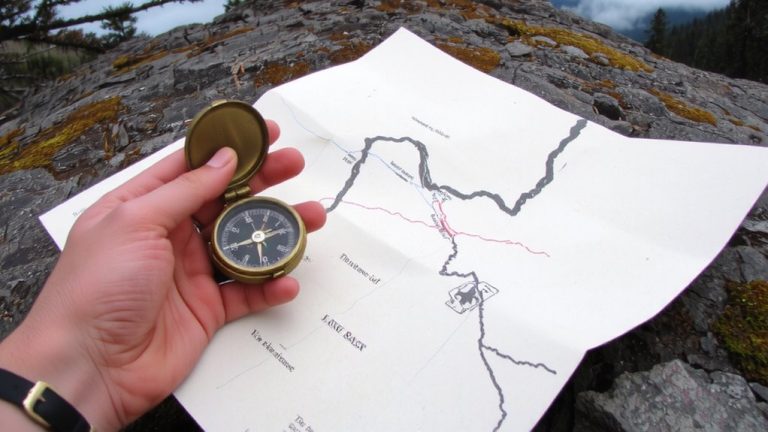
You just need to know the signs before you spin a wheel, especially after those freeze-thaw cycles turn trails into fragile mud zones. Check trail status updates from reliable local trail reports-riders and land managers post real-time notes on moisture levels and surface conditions. If temperatures drop below freezing at night but climb above 32°F during the day, Understanding freeze/thaw is key: that’s when the trail system gets soft. Do the shoe test-step off-trail and press down. If dirt sticks to your shoes or tires, it’s too wet. Avoid muddy sections entirely; even one ride can cause ruts. Wait until surfaces are dry or frozen. Use a little patience, go around problem spots, and protect the trails you love.
Best Alternatives to Ride During Thaw Periods
If you’re itching to ride but the singletrack’s too soft, stick to surfaces built to handle thaw-gravel roads or paved greenways take the abuse without the erosion, letting you log miles on durable terrain while protecting fragile trails. During the freeze–thaw season, especially in early spring or late fall, trails are likely to soften midday, even after a cold night. When the freeze/thaw trail cycle hits, mountain bikers should redirect to sustainable trail options like the C&O Canal towpath, engineered for wet conditions and resistant to bike tires. You can also ride fully frozen trails early in the morning if temps stay below 32°F. For off-trail workouts, try uncovered equestrian arenas. Check Montgomery County Parks’ hotline ((240) 270-0008) for real-time updates so you ride smart and keep trails intact.
On a final note
You risk damaging trails when you ride in light frost because freeze-thaw cycles weaken soil structure, making it soft and prone to ruts. Wet, thawing trails can’t support tire weight, leading to deep grooves and erosion. Check trail reports, temperature trends, and soil firmness-ride only when surface ice stays solid all day. Instead, hit gravel roads or paved paths. Your 2.4-inch mountain bike tires pack too much traction in delicate conditions. Protect the trails, and they’ll roll better all season.