How to Signal for Help Using Natural Landmarks and Terrain
Use high ground like ridgelines or hilltops to boost visibility up to 10 miles, placing signals where smoke or symbols stand against open sky. Build giant SOS or X symbols with rocks or logs-each segment 10 feet long, 3 feet wide-for clear recognition. Flash a signal mirror in three bursts, aiming with a sighting hole when the sun’s at your back. Arrange three fires in a 100-foot triangle, adding greenery for white smoke by day, dry fuel for bright flames at night-there’s more where that came from.
We are supported by our audience. When you purchase through links on our site, we may earn an affiliate commission, at no extra cost for you. Learn more. Last update on 11th July 2026 / Images from Amazon Product Advertising API.
Notable Insights
- Position signal fires or reflective devices on ridgelines for maximum visibility up to 10 miles.
- Create large ground symbols like “SOS” using rocks or cleared snow in open, high-contrast areas.
- Use a signal mirror to flash three bursts of light toward aircraft, aiming with the sun at your back.
- Build three fires in a triangle, spaced 100 feet apart, to form a universal distress signal.
- Form giant arrows or repeated symbols at least 10 feet long and 3 feet wide to guide rescuers.
Position Signals on High Ground for Maximum Visibility
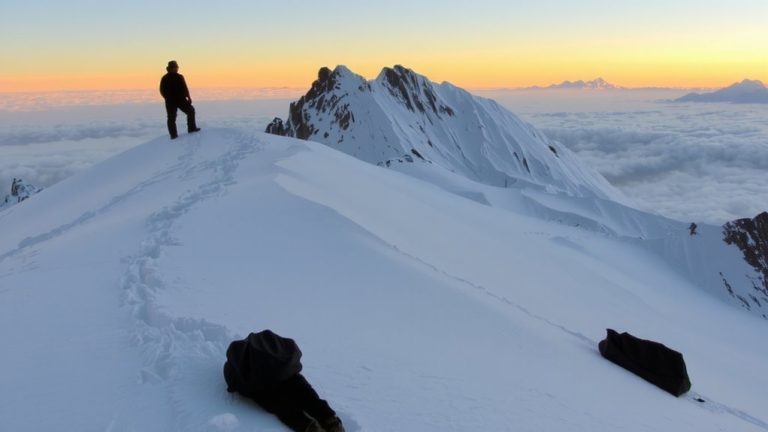
When you’re trying to get seen by a rescue plane, placing your signals on high ground makes all the difference, so head for the ridgeline or hilltop if you can. Elevated spots like ridgelines boost visibility, giving search and rescue teams a clear line of sight from up to 10 miles away. Set up three fires in a triangle, spaced about 100 feet apart, on open ground where smoke signals rise against the skyline. Use a signal mirror with the sun at your back to flash beams up to 10 miles. Ground symbols like an SOS or X should be at least 18 feet per segment, placed where terrain contrast helps them stand out. High ground maximizes detection, especially when combining smoke signals, ground symbols, and reflective tools in one visible triangle pattern.
Make Giant Ground Symbols in Open Areas to Signal for Help
If you’re trying to get the attention of a search plane, making giant ground signals in open areas is one of the most effective moves you can make, and doing it right means every detail counts. Make large, high-contrast signs using rocks, logs, or cleared snow-each line should be at least 10 feet long and 3 feet wide. Use natural materials to create an “X” or “SOS”; rocks along the X will make it stand out sharply. Three repeated elements-like three arrows or three piles-signal emergency help. Choose open locations like beaches or snowfields where terrain won’t block visibility.
| Symbol Type | Size (ft) | Spacing (ft) |
|---|---|---|
| SOS | 10 x 3 | N/A |
| X | 10 x 3 | N/A |
| Triangle | 100 | 100 |
| Arrows | 10 x 3 | 50 apart |
| Fires | 3 piles | 100 apart |
Three flashes or signs boost recognition-X will make your emergency unmistakable.
Flash a Signal Mirror in Threes to Reach Search Aircraft
Even though open terrain gives you the best shot, flashing a signal mirror in threes can bridge the distance when a search aircraft is just beyond sight, and doing it right means using the sun as your amplifier. Use your signal mirror to reflect sunlight directly at the target, aiming with the sighting hole or cross-shaped scratch to align the bright spot. Flash three quick bursts-three flashes in threes-then pause, repeating to create an international distress signal. This pattern stands out against random glints and helps pilots spot you. Three flashes travel up to 10 miles (16 km) in clear conditions, making them ideal for catching a search aircraft’s eye. Stay steady by kneeling or using high ground, especially at dawn or dusk. If you lack a mirror, try polished surfaces like glass shards or metal debris-they can reflect sunlight effectively when angled right. Keep working that light, because those flashes in threes are your best shot to attract attention.
Build Three Fires in a Triangle to Show You Need Rescue
You’ve already used your signal mirror to flash for help, but now it’s time to set up a ground signal that works around the clock-three fires in a triangle. This formation is a universal distress signal, unmistakable when fires arranged in a three-point pattern are spotted from above. Build three fires on open ground, like a ridge or clearing, spacing them about 100 feet apart. At night, use dry tinder and logs for bright flames; by day, add green vegetation to create thick white smoke. Build your fire small but steady, keeping all three burning in unison-this coordination signals distress, not campfires. Search teams train to recognize this layout, so keep the flames consistent as you wait for rescue. These distress signals are reliable, long-lasting, and globally understood. Three fires in a triangle could be the difference between being seen or overlooked. Stay visible, stay ready, and wait for rescue.
On a final note
Stay visible and safe by using high ground for signals, like large rock arrows or bright gear laid out in open areas. Flash your signal mirror in sets of three-testers confirm it’s visible up to 10 miles away. Build three smoky fires in a triangle, spaced 100 feet apart. Carry a whistle, LED strobe, and topo map, and always mark your location clearly, even in daylight.