What to Do If You See a Wounded Animal on the Trail
Stay at least 50 feet away and use your binoculars or phone zoom to check the animal’s condition without causing stress. Injured wildlife can bite or transmit diseases like rabies, even if they seem calm. Call the New England Wildlife Center at 781-682-4878 right away with the species, location, and injuries. Don’t approach, contain, or feed it-only pros should handle transport. Keep kids and pets back, stay quiet, and avoid flash photos. Your calm actions boost the animal’s survival odds, and knowing the next steps makes all the difference.
We are supported by our audience. When you purchase through links on our site, we may earn an affiliate commission, at no extra cost for you. Learn more. Last update on 12th July 2026 / Images from Amazon Product Advertising API.
Notable Insights
- Observe the animal from at least 50 feet away for 30 minutes to confirm injury before acting.
- Never approach or touch an injured wild animal, even if it appears calm or unafraid.
- Call a wildlife rescue immediately with details including location, species, and visible injuries.
- Keep children and pets far away and maintain a quiet, disturbance-free zone around the animal.
- Only contain the animal if instructed by a professional using approved methods and equipment.
Stay Calm and Keep Your Distance
While it might be tempting to rush in and help, staying calm and keeping your distance is the smartest first move when you spot a wounded animal on the trail. You should keep your distance-stay at least 50 feet away-to avoid stressing injured wildlife, which can lead to shock or further harm. This safe distance also protects your personal safety, since animals like foxes or raccoons may carry diseases and react aggressively if scared. Use binoculars or your phone’s zoom to assess the situation without moving closer. Keep an eye on the animal for at least 30 minutes to see if it’s truly hurt or just resting. Don’t approach, even if it seems docile. Once you’ve gathered details, contact your local wildlife rescue with clear info on location, species, and condition. Staying calm and observant gives both you and the animal the best chance.
Know the Risks: Injured Wildlife Can Be Dangerous
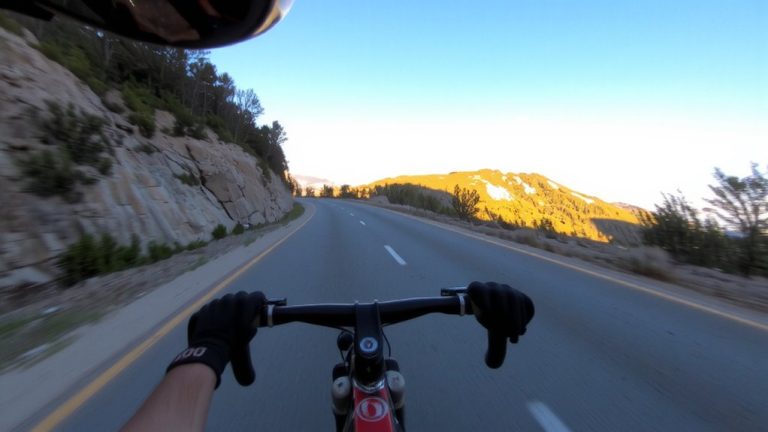
You’ve stayed calm and kept your distance, just like you would when evaluating trail conditions before a long ride-now it’s time to recognize why that space matters. Injured wild animals, even small ones, can react fast and hard when scared. Raccoons, foxes, deer, and birds of prey might bite, scratch, or kick-sometimes hard enough to break skin. You shouldn’t attempt handling wildlife, especially mammals over five pounds, since stress can turn a calm animal aggressive in seconds. Rabies vector species like raccoons and bats can spread disease through tiny wounds. Your gloves, helmet, or trekking poles won’t protect you from a panicked animal. Leave the rescue to trained wildlife rehabilitators and animal control. They’re equipped to deliver medical care safely. Stepping back protects you, the animal, and supports broader conservation efforts for wild animals.
Call for Help Immediately
If you spot a hurt animal on the trail, don’t wait-pull out your phone and call the New England Wildlife Center at 781-682-4878 or reach out to your local wildlife rehabilitator right away, because response slots fill fast and every minute counts. These professionals manage injured animals safely, especially rabies-risk species, so always contact help before moving closer. Hospitals have limited beds, so timely wildlife rescue is critical. If it’s after hours, leave a detailed message at (516) 674-0982 with the animal’s exact location, species, visible injuries, and nearby hazards. This info helps us find and prioritize cases quickly. Never transport or treat animals yourself-improper handling worsens stress and injuries. To get support fast, please contact us or your local wildlife rehabilitator immediately. Your prompt action gives injured animals the best chance.
Only Contain the Animal If Instructed
When a wildlife professional tells you to contain an injured animal, act quickly but calmly-use a ventilated, rigid container like a 20-gallon plastic tote with air holes punched in the lid, line it with a thick cotton towel for grip and insulation, and gently slide the animal inside using a dustpan or stiff board to minimize direct contact. Only contain the animal if explicitly instructed by a licensed wildlife rehabilitator, as improper containment can cause harm. Never handle rabies vector species like raccoons or bats without professional guidance. Always call the New England Wildlife Center at (516) 674-0982 before attempting containment or transport-this guarantees they’re ready and you follow protocol. Keep the animal covered and quiet, and never offer food or water.
| Action | Purpose |
|---|---|
| Call first | Get instructions and confirm help is available |
| Use a towel-lined tote | Prevent stress and improve grip |
| Cover container | Reduce visual stimulation |
| Note contact information | Guarantee fast handoff to rehabilitator |
Keep Kids, Pets, and Noise Away
While keeping your distance might seem obvious, it’s essential to actively manage the scene by keeping kids at least 50 feet away and pets securely leashed or removed from the area-this isn’t just about safety, it’s about preventing shock in an already stressed animal. Even a baby animal, like a seemingly abandoned baby bird or small mammal, can go into fatal distress from nearby movement or noise. Injured wildlife, whether birds and mammals or other wild creatures, are highly sensitive to their surroundings. Loud voices, barking dogs, or sudden sounds can spike their heart rate, leading to shock or exhaustion. Keep quiet, avoid clapping or yelling, and don’t use flash photography-it disorients already vulnerable animals. Create a silent buffer zone of at least 30 feet around the injured animal. This calm, controlled space gives birds and mammals the best chance until help arrives, mimicking natural quiet of remote trails where wild animals thrive.
Never Feed or Touch the Animal
Keep a safe distance and resist the urge to step closer, even with good intentions-approaching a wounded animal puts both you and the creature at risk. If you come across an injured animal, remember: never feed and do not touch. Giving food to a visibly injured creature can lead to aspiration, digestive issues, or long-term dependency, and the New England Wildlife Center strongly advises against it. Animals like raccoons, skunks, or foxes may carry rabies or leptospirosis, so resist the urge to help an injured one manually. Even if you find an animal lying still, avoid contact-handling causes extreme stress, possibly fatal shock. Feeding also promotes habituation, affecting over 225 species’ natural behaviors. Use your phone to call a licensed rehabilitator instead of trying to give food or water. Remember, only professionals should handle wildlife-your best move is to keep calm, keep your dog leashed at 6 feet, and keep your hands off.
On a final note
Stay calm and keep a safe distance-most injured animals react unpredictably, even deer or raccoons. Call wildlife rescue right away; don’t assume you can help. Only contain the animal if pros guide you, using gloves and a tarp for larger critters. Keep kids, dogs, and noise far away. Never feed or touch it. Your best gear here? A charged phone, 25-foot visibility on trails, and good judgment.