What to Do If a Rider Develops Severe Asthma Symptoms Mid-Ride
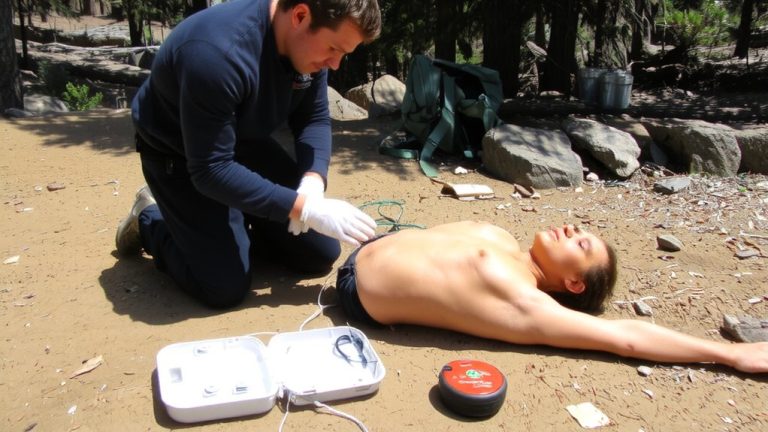
If you start coughing or gasping within 15 minutes of riding hard in cold, dry air below 40°F, stop immediately and take two puffs of your albuterol inhaler-keep it accessible in your jersey pocket or hydration pack. Alert your group with a hand signal or call, then move to shelter like a trailside cabin or dense tree line to reduce wind exposure. Breathe warm, humidified air and wait 10–15 minutes to assess improvement; if wheezing or speech difficulty persists, call 911. Only resume riding after full recovery, and know exactly what gear and backup plans can keep you safe on every cold-weather ride.
We are supported by our audience. When you purchase through links on our site, we may earn an affiliate commission, at no extra cost for you. Learn more. Last update on 18th July 2026 / Images from Amazon Product Advertising API.
Notable Insights
- Use two quick puffs of an albuterol inhaler immediately to relieve bronchoconstriction during severe asthma symptoms.
- Signal distress to fellow riders using a prearranged sign or verbal call to ensure prompt assistance.
- Relocate to a warm, sheltered area to reduce cold air exposure and support breathing recovery.
- Call 911 if symptoms like severe shortness of breath or inability to speak persist after inhaler use.
- Monitor for improvement in breathing for 10–15 minutes; ensure full recovery before resuming activity.
Identify Exercise-Induced Asthma Symptoms Mid-Ride
What if your ride starts strong but suddenly turns into a struggle just minutes after hitting the trail? That could be exercise-induced asthma flaring up. During physical activity, especially in cold air, you might notice symptoms like shortness of breath, chest tightness, or persistent coughing-sometimes the only sign. These typically begin within minutes of intense effort, like climbing a steep 10% grade, and worsen if you’re breathing through your mouth. Testers on dry, sub-50°F rides reported increased coughing at 15–20 minutes in, even with windproof neck gaiters. Symptoms often peak 5–10 minutes post-ride and can linger over an hour. Late-phase inflammation might bring back coughing 4–12 hours later. Recognizing early signs-especially when cold air and sustained output combine-is key to managing your ride safely and effectively.
Stop Riding and Use Your Albuterol Inhaler Now
If you’re suddenly gasping for air, chest tight, or struggling to speak mid-ride, don’t wait-stop pedaling now and reach for your albuterol inhaler, because two quick puffs can reverse bronchoconstriction fast. Your inhaler is your rescue inhaler, designed to relieve asthma symptoms triggered by short bursts of activity, especially in cold, dry air below 40°F. Always keep it accessible in a zippered jersey pocket or hydration pack side pouch. If trouble breathing persists after use, don’t push on-help is critical.
| Symptom | Action |
|---|---|
| Wheezing, tight chest | Use albuterol inhaler |
| Trouble breathing | Stop all exertion |
| No relief after puffs | Seek emergency care |
| Riding in cold air | Pre-use inhaler 20 min prior |
Let Someone Know You’re in Distress
How quickly can you get help when every breath feels like a race against time? If asthma happens mid-ride, you must signal immediately-use a prearranged sign like raising a hand or calling out. Many people with asthma, especially those who have exercise-induced asthma, find that physical activity can trigger symptoms. Alert nearby riders, even if you’re unsure it’s serious. Carry your rescue inhaler, and make sure one person in your group knows its location and how to help. If you can’t speak in full phrases or wheezing worsens, it’s an emergency. When riding solo, use your phone to send a distress message or call 911. Wear medical ID or attach an asthma action plan to your frame. That way, people can respond fast, even if you can’t communicate.
Move to a Warm, Sheltered Area Immediately
Once you’ve alerted someone to your distress, your next move is to get out of the elements fast-cold, dry air can tighten your airways even more, especially when temperatures drop below 40°F. Seek a sheltered area immediately, like a trailside cabin, parked car, or dense tree line, to reduce further bronchoconstriction. Cold and dry air worsens exercise-induced bronchoconstriction (EIB), so warmer temperatures help rehydrate the air you breathe. A sheltered area limits wind exposure and boosts humidity around your airways, slowing EIB progression. Avoid staying on open roads or exposed ridgelines where wind chill amplifies cold effects. Even if you’re mid-ride with full gear-camelbak, thermal jersey, and balaclava-those won’t fully protect you now. Get to warmth fast. It’s critical for stabilizing breathing and ensuring rescue medication works efficiently when you use it.
Check If Your Breathing Is Improving
What’s your breathing feel like now-steady and opening up, or still tight and shallow? After using your SABA inhaler, wait 10–15 minutes to see if bronchoconstriction eases. Look for improved airflow-less wheezing, reduced chest tightness, and the ability to speak complete utterances without gasping. If you have a peak flow meter, check readings: above 80% of your personal best means your rescue inhaler is working. Watch closely, though-late-phase symptoms can pop up 4–12 hours later, even if you feel better now.
| Sign of Improvement | What It Means |
|---|---|
| Speaking in complete utterances | Improved airflow, less bronchoconstriction |
| Peak flow >80% | Effective bronchodilation |
| Reduced wheezing | Rescue inhaler is helping |
Call 911 If Symptoms Don’t Subside
Still feeling like you’re running out of air, even after two puffs of your albuterol inhaler and a 15-minute breather off the trail? If symptoms of exercise-induced asthma-like severe shortness of breath, wheezing, or trouble speaking-don’t ease right after using your rescue inhaler, don’t wait: call 911. Delaying care can lead to life-threatening respiratory distress. Severe bronchoconstriction during cycling or trail riding often needs emergency treatment, including oxygen or systemic corticosteroids. Blurry thinking, fast worsening, or blue lips means immediate transport is essential. Even if your breathing seems better, relapse is possible up to 12 hours post-exercise. For riders with exercise-induced asthma, carrying a full rescue inhaler (90 mcg per puff, max 8 in 24 hrs) and knowing your limits on singletrack or long climbs could save your life.
Wait for Full Recovery Before Resuming Riding
Don’t rush back on the trail just because your breathing feels better after an asthma flare-up. After you stop activity and use your rescue inhaler, rest for at least 30 minutes to guarantee asthma symptoms fully resolve. Full recovery means your breathing and heart rate return to baseline, and you can speak in complete phrases without gasping. Even then, late-phase symptoms can reappear 4 to 12 hours later, especially in cold or dry air, so skip strenuous riding the rest of the day.
| Checkpoint | Requirement |
|---|---|
| Breathing | Steady, no wheezing |
| Speech | Complete phrases without gasping |
| Heart Rate | Back to normal |
| Symptom Relief | Confirmed for 30+ minutes |
| Activity Level | No exertion until fully recovered |
Resuming too soon risks bronchospasm-wait for full recovery.
On a final note
If asthma hits mid-ride, stop, use your albuterol inhaler-2 puffs max-and move to shelter, like a trailside canopy or heated rest stop. Tell your buddy, monitor breathing for 10–15 minutes; if no improvement, call 911. Always carry a rescue inhaler in a zippered jersey pocket or hydration pack, like the CamelBak Trail 6L, and wear breathable, moisture-wicking layers to manage airway triggers.