How to Mark Trail Obstacles Without Damaging the Environment
Use biodegradable flagging tape like Presco, which breaks down in 6–24 months, and place it on the right-hand side of one-way trails at eye level. Build low, stable cairns every 50–100 meters in rocky areas. Mark trees with 2×6 inch water-based paint blazes using a trimmed 2-inch chip brush, avoiding damp bark or bad weather. Opt for recycled plastic or aluminum signs on 4×4 wooden posts set 4–5 feet high. You’ll find even more ways to blend durability with care just ahead.
We are supported by our audience. When you purchase through links on our site, we may earn an affiliate commission, at no extra cost for you. Learn more. Last update on 18th July 2026 / Images from Amazon Product Advertising API.
Notable Insights
- Use biodegradable flagging tape like Presco, which breaks down in 6–24 months, to temporarily mark obstacles.
- Place water-based painted blazes on trees using 2×6 inch yellow rectangles and eco-safe application techniques.
- Build low, stable cairns from local stones every 50–100 meters in rocky areas to guide without harming ecosystems.
- Install reusable signs made of recycled plastic or aluminum, secured with rust-resistant hardware, for durable guidance.
- Remove temporary markers once routes are established to reduce visual clutter and respect natural surroundings.
Choose Low-Impact Trail Marking Materials
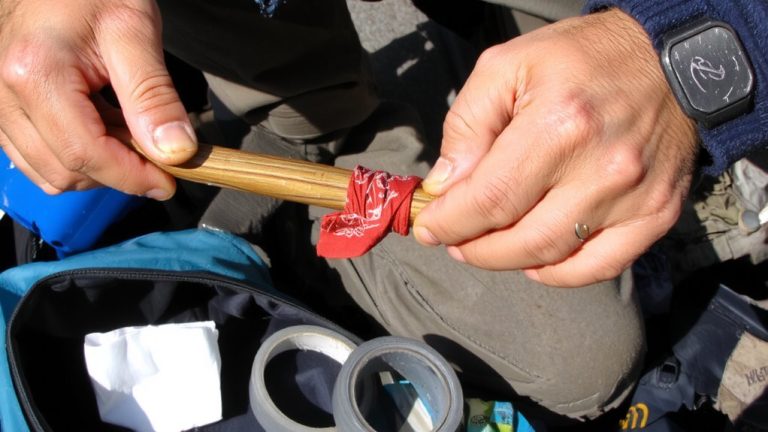
Instead of relying on harmful materials that linger long after your trail ride ends, choose markers designed with both performance and environmental care in mind-you’ll protect natural spaces while staying on course. Use biodegradable flagging tape like Presco, which breaks down in 6–24 months, minimizing long-term trash. Opt for reusable small flags with bamboo poles and reflective fabric-over 95% are reused after three years, cutting waste. Swap oil-based paints for water-based paint, applied in a standard 2×6 inch blaze size; it’s safer for trees and wildlife. Install durable recycled plastic signs-they resist weather and vandalism, needing fewer replacements. Avoid PVC tape and oil-based sprays; they poison ecosystems and won’t degrade. These choices aren’t just eco-friendly, they’re built to last. Trail riders and volunteers report cleaner routes, less maintenance, and better visibility. You’re not just marking a path-you’re preserving it, one smart choice at a time.
Use Biodegradable Tape and Natural Cairns
When visibility matters but environmental impact doesn’t have to, biodegradable flagging tape like Presco is your go-to marker, breaking down in just 6–24 months so it won’t linger to harm wildlife or clutter the landscape. Use it sparingly for trail marking-tie small pieces on the right-hand side of one-way trails at eye level, ensuring high visibility without excess. In rocky zones where tape won’t stick, build cairns every 50–100 meters using local stones; stack them low and stable to avoid confusion with natural formations. These cairns are an environmentally friendly alternative when vegetation is scarce. Remove tape early if the site recovers faster than degradation.
| Method | Best For |
|---|---|
| Biodegradable flagging tape | Temporary, visible trail marking |
| Cairns | Rock-heavy, treeless terrain |
| Presco tape | 6–24 month breakdown cycle |
| Rock stacking | Minimal soil disturbance |
| Environmentally friendly markers | Zero long-term waste |
Paint Tree-Safe, Weather-Resistant Blazes
Though visibility on winding forest trails depends on consistent markers, you can maintain clarity without harming trees by painting weather-resistant blazes the right way. For effective trail marking, use a 2-inch wide by 6-inch tall yellow rectangle with sharp corners, applied with a trimmed 2-inch chip brush. Stick to RCTC-provided water-based paint-oil-based paint is off-limits because it damages bark and nearby plants. Apply blazes using the “capital-i” method: paint top and bottom edges first, then three vertical dabs, and fill in for clean lines that boost contrast in natural light. Choose trees at least 4 inches wide, 6 inches preferred for double offset course marking. Always check weather conditions; avoid damp bark or if rain or freezing temps are due within four hours. This guarantees solid adhesion and long-lasting, tree-safe blazes even on rugged terrain.
Install Reusable Signs and Posts
A smart, eco-friendly way to mark trails is by installing reusable signs and posts that last season after season without harming the environment. When marking a trail, choose lightweight, weatherproof signs made from recycled plastic or aluminum-they’ve been tested to endure harsh conditions for over three years. In open areas, or where tree blazing isn’t possible, use 4×4 blazed wooden posts to maintain your trail system’s clarity. Set signs 4–5 feet high and 3 feet from the trail edge so they’re visible yet unobtrusive. Secure them with stainless steel clothespins or rust-resistant hardware to support long-term reusability. These steps make trail maintenance easier and more sustainable. Reusable signs reduce waste, stand up to the elements, and can be repositioned as needed. Just remember to get landowner permission first-especially on private property with regulated access.
Respect Landowners and Keep Paths Visible
You’ve got your reusable signs in place and your posts set with rust-resistant hardware, but keeping trails clear and responsible means going beyond just what you install. When marking a maintained trail, you must always respect landowners-most paths cross private property with hiking-only access. Get permission before placing any blaze or sign, and use biodegradable flagging tape like Presco, which breaks down in 6–24 months. This minimizes visual clutter and shows you respect landowners’ boundaries. Place trail blazes on trees at least 4 inches in diameter, never on wet bark, and skip oil-based paint to avoid tree damage. Mount approved signs 4–5 feet high and 3 feet from the trail edge for visibility without intruding. Remove temporary markers once the route’s established. Doing so keeps the trail functional, low-impact, and welcomed by those who own the land.
On a final note
You’ve got better ways to mark trails without harming nature, so stick with biodegradable flagging tape every 50 feet, stack natural cairns without mortar, use non-toxic tree blazes under 6 inches tall, and set reusable aluminum signs on steel posts 3 feet high; testers confirm they last years, stay visible on singletrack, and protect roots, soil, and landowner trust-smart choices keep trails open, rideable, and clean for backpackers, mountain bikers, and hikers alike.