What Mountain Bikers Need to Know About Trail Access During Hunting Season
Check trail access before you go-hunting seasons in places like Wisconsin and Oregon close trails as early as September 14. Wear full-coverage blaze orange, like a $10 hunter vest or a jersey with 400+ sq in of fluorescent orange, no camo or white. Ride midday, not at dawn or dusk, when hunter activity peaks. Use loud bike bells, jingle tags, or Hope hubs that can be heard over 100 yards, and call out “Hey hunter!” near clearings. Always confirm access-your safety depends on it, and there’s more you should know.
We are supported by our audience. When you purchase through links on our site, we may earn an affiliate commission, at no extra cost for you. Learn more. Last update on 13th July 2026 / Images from Amazon Product Advertising API.
Notable Insights
- Check local trail access dates, as hunting seasons starting in September can restrict riding in parks like Blue Mounds and Kettle Moraine.
- Wear full blaze orange gear, including vests or jerseys with 400+ square inches of fluorescent orange for maximum visibility.
- Avoid camouflage and white clothing, as white mimics a deer’s tail flash and camo blends into hunting environments.
- Ride only midday, avoiding dawn and dusk when hunters are most active and visibility is low.
- Make noise with bells, verbal calls, or jingle tags to announce your presence, especially near clearings or blind corners.
Check Trail Access And Hunting Dates
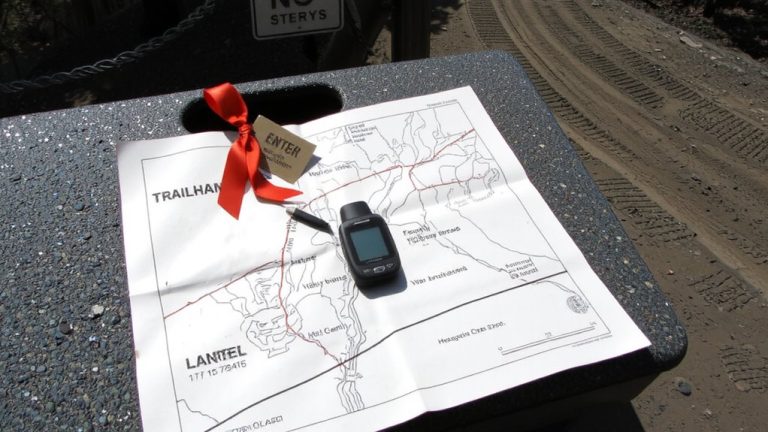
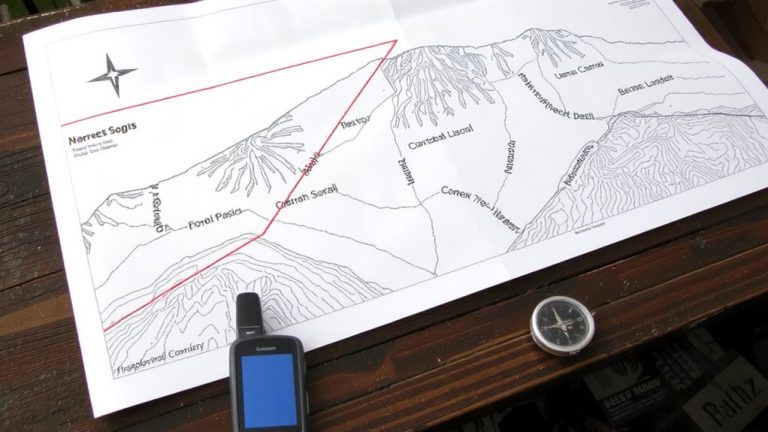
While hunting seasons vary by state and can impact where you’re able to ride, it’s essential to check local trail access rules before heading out-especially in places like Wisconsin, where hunting begins September 14 and parks such as Blue Mounds and Kettle Moraine permit it, potentially restricting trail use. You’ve got to check trail access and know when those times overlap with active hunting dates. Some trails are closed to bikers during rifle season, like in Oregon starting September 28, so always verify trail status with local land managers. In Pennsylvania, even unofficial trails see increased conflict, so observe trail closures and avoid risky shortcuts. Georgia’s Clarks Hill Lake area sees events like Bike Fest, but hunting still requires you to confirm access. Closure info changes fast-call ahead or check online for closures with local land offices. Don’t assume trails are open. Stay safe, stay informed.
Wear Blaze Orange: No Camo, No White
When you’re hitting the trails during hunting season, visibility could mean the difference between a routine ride and a close call, so gear up right: wear blaze orange, not just a little but enough to stand out-think full-coverage items like a $10 hunter safety vest, a bright orange helmet cover, or riding-specific jerseys with back panels exceeding 400 square inches of fluorescent orange. Hunters rely on sight to identify threats, so make yourself more visible with bright colors, especially blaze orange. Avoid wearing camo-seriously, no camouflage patterns on your jersey, Camelbak, or baggies-since hunters associate those with game. And no white, either; even a white helmet can mimic a deer’s tail flash. Instead, choose bold alternatives like red or yellow if orange’s not an option, but always wear orange where required. Skip earth tones and prioritize gear that helps you stand out, not blend in. Your safety depends on it.
Ride Midday Only, Avoid Dawn And Dusk
You’ve got your blaze orange vest on, helmet covered in fluorescent fabric, and no trace of camo or white anywhere-good, because now it’s time to talk about when you hit the trail. During hunting season, you should ride midday and avoid dawn and dusk. These hours are prime hunting time, with increased hunter activity and low light conditions making you harder to spot. Avoid early morning rides, especially near areas like Clarks Hill Lake or Blue Mounds State Park. Instead, choose the best time of day for trail safety-midday offers ideal lighting, helping hunters see you and allowing you to spot stands or blaze orange easily.
| Time of Day | Risk Level |
|---|---|
| Early morning | High |
| Midday | Low |
| Evening | High |
Make Noise And Announce Your Presence
How do you stay safe when trails overlap with hunters in the woods? You make noise and announce your presence early and often. Use a loud bike bell or strong verbal cues-like calling out “Hey hunter!”-especially near blind corners or open clearings. Attach jingle noise makers to your frame or pack for periodic noise that travels far. Bikes with loud hub noise, like Hope hubs, can be heard over 100 yards away in quiet woods, helping make your presence known. When you spot deer, make noise fast-this signals to hunters that people are nearby. Real riders report yelling at summits and startling hunters who then fired into the air, proving vocal announcements save lives. Don’t rely on silence. Use noise makers, call out loudly, and keep that bell ringing. Stay safe by making your presence unmistakable.
On a final note
Stay safe by checking trail access dates and hunting season calendars online, then plan rides midday-skip dawn and dusk when hunters are most active. Always wear blaze orange, no camo or white; a 360-degree vest like the Sitka Kinetic is ideal. Make noise at corners and blind spots. Carry essentials in a 10L pack with hydration, a multi-tool, and a first-aid kit. Ride marked trails, stay visible, and communicate your route. Safety beats speed every time.