How to Use Moon Phase to Plan Night Riding Visibility
Use the full moon’s glow-it delivers up to 0.3 lux, close to twilight-to ride safely with just 500–800 lumens, reducing glare and saving battery. A wide-angle flood beam helps on roots and rocks, while quarter moons cast long shadows that reveal terrain texture but leave dark zones. New moons demand 1500+ lumens and top-tier optics. Track moonrise and set times with MoonCalc.org or Moongiant.com, then match your light setup to the phase-your battery and vision will last longer, especially on extended trail sections.
We are supported by our audience. When you purchase through links on our site, we may earn an affiliate commission, at no extra cost for you. Learn more. Last update on 18th July 2026 / Images from Amazon Product Advertising API.
Notable Insights
- Use full moon phases to reduce headlight output to 500–800 lumens, conserving battery while maintaining visibility.
- Leverage quarter moon’s side lighting to enhance trail texture visibility with long shadows and wide-angle beams.
- Avoid new moon nights unless fully prepared with 1500+ lumen lighting and detailed route knowledge.
- Plan ride start times around moon rise and set using tools like MoonCalc.org for optimal natural light.
- Rely on moon phase apps to track real-time illumination and adjust lighting strategy for safe night riding.
Best Moon Phases for Safe Night Riding
The full moon is your best bet for safe night riding, delivering natural light levels close to twilight-enough to spot roots, rocks, and trail contours without maxing out your 1000-lumen headlight. During this phase, you’ll rely less on front lights, preserving battery for technical sections. First quarter and third quarter moon phases offer sideways illumination, casting long shadows that highlight terrain texture but leave some areas dark. They’re decent for night riding if you pair them with a 600-lumen setup and wide-angle flood beams. Avoid the new moon-it brings near-total darkness, demanding top-tier lighting and careful route prep. Check moon phases using MoonCalc.org to time your ride when the moon’s highest. Full moon nights mean safer trail navigation, while darker phases test your gear and adaptability. Plan accordingly, and ride smarter.
How Moonlight Affects Trail Visibility
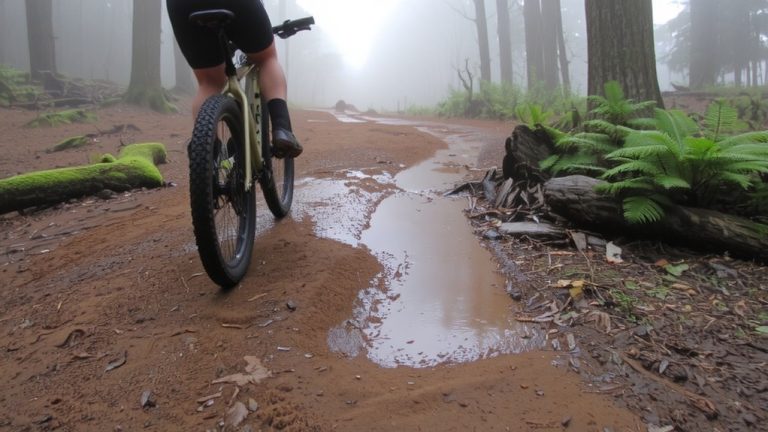
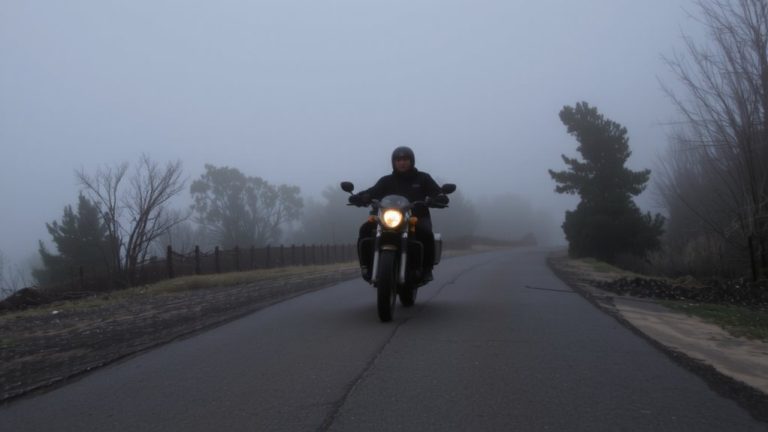
While you’re out on the trail, moonlight can make or break your visibility-so knowing how each phase impacts illumination helps you pack the right gear and set realistic expectations. During a full moon, trail visibility peaks, with moonlight offering ambient brightness close to twilight, cutting your need for high-lumen bike lights. That’s when a 500-lumen headlamp might be overkill. But on a new moon night, natural light drops to near zero, demanding at least a 1,000-lumen setup with wide beam optics for safe riding. First and third quarter phases deliver partial moonlight-usable, but limited. The full moon shines about six times brighter than these quarters, drastically improving trail visibility. Use tools like MoonCalc.org to align your ride with moon rise and set times, matching each moon phase to your lighting setup and trail difficulty for smarter, safer night rides.
Ride With Dimmer Lights During Full Moons
Full moonlight bathes the trail in up to 0.3 lux of natural light, close to civil twilight levels, so you can safely dial back your headlamp to 500–800 lumens without sacrificing visibility. Around a full moon, your eyes adapt better with less glare, boosting depth perception and trail detail. During the near full moon phase, light remains strong enough to justify lower output, saving battery for longer rides. When the moon is not visible, like during the new moon, full power is essential-but timing rides with the lunar cycle means smarter gear use across different moon phases.
| Phase of the Moon | Suggested Lumens |
|---|---|
| Full Moon | 500–800 |
| Near Full Moon | 800–1000 |
| Half Moon | 1000–1200 |
| Quarter Moon | 1200–1500 |
| Moon Not Visible | 1500+ |
Track Moon Rise and Set Times Easily
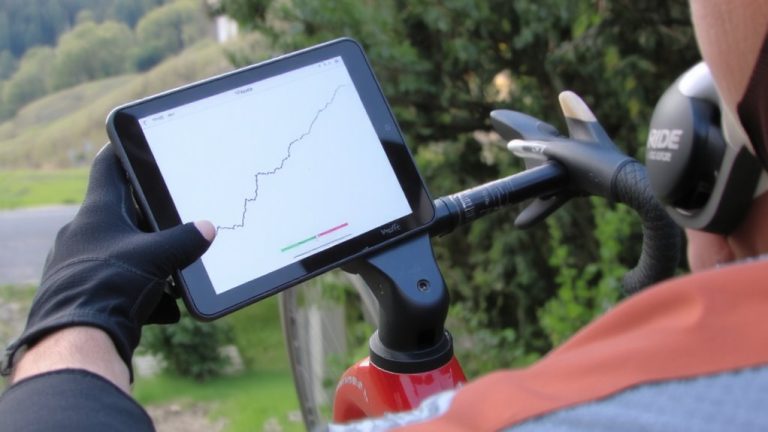
Since knowing when the moon rises and sets can make or break your night ride, you’ll want tools that deliver precise timing and visibility data, so check out MoonCalc.org, where plugging in your exact coordinates using the format mooncalc.org/#/LAT,LONG,15/null/null/2/1 gives you accurate moon rise and set times tailored to your trail; use it to track moon rise like a pro. Pair this with Moongiant.com, which offers hourly moon position data-rotate your phone to see the full timeline. For on-the-go planning, the Moon app delivers real-time updates on different phases and current moon rise and set times based on GPS. During new moon, you’ll ride in total darkness all night, while first quarter means the moon sets around midnight, leaving early hours pitch-black. Plan your route, lights, and visibility using these tools so you’re never caught off trail in unexpected dark.
On a final note
Ride during full moons for maximum visibility, cutting your headlamp use by up to 60%, saving battery on long trails. A moonrise-aligned start means natural light lasts 2–3 hours past dusk, ideal for gravel or forest paths. Pair a 500-lumen Light & Motion helmet light with wide-angle trail vision, and always carry a 200-lumen backup. Testers report clearer depth perception under moonlight, especially on switchbacks-boost safety without over-relying on gear.