What Mountain Bikers Need to Know About Avalanche Risk in Spring Riding
You’re exposed to avalanche danger every spring ride above treeline, especially on sunny south slopes over 30°. Wet loose and wet slab avalanches accelerate to 20 mph when solar warming penetrates isothermal snow. Ride before dawn, finish by 10:30 a.m., and watch for roller balls, slushy surfaces, or glide cracks. Always carry a beacon, probe, and shovel-self-rescue is likely your only option. Map escape routes under 30° using CalTopo, avoid gullies, and pack a satellite communicator; there’s more where that came from.
We are supported by our audience. When you purchase through links on our site, we may earn an affiliate commission, at no extra cost for you. Learn more. Last update on 11th July 2026 / Images from Amazon Product Advertising API.
Notable Insights
- Many mountain bikers unknowingly enter avalanche terrain each spring, especially near treeline on sun-exposed, southerly slopes.
- Wet loose and wet slab avalanches can occur on slopes over 30° when warming melts the snowpack.
- Roller balls, slushy snow, recent avalanche debris, or glide cracks signal high avalanche danger in spring.
- Ride early-start before dawn and finish descents by 10:30 a.m. to avoid peak solar warming risks.
- Carry a beacon, probe, and shovel, and know how to use them-self-rescue is often the only option.
Understand Spring Avalanche Risks for Mountain Bikers
Every spring, dozens of mountain bikers unknowingly ride into avalanche terrain where warming temperatures turn stable snowpacks into active hazards. You’re most exposed to spring avalanche risks when riding near treeline, especially on southerly aspects heated by solar radiation. Wet loose avalanches start easily on slopes with a slope angle over 30°, pulling you down as unstable snow gains speed. Wet slab avalanches are more destructive, sometimes running on slopes under 30° when water penetrates persistent weak layers. Glide avalanches, though rare, occur without warning on smooth, flat terrain-visible glide cracks are critical red flags. Avoid these zones during late morning to afternoon when warmth peaks. Your mountain biking gear won’t save you here-no airbag, helmet, or bike frame offsets poor decisions. Stay smart, stay out of avalanche terrain, and respect the snow’s springtime shift.
Identify Avalanche Terrain and Snowpack Warning Signs
When you’re scanning the hillsides for rideable lines each spring, pay close attention to signs that the snowpack’s stability is breaking down-wet loose avalanches often start on sun-exposed, south-facing slopes once temperatures climb above freezing, and if you see roller balls or pinwheels forming ahead of your tires, that’s saturated snow giving you a warning. The snow surface might feel soft or slushy, especially on steep terrain over 30°, where recent avalanche problems like crown faces or debris indicate current avalanche hazards. Watch for glide cracks-they’re visible splits in the snowpack, often on smooth terrain, signaling potential full-depth wet avalanches. Boot penetration deeper than ankle-level means the snow didn’t refreeze overnight, raising risk on slopes as low as 25 degrees. Loose wet avalanches can release unexpectedly, so avoid shaded gullies or leeward ridges with cornice fall potential. Recognizing these clues helps you choose safer routes and ride with more confidence.
Ride Early to Avoid Peak Spring Avalanche Danger
As temperatures climb and the sun hits those south-facing slopes, the clock starts ticking on safe riding time-so if you want to stay out of harm’s way, you’ve got to be on your bike before dawn. Ride early to beat the spring avalanche spike, when rising freezing levels and solar radiation warm the snowpack, turning stable slopes into hazards. Overnight cold refreezes surface snow, reinforcing the snowpack and delaying wet slab and loose wet avalanches. By midday, especially on east and west aspects, solar radiation cranks up, softening snow just like a sundial tracking danger. Wet avalanches move at 20 mph with concrete force-timing is everything. Check the weather forecast hourly, and aim to finish your descent by 10:30 a.m. before avalanche danger surges. Riding early means safer trails, predictable snow, and smarter spring missions.
Carry Essential Avalanche Safety Gear
A solid avalanche safety kit isn’t optional gear-it’s your lifeline when riding spring backcountry trails where wet slab and loose wet avalanches can slide without warning, even in late May or early June. You must carry a beacon, probe, and shovel-this trio is non-negotiable for Avalanche Safety. Wet slabs, triggered by isothermal snow at 0°C, can travel 20 mph and bury you fast, no matter the time of year. Unlike in winter, spring skiing hazards often fall outside forecasted zones or after avalanche centers close, so self-rescue is likely your only hope. Avalanches can travel far, reaching valley bottoms and trapping riders below. Even during late spring, conditions remain dangerous above 30° slopes. Always pack avalanche safety gear: a reliable beacon, collapsible probe, and durable shovel-test them regularly. Your survival could depend on them.
Plan and Practice Your Emergency Escape Route
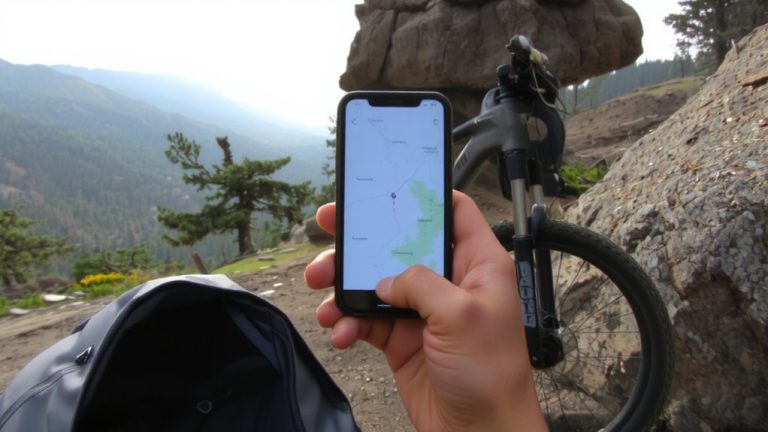
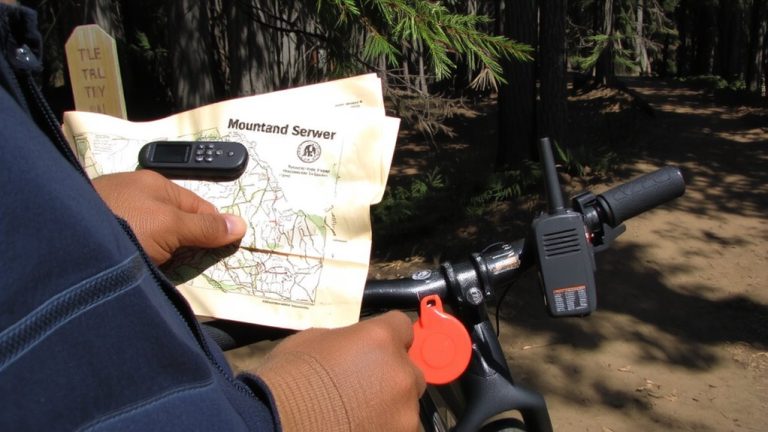
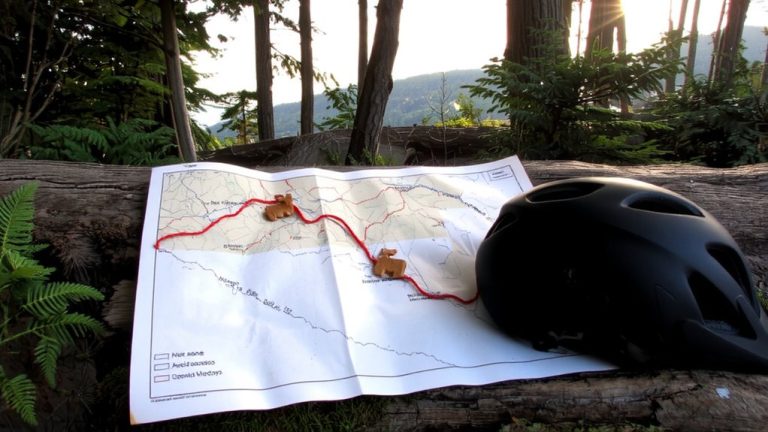
You’ve got your beacon, probe, and shovel dialed in-now make sure you know how to get out fast. Plan and practice an emergency escape route before spring riding, especially in areas with recent glide cracks or persistent warming. Use CalTopo to map routes with slope angles under 30°, avoiding terrain traps like gullies and runout zones where wet slab avalanches gain momentum. Time your exit around diurnal melt cycles-start moving before the snow softens past ankle depth, a clear sign of high avalanche risk. Practice rapid retreat protocols near wind-loaded slopes, such as Mt. Baker’s Roman Wall, where deposited snow increases slab instability. Always carry satellite communication; escape routes may lead into remote zones with zero cell coverage, particularly during extreme avalanche danger alerts.
On a final note
You’re safer when you ride early, carry a shovel (like the Deuter Speed 240), beacon, and probe, and stick to low-angle trails. Spring sun softens snowpack-watch for wet slides after 10 a.m. Choose bikes with wide tires (2.4”+) for unstable terrain, pack light with a 10L backpack, and always know your escape route. Testers confirm: timing, gear, and terrain choices cut risk fast.