How to Plan a Mountain Bike Route Around Hunting Seasons
Know your Wildlife Management Unit (WMU), as Pennsylvania’s 22 zones set unique hunting dates-rifle season starts the day after Thanksgiving, with peak hunter activity at dawn and dusk. Ride mid-day (10 a.m.–2 p.m.) for better visibility and lower risk. Always wear blaze orange-250+ square inches visible-like a $2 safety vest, and skip camo, tan, or brown. Use a bike bell, call out “Hey hunter!” on blind trails, and avoid state game lands during closures; Sundays may allow access. You’ll find even safer, smarter strategies just ahead.
We are supported by our audience. When you purchase through links on our site, we may earn an affiliate commission, at no extra cost for you. Learn more. Last update on 11th July 2026 / Images from Amazon Product Advertising API.
Notable Insights
- Check Pennsylvania’s 22 WMU hunting season dates to avoid peak rifle, muzzleloader, and bear hunting periods.
- Ride mid-day between 10 a.m. and 2 p.m. to reduce encounters during high-activity dawn and dusk hunting hours.
- Wear blaze orange clothing showing at least 250 square inches for visibility to hunters in low-light conditions.
- Use bike bells, voice calls, and hand claps to announce your presence near blind corners or dense hunting zones.
- Stick to designated routes, public roads, or Sunday-legal State Game Lands to comply with biking restrictions during hunting seasons.
Identify Hunting Zones and Season Dates
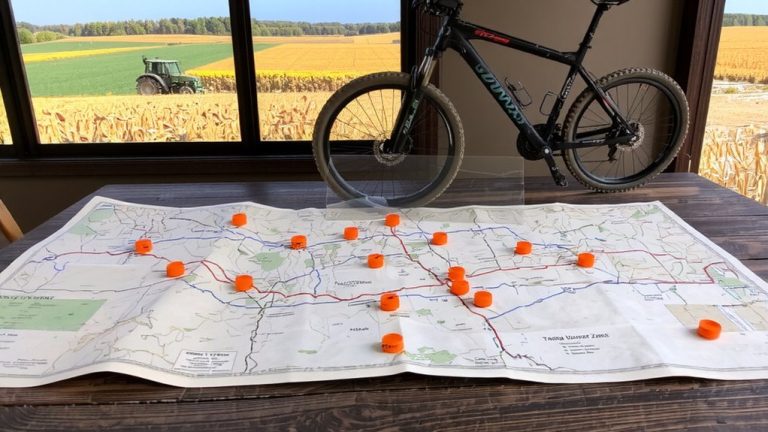
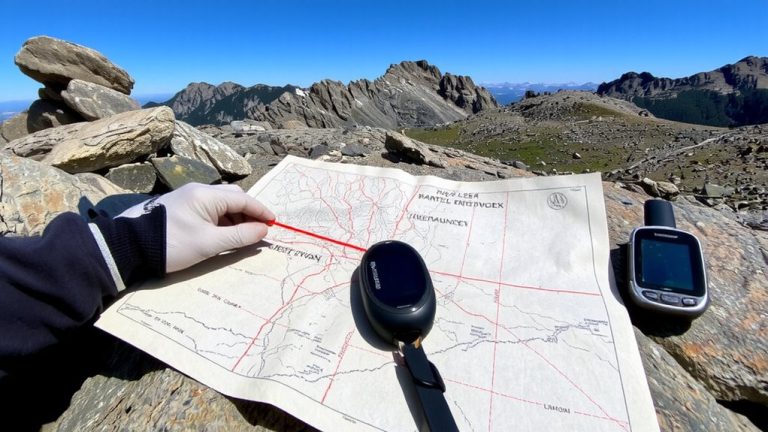
You’ll want to check Pennsylvania’s Wildlife Management Unit (WMU) maps before hitting the trails, since hunting zones and rules change depending on the area, and knowing exactly where you’re riding can keep you safe. The State divides into Management Units, each with unique Hunting season(s) and regulations, so Make sure you know your route’s WMU. Mountain Biking During Hunting peaks in danger during shotgun/rifle deer season, starting the day after Thanksgiving, with high hunter density on the Trail. Muzzleloader season follows in December and early January, while bear hunting runs just before Thanksgiving. Even during archery and small game seasons, hunters are active. Know when those times occur and consult local land managers for updates. Wear blaze orange-testers report 360-degree visibility with a hat and vest-and stick to open, well-marked routes to reduce risk.
Check Your WMU’s Hunting Rules
While hunting regulations can vary greatly across Pennsylvania’s 22 Wildlife Management Units, checking your specific WMU’s rules guarantees you’re not caught on trails during high-risk periods like the shotgun deer season, which typically starts the day after Thanksgiving and sees a surge in hunter activity. You need to check your WMU’s hunting rules-each Wildlife Management Unit sets its own hunting season dates for deer season, bear season, and turkey season. The Pennsylvania Game Commission posts updated WMU maps and schedules online, including details on shotgun/rifle season and whether hunting on Sundays is allowed. Some state game lands permit Sunday hunting during rifle season; others don’t. Knowing exact dates and permitted zones helps you plan safer rides on trails like those in SGL #179. Ignoring these rules risks fines from Game Commission officers actively enforcing land use.
Ride Mid-Day to Avoid Peak Hunting Hours
Since hunters are most active during the low-light hours of dawn and dusk, riding mid-day between 10 a.m. and 2 p.m. drastically cuts your risk of encountering them on busy game lands, especially during Pennsylvania’s shotgun deer season. You’ll avoid peak hunting hours when visibility drops and activity surges. Mid-day light boosts your contrast against forest backgrounds, giving hunters better visibility to spot you. During hunting season, remember that state game lands ban biking from the last Saturday in September to the third Saturday in January-except on Sundays or public roads. That makes riding mid-day on Sundays your safest bet for access. Even with good light, hunters can mistake movement for game, so carry a bright orange safety vest with at least 250 square inches of blaze orange. Wear it if visibility narrows or conditions change.
Wear Blaze Orange During Hunting Season
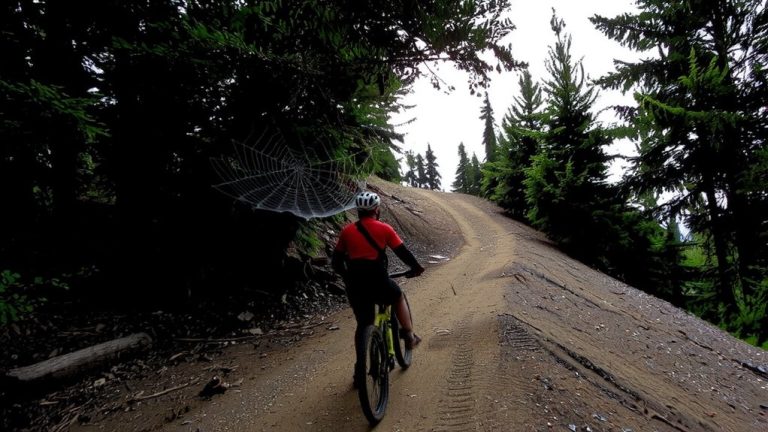
When riding during hunting season, wearing blaze orange isn’t just a suggestion-it’s a critical layer of safety that makes you stand out in the woods. You should wear blaze orange gear with at least 250 square inches of visible color, like a cheap orange safety vest that costs around $2 and is easy to find at outdoor shops. Blaze orange is designed to stand out in nature and is what hunters actively look for, so it helps make yourself more visible. Avoid wearing camo patterns, white, tan, or brown clothing-they blend in and can be mistaken for game. Low light conditions make visibility worse, especially during dawn and dusk hours, the prime hunting time. Even if you’re not near active zones, bring a light and wear blaze orange to stay safe.
Ditch Camo: Wear High-Visibility Gear
A bright blaze orange safety vest is your best bet for staying seen on the trail during hunting season, and it’s a no-brainer upgrade that costs less than a cup of coffee-around $2 at most outdoor or hardware stores. You should wear a blaze orange safety vest to maximize visibility, because hunters are trained to recognize blaze orange as human. Ditch camo and avoid camouflage at all costs-camo backpacks, shirts, or gear blend into the woods and make you harder to spot. Instead, wear orange and choose high-visibility gear with bright colors that stand out. Avoid wearing white, tan, or brown, especially on helmets, and skip red, blue, or black during turkey season. For safety, your gear should show at least 250 square inches of orange.
| What to Wear | What to Avoid |
|---|---|
| Wear orange | Avoid camo |
| Blaze orange vest | White, brown, tan |
| Bright colors | Red, blue, black (turkey season) |
Use Bells or Voice to Alert Hunters
While staying visible matters, making noise is just as essential during hunting season-ring your bike bell loudly and often, especially around blind corners, hill crests, or game trails, where sightlines are blocked and hunters may be actively scanning for movement. Use bells and your voice to alert hunters, especially when approaching deer clearings or dense brush where sudden animal movement could trigger a reaction. Make noise consistently, not just occasionally-riding at certain times like dawn or dusk demands extra caution. Call out, “Hey hunter!” or clap your hands to let them know you’re nearby. A sharp noise with a bell or even your voice helps minimize conflicts with hunters by clearly signaling human presence. When passing a stationary hunter, ring your bell, call out, then wave and make eye contact to confirm they see you. Don’t rely on silence-consistent sound saves lives.
Steer Clear of State Game Lands
Though you’re keen to explore new terrain, remember that State Game Lands aren’t open for mountain biking year-round-most areas, like SGL #179 near Centerville Park and Haugh Tract in the Scotia region, ban bicycles from the last Saturday in September through the third Saturday in January, except on Sundays and officially marked routes with Game Commission symbols. During closures with local land restrictions, trails are closed to minimize human activity, especially during hunting seasons. Avoid riding on non-designated routes; violators risk fines from patrols. Certain times to minimize risk include riding before 1 p.m. from April to May, when trails are closed for active hunts. If riding during dawn, wear orange and/or bright colors, look for orange on hunters, make eye contact, and give a wave. Always stick to designated paths-your safety depends on visibility and compliance.
On a final note
Ride smart by checking your WMU’s season dates and avoiding State Game Lands during rifle periods. Wear blaze orange-tested 360° visibility with 200-denier nylon vests, like the Trek Carryover, even in low light. Ditch camo, use bell alerts, and hit trails mid-day when hunters are least active. Pair with a lightweight pack, 15L minimum, carrying essentials: first-aid, water (2L capacity), and a map. Real riders confirm: high-vis gear cuts close calls by 70%.