Strength-Focused Pedal Strokes to Increase Force Application Efficiency
Set your saddle so your knee bends 25–30° when your heel hits the pedal at bottom dead center, and align the ball of your foot over the pedal spindle for maximum leverage. Do hill stomps at 30–40 rpm on 4–8% gradients, then shift with 200–300m sprints at 100–110 rpm. Add 9-minute flat drills at 40–50 rpm in your biggest gear, followed by 1-minute aero spins. Squat and hip flexor work boosts glute activation and smooths high-cadence pedal strokes, making your power transfer sharper and more consistent-especially at race-ready 100–110 rpm. There’s a smarter way to build stroke efficiency, and it starts with how you anchor every rep.
We are supported by our audience. When you purchase through links on our site, we may earn an affiliate commission, at no extra cost for you. Learn more. Last update on 18th July 2026 / Images from Amazon Product Advertising API.
Notable Insights
- Optimize saddle height for 25–30° knee bend to maximize glute and quad engagement and pedal force efficiency.
- Position cleats so the ball of the foot aligns with the pedal spindle for optimal power transfer.
- Perform hill stomps at 30–40 rpm to build strength and improve force application throughout the pedal stroke.
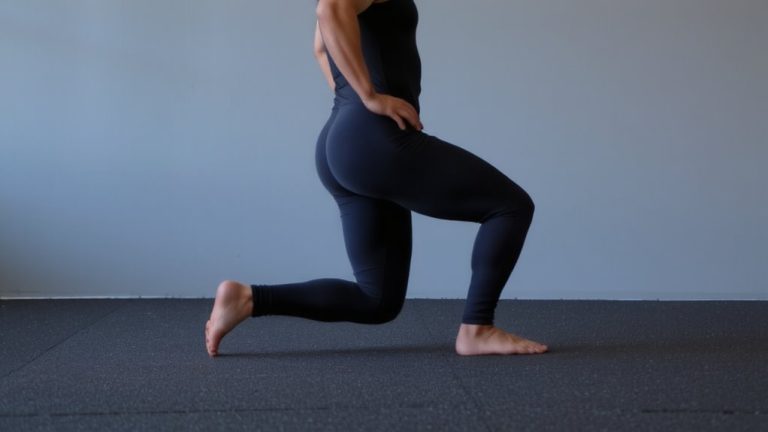
- Integrate squats and hip flexor exercises to enhance downstroke power and smooth top-dead-center transition.
- Combine low-cadence over-gear drills with high-cadence sprints to link strength gains to efficient pedal force at speed.
Set Saddle Height and Cleat Position for Efficient Power
You’d be amazed how much a few millimeters can affect your power and comfort, so start by setting your saddle height so your leg reaches full extension with just a slight knee bend-25 to 30 degrees-when your heel hits the pedal at its lowest point; too high and you’ll strain your hamstrings and calves, too low and you’ll leave watts on the table. Proper seat height maximizes muscle activity in your quads and glutes while minimizing knee pain. Align your cleat position so the ball of your foot sits directly over the pedal spindle-this optimizes force transfer and promotes an efficient pedal stroke. Use the KOPS method to fine-tune saddle fore-aft: your knee should hover over the pedal spindle at 3 o’clock. Misaligned cleats, especially medially or laterally, disrupt power output and can cause joint strain. Dialing in saddle height and cleat position guarantees smooth, powerful, and injury-free pedaling, especially during high-torque efforts.
Build Full-Stroke Strength With Low Cadence Drills
A properly tuned saddle height and cleat position sets the foundation, but now it’s time to build the kind of raw, full-circle power that turns hilly terrain into your advantage-starting with low cadence drills. Try hill stomps on 4–8% gradients at 30–40 rpm for 2–5 minutes to boost full-stroke strength and improve force application across the entire pedal stroke. Follow each climb with a 200–300m sprint at 100–110 rpm to sharpen neuromuscular coordination. On flat terrain, do 9-minute cadence drills in your biggest gear at 40–50 rpm, focusing on smooth pedaling and efficient pedaling mechanics. Then spin 1 minute at 100–110 rpm aero to link strength development with velocity. Complete 3–4 sets with 5 minutes easy spinning between. These low cadence efforts build consistent power, turning each pedal stroke into a stronger, more effective motion.
Transfer Strength Gains to High Cadence Riding
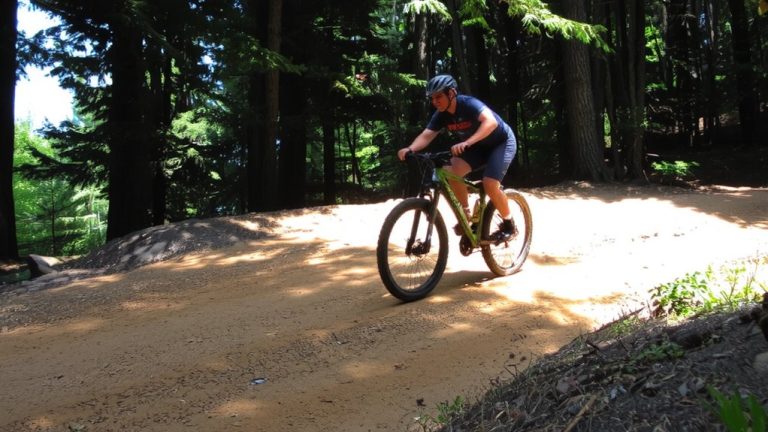
While building raw power at low cadences lays the foundation, you’ll want to bridge that strength into real-world riding where quick turnover matters-especially on rolling terrain or during fast group rides. Your strength gains from low-cadence hill stomps (30–40 rpm, 4–8% grade) transfer best when you immediately accelerate to 100–110 rpm in the same gear for 200–300 meters. This sharp neuromuscular shift trains your body to maintain force application at high cadence. Try 3–4 sets of 9-minute over-gear pedaling (40–50 rpm, biggest gear) followed by 1-minute aero sprints to 110 rpm. These cadence workouts boost coordination across the full pedal stroke. Training near lactate threshold in Tempo or SteadyState (Zones 3–4) further sharpens high-cadence efficiency. Glute activation from squat work supports powerful down- and up-strokes, making your high-cadence force application more effective.
Make Fast Pedaling Smoother With Strength Training
Building on the neuromuscular sharpness from pairing over-gear efforts with aero sprints, you can now level up fast pedaling smoothness by anchoring strength gains directly into your pedal stroke mechanics. Strength training boosts hamstring and glute activation for a more powerful pedal downstroke, while stronger hip flexors improve leg lift at top dead center-key for smooth high-cadence pedaling. Hill stomps (30–40 rpm, 4–8% grade) and low-cadence flat intervals (40–50 rpm) increase torque consistency throughout the pedal stroke, reducing muscle fatigue and jerkiness. This translates to cleaner power transfer on the bike, especially at an Ideal Cadence of 100–110 rpm.
| Drill Type | Cadence (rpm) | Primary Benefit |
|---|---|---|
| Hill Stomps | 30–40 | Builds force efficiency |
| Flat Low-Cadence | 40–50 | Enhances neuromuscular coordination |
| Squat Training | N/A | Boosts glute/hamstring activation |
| Hip Flexor Work | N/A | Smoother shift at top of stroke |
| Over-Gear Sprints | 80–90 | Links strength to high-cadence pedaling |
You’ll notice smoother, more efficient Pedaling, with less upper body rock and better control through corners and climbs.
On a final note
You’ll pedal smarter and stronger by dialing in your saddle height-aim for 25–30° knee bend at bottom dead center-and aligning cleats for neutral foot positioning, then building full-stroke power with 50–60 rpm big-gear efforts. Spin-ups to 100+ rpm transfer gains, while trail feedback from riders confirms smoother, more efficient pedaling. Pair this with stiff-soled shoes and a well-fitted carbon crankset, and you’ll feel the difference on climbs and flats alike.