Trail Markers Disappear? Backcountry Navigation Steps to Follow
Lost the trail past mile 1.5? Use a compass bearing, GPS watch (Fenix 7, Suunto 9 Peak) and apps like Organic Maps or Wikiloc to relocate the route safely. Read the steps.
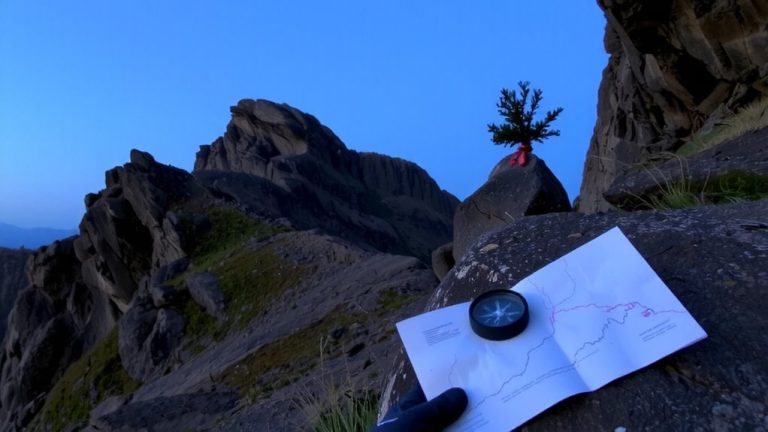
Lost the trail past mile 1.5? Use a compass bearing, GPS watch (Fenix 7, Suunto 9 Peak) and apps like Organic Maps or Wikiloc to relocate the route safely. Read the steps.
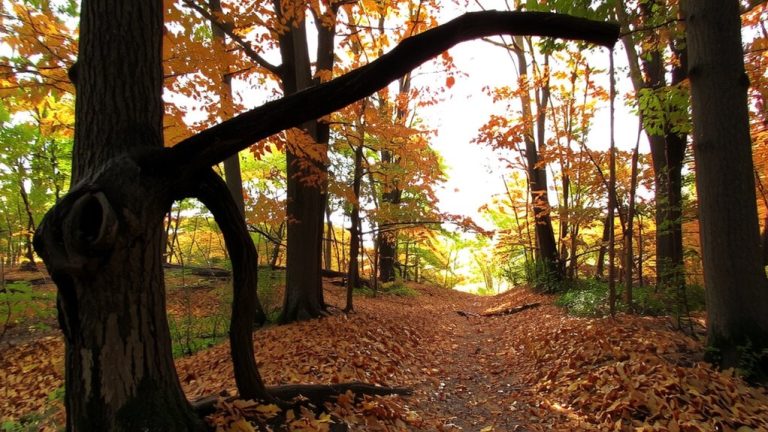
Trees that seem sturdy may hide deadly dangers—discover what makes fall foliage trails far riskier than they appear.
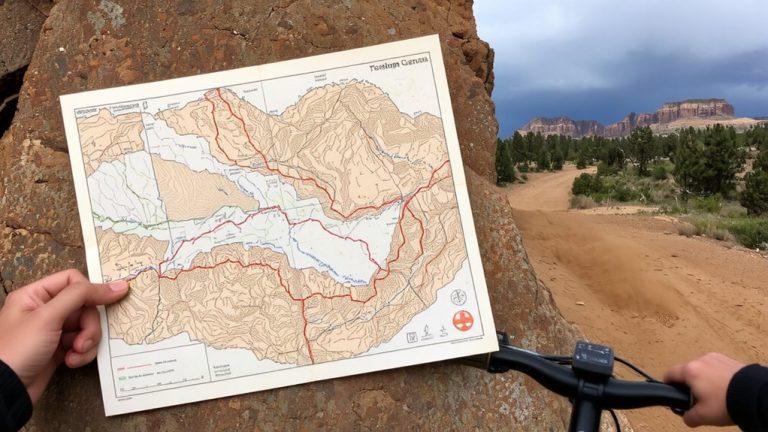
Avoid deadly washes and surprise floods—discover the smartest way to plot your monsoon-season ride in the Southwest. The safest trails aren’t where you’d expect.
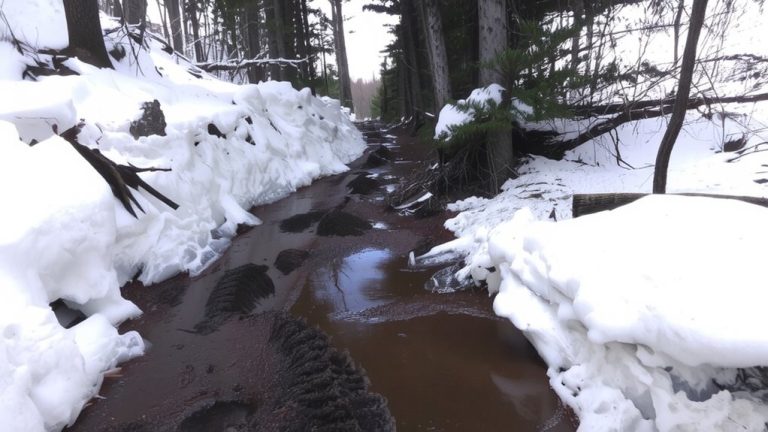
Leave your boots at the trailhead—learn how thawing paths turn treacherous and what to do when the ground can’t hold you.
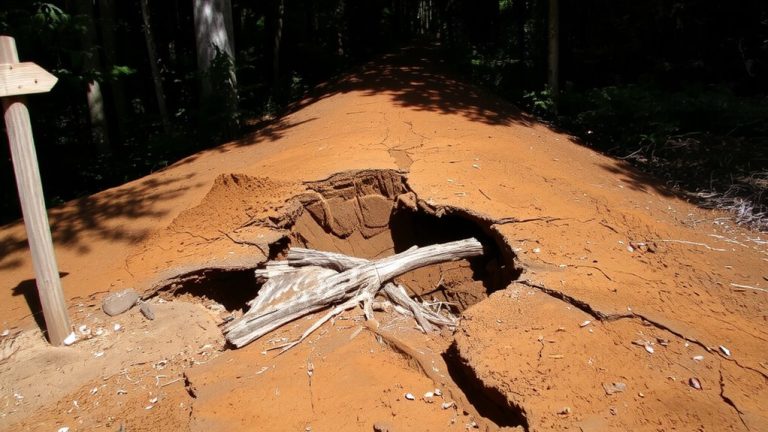
Though the trail feels unshakable beneath your wheels, something deeper is shifting—tectonic roots are weakening, and what you ride today may not survive tomorrow.
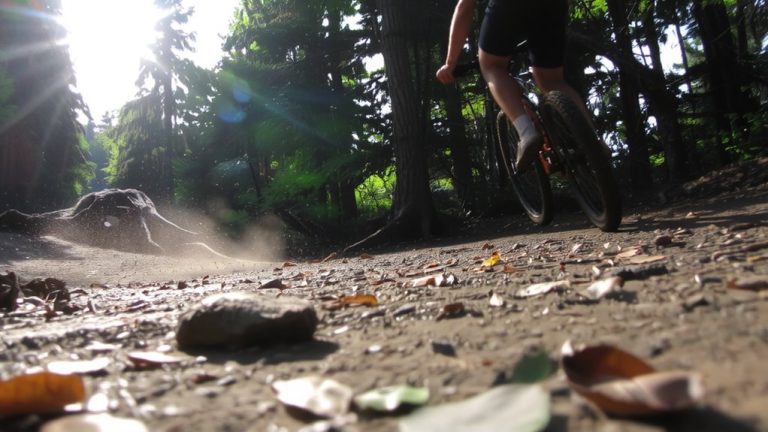
Because spotting trail hazards early means the difference between a safe ride and a dangerous surprise—discover how three seconds can save your journey.
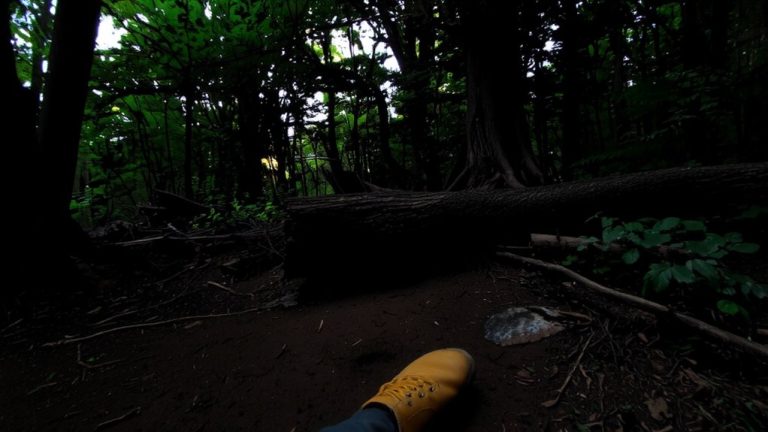
One moment everything feels fine—then your gut screams danger; here’s why listening could save your life.
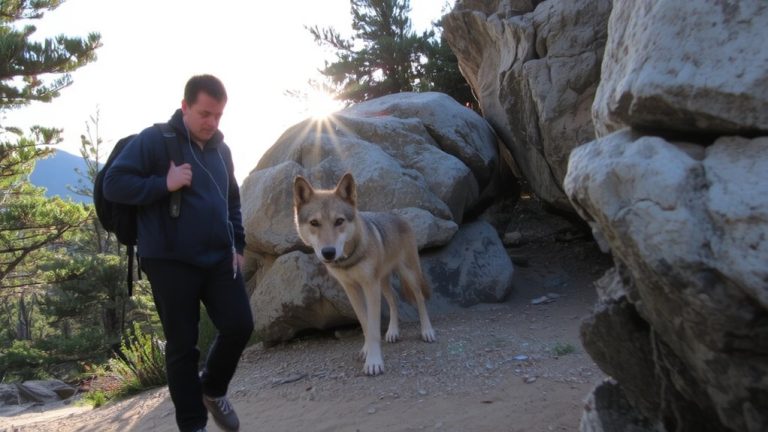
Don’t let your playlist be the last thing you hear—discover why headphones could silence life-saving sounds on remote trails.
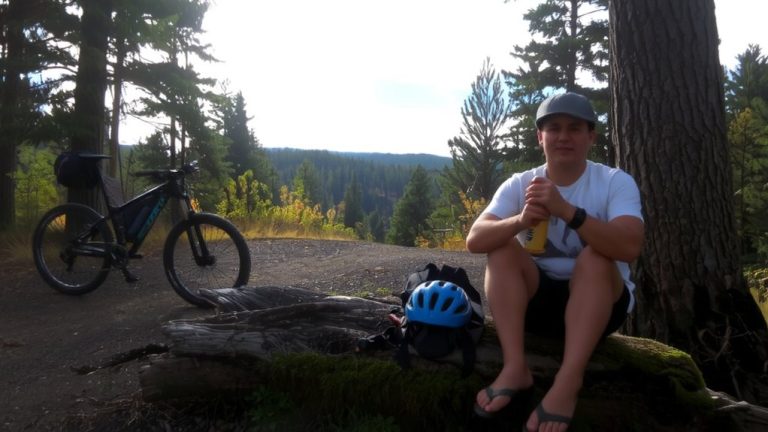
Long rides demand breaks—discover how 15-minute pauses every two hours slash crash risk and boost focus. What else keeps you sharp on the trail?
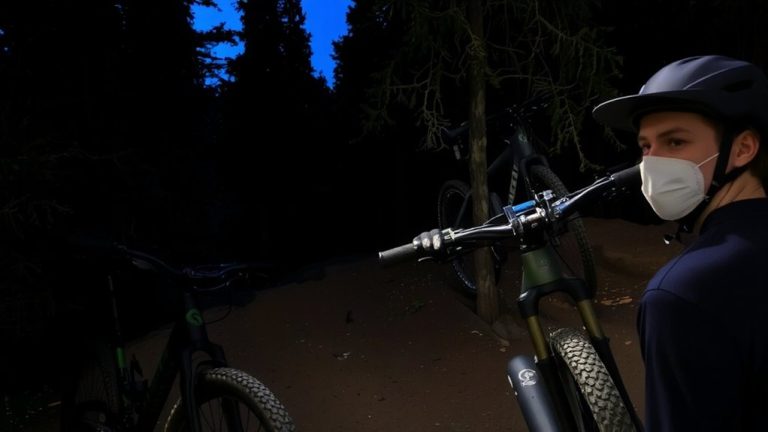
Mastering day navigation first reveals a hidden world—night riding demands trust, preparation, and sharp senses when shadows deepen and trails disappear.