Why Fall Foliage Season Increases Trail Hazards From Falling Branches
You’re at higher risk on trails during fall foliage season because wet leaves add weight, strong winds stress weakened trees, and snow loads strain canopies, especially in beetle-killed pines that snap without swaying. Cracks in trunks, hanging snags, and sawdust at the base are red flags. Saturated soil loosens roots, even under healthy-looking trees. Turn back if you hear cracking or see unstable limbs-safety trumps summit goals. Knowing the signs sharpens your instincts out there.
We are supported by our audience. When you purchase through links on our site, we may earn an affiliate commission, at no extra cost for you. Learn more. Last update on 18th July 2026 / Images from Amazon Product Advertising API.
Notable Insights
- Peak fall foliage coincides with wet leaves that add weight and stress to weakened branches.
- Dead trees damaged by pine beetles lose flexibility and are more likely to snap in autumn winds.
- Snow accumulation on tree canopies increases load, raising the risk of limb or tree failure.
- Saturated soils from fall rains reduce root stability, making even healthy-looking trees prone to falling.
- Bare branches in fall expose structural defects like cracks and snags that are hidden during leafy months.
Why Do More Branches Fall in Autumn?
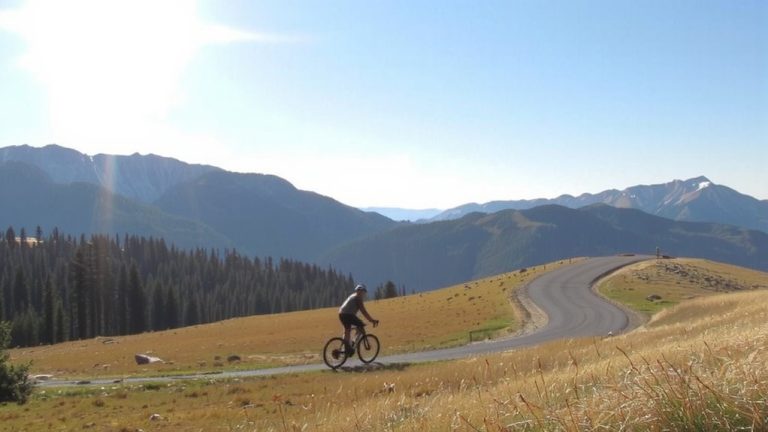
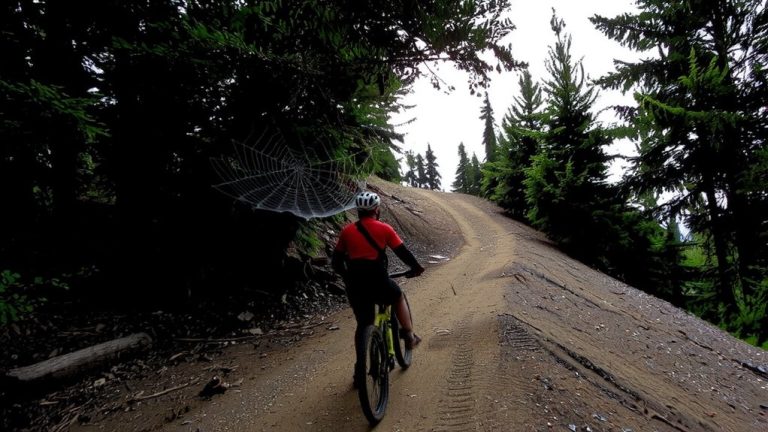
While autumn delivers stunning foliage, it also brings increased risks from falling branches, especially if you’re hiking or mountain biking through forests stressed by pests and weather. Dead trees weakened by invasive pine beetles lose flexibility, making them prone to snapping during peak season. Strong winds, combined with wet leaves and unpredictable weather, add stress, while snow accumulation increases canopy load. Saturated soil reduces root stability, raising the chance of falling trees-even healthy-looking ones. You might not hear the warning cracks, so checking the weather forecast before heading out is essential. Trails once safe can become dangerous fast. Falling leaves may dazzle, but don’t distract you from overhead hazards labeled “Widowmakers” by hikers. A lightweight helmet, like the Giro Range MIPS (320g), adds critical protection without bulk. Stay alert, assume nothing’s stable, and treat every forest pass beneath dead trees as high-risk, especially during gusty, wet conditions.
How to Spot Dangerous Trees on Trails
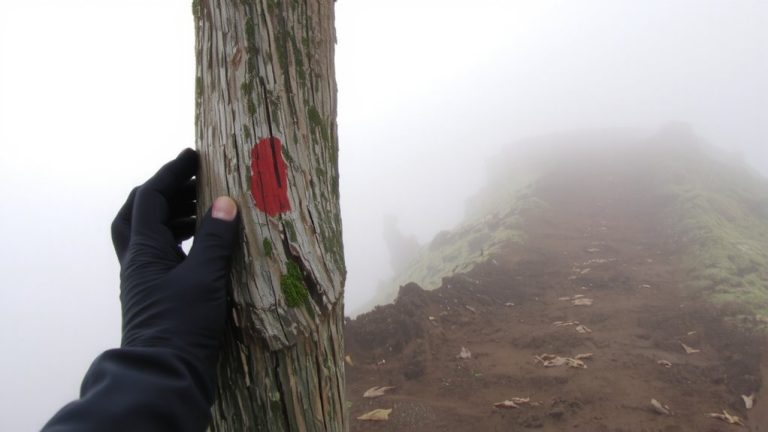
You’re out on the trail, soaking in the golds and reds of peak fall color, but keep your eyes up-some trees hiding in plain sight could be one gust away from collapsing. Watch for visible cracks in trunks or major limbs; three pines snapped at Pine Meadow County Park in just 30 minutes due to splits like these. Check for dead or hanging branches-snags-that don’t sway in wind and can drop without warning. Invasive pests like pine beetles leave sawdust piles or tiny holes, weakening trees from within and turning them into hazardous spots. After storms or heavy snow, avoid pines laden with weight; the added load from weather can trigger falling limbs. Leaves may be colorful, but bare branches expose the real dangers. Stay alert, especially where wind, snow, and insect damage combine-these stressors raise the risk of sudden tree or limb failure.
When to Turn Back on a Trail
How do you know when the trail ahead isn’t worth the risk? You hear a crack, see heavy snow on canopies, or spot beetle-killed pines swaying in high winds-turn back immediately. These signs increase the likelihood of falling branches or whole trees. Dead trees, or snags, still occur in burn areas and compromised forests, making every step risky. Don’t push forward if invasive pests or weather stressors are present. Make sure you got back before conditions worsen. Even experienced hikers abort trips when potential hazards multiply. Always plan your route with escape options and real-time weather checks. If winds howl and snow loads bend limbs, exit fast. Your safety-and getting home to a loved one-matters more than finishing the trail. Trust your gut, prioritize caution, and remember: no summit is worth the danger when the forest’s unstable.
What to Do If a Tree Starts to Fall
If you hear the sharp crack of splitting wood or see a tree swaying unnaturally, don’t wait-shout “Timber!” immediately to warn everyone nearby, just like hikers did during the close call at Pine Meadow County Park in December 2025, when three beetle-killed pines crashed within minutes under heavy snow load. Move fast at a 45-degree angle from the fall path, never straight away-dead trees snap without warning, especially in the crisp air of peak season. Keep an eye out for fallen leaves or leaves on sidewalks; they hide trip hazards and raise Slip and Fall risks. Stay aware to avoid personal injury while enjoying the vibrant colors. If in a group, spread the alert instantly. Once safe, report the hazard-burned or beetle-hit areas stay dangerous for years. Don’t let fun turn to managing the legal aftermath-stay sharp, stay safe, and keep enjoying the season without regret.
On a final note
Stay alert on trails this fall-dead branches drop without warning. Wear a lightweight helmet, like the Giro Range, and stick to well-maintained paths below 3,000 feet where winds are calmer. Keep your pack under 25 pounds for quick moves, and scan for cracked bark or bare limbs overhead. If you hear snapping, duck and roll. Trails like the Appalachian near Shenandoah see 40% more debris in October-timing matters.