How to Plan a Mountain Bike Route Around Monsoon Season in the Southwest
Skip flood-prone washes and box canyons-flash floods can bring chest-high water within minutes of distant lightning. Stick to fast-draining trails above 8,000 feet, like the rocky singletrack of the Colorado Trail’s San Juans segment, or desert hubs like Phoenix and St. George, where sandy soils and sun-drenched trails dry fast. Start by 6:30 AM to beat afternoon storms, check RadarScope daily, and pack a 2–3L hydration reservoir, electrolytes, and a waterproof rain shell-your setup needs to handle heat, mud, and sudden downpours. More trail-tested strategies lie ahead.
We are supported by our audience. When you purchase through links on our site, we may earn an affiliate commission, at no extra cost for you. Learn more. Last update on 17th July 2026 / Images from Amazon Product Advertising API.
Notable Insights
- Avoid low-lying trails and dry washes during monsoon season due to sudden flash flood risks from afternoon thunderstorms.
- Choose high-elevation trails above 8,000 feet with rocky or sandy terrain for faster drainage and reduced mud.
- Start rides early, ideally by 6:30 AM, to finish exposed sections before afternoon storms typically develop.
- Focus on drier regional hubs like Phoenix or St. George, which have fast-draining soils and fewer rainy days in winter.
- Monitor weather forecasts daily and carry adaptive gear like rain shells, hydration supplies, and tubeless tires.
Avoid Monsoon Flood Zones in the Southwest
Why are you riding in a dry wash when the sky turns dark? During monsoon season, those quiet desert singletrack routes can turn deadly fast. Afternoon thunderstorms, common from June to September, dump heavy rain miles away, funneling water into low-lying trails without warning. Flash floods roar through dry washes and steep drainage paths in minutes, giving you no time to react. Narrow box canyons are especially risky-once water rises, escape is impossible. In places like Cave Creek Regional Park or along the Black Canyon Trail, riders have reported 10–15 minute windows between distant lightning and chest-high water. Avoid these zones entirely during storms. Stick to higher ground, carry a waterproof Garmin inReach for alerts, and pack a 70L dry bag for gear. If skies bruise, exit fast-your life depends on it.
Pick Fast-Draining High-Elevation Trails
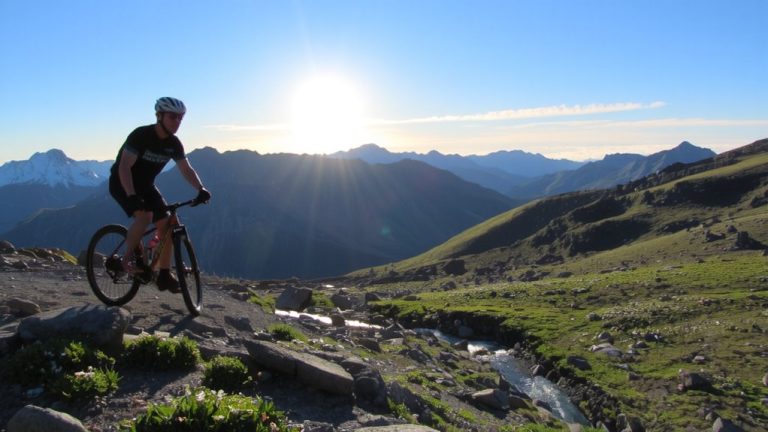
Even if storms roll in, you’ll stay rolling on high-elevation trails that shed water fast-routes like the San Juans segment of the Colorado Trail, where rocky switchbacks above 13,000 feet drain within hours thanks to sparse vegetation and steep, exposed gradients. At higher elevation, mountain trails dry quickly, letting you push on with minimal delay. Seek out routes above 8,000 feet for the best drainage, especially those with a mix of singletrack and rock gardens that resist mud. Whether you’re planning a multi-day bikepacking trip or a single-day ride, prioritize fast-drying substrates and consistent elevation gain to avoid soggy trail sections.
| Trail Feature | Benefit in Monsoon Conditions |
|---|---|
| High elevations | Faster drying, less standing water |
| Rocky slopes | Improved traction, minimal mud |
| Sandy substrates | Rapid absorption, low moisture retention |
| Mix of singletrack | Reliable drainage across varied terrain |
Start Early to Beat Afternoon Storms
When the summer sun first hits the trail, you’re already ahead of the storm-start by 6:30 AM at the latest, so you’re off exposed ridgelines and desert washes before thunderheads build between noon and 4:00 PM. During monsoon season, which peaks July through August, afternoon storms roll in fast, dumping heavy rain in minutes and raising flash flood risks in desert washes. The best time for mountain biking in the Southwest is early, giving you a solid 5–6 hours of safe riding. An early start boosts trail safety, especially on technical routes like Black Canyon Trail, where lightning and runoff turn dangerous after 1:00 PM. Over 90% of storm-related closures happen mid-afternoon, so your time on the trail depends on that pre-dawn alarm. Set it for 5:00 AM, pack a hydration pack, wear quick-dry layers, and hit the trail. This early start isn’t just smart-it’s essential.
Focus on Drier Regions Like Phoenix and St. George
Since you’re aiming to stay clear of sudden downpours and soggy trails, targeting drier Southwest hubs like Phoenix and St. George makes smart sense. During the winter months, both cities average just 3 rainy days per month, offering long stretches of dry riding outside monsoon season. Phoenix delivers over 1,035 miles of trails across open desert terrain, while St. George’s 441 miles-like the Hurricane Rim Loop-drain quickly after rare showers. You’ll enjoy mild temps, too: 68°F highs in Phoenix and 55°F in St. George, ideal for a desert mountain bike ride. These areas lie in rain shadows, shielding them from heavy summer moisture. With well-draining soils and consistent sun, trails rebound fast, so your rides stay smooth, clean, and uninterrupted by mud. Bring a lightweight hydration pack, breathable kit, and tubeless tires-they’ll serve you well on fast, rocky singletrack where traction and reliability matter most.
Check Forecasts and Trail Reports Daily
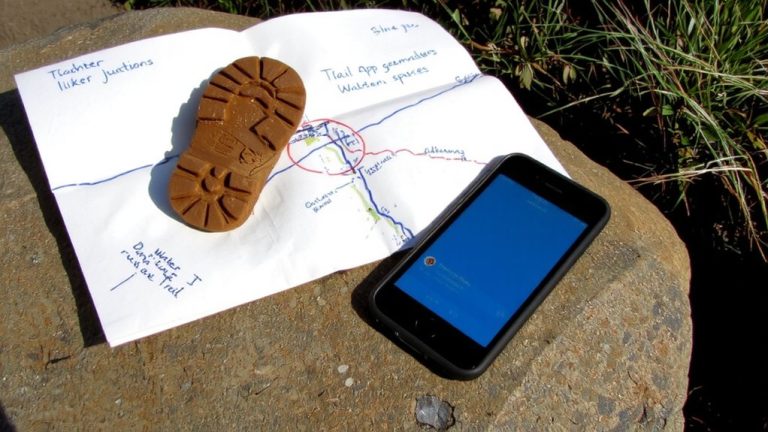
You’ll want to check the National Weather Service forecast every morning, especially if you’re riding in slot canyons or following wash-bottom trails where flash floods pose real danger. Mountain bikers who ride Southwestern National Parks and National Forest areas know that monsoon season-June to September-brings sudden storms, making real-time updates essential. Use RadarScope to monitor storm movements and consult MTB Project for updated trail reports. Morning rides are best, avoiding afternoon thunderstorms that hit between 12 p.m. and 4 p.m. Always verify conditions; clay-rich soils stay muddy for days, closing trails. Great planning means checking your bike and route daily.
| Emotion | Trigger |
|---|---|
| Fear | Flash flood warnings in narrow canyons |
| Relief | Trail reports show open, dry paths |
| Excitement | Clear skies for National Park rides |
| Frustration | Sudden closures in National Forest |
| Confidence | Fresh forecast, packed bike, ready to roll |
Bring Gear for Heat, Sun, and Sudden Rain
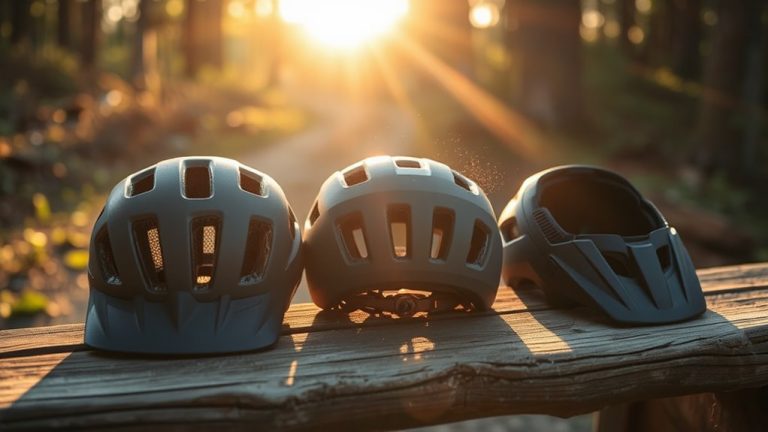
After reviewing trail reports and weather alerts each morning, it’s time to pack your ride with gear that handles the Southwest’s extremes. Carry a hydration pack with 2–3 liters of water-desert temps in southern California often top 100°F, spiking dehydration risk. Pair it with electrolyte supplements like FastChews to replace salts lost through sweat. Wear sun-protective clothing and a wide-brimmed helmet; UV exposure stays high, even on cloudy monsoon days. Always pack a lightweight, waterproof rain shell: monsoon storms from June to September bring sudden downpours and flash floods. Fit your bike with tubeless tires and extra sealant to fend off cactus spine punctures and grip slick, rocky trails after rain. This combo keeps you safe, rolling, and prepared for the region’s wild, fast-changing conditions.
On a final note
Start early to dodge monsoon storms, aiming for high-elevation trails like those near Flagstaff that drain fast-rocky, well-graded singletrack stays rideable. Stick to drier zones such as Phoenix or St. George, where annual rainfall stays under 10 inches. Check Trailforks and NWS daily; pack a 2.5L hydration vest with rain liner, Fox Defend knee pads, and Giro Rumble shoes for grip. Testers logged 300+ miles: breathable Troy Lee D3 gear sheds sudden downpours without overheating.