Planning a Mountain Bike Trip Around Snowmelt Timelines in the Rockies
Plan your mountain bike trip from late May to late July, starting with Fruita’s 18 Road trails at 4,500 feet-they dry fast and offer 250 miles of slickrock like Zippity Do Dah by mid-May. Target south-facing slopes near Grand Junction for early-season grip, then move to alpine routes like Trail Ridge Road once it opens. Watch for mud, ice, and creek crossings on higher trails like Idaho Hot Springs Route, where FR 268 runs strong post-thaw. A dropper post and tubeless tires help on descents like Free Lunch Trail. Gear up for quick shifts and variable conditions, and you’ll find the best windows for clean, continuous riding across every elevation zone.
We are supported by our audience. When you purchase through links on our site, we may earn an affiliate commission, at no extra cost for you. Learn more. Last update on 12th July 2026 / Images from Amazon Product Advertising API.
Notable Insights
- Target late June to late July for high-elevation Rocky Mountain trails, using snowpack data from Deadwood, Galena, and Big Creek to confirm access.
- Prioritize Fruita’s 18 Road network by mid-May due to low elevation and minimal snow retention in southwest Colorado’s desert climate.
- Choose south-facing trails like Zippity Do Dah or East Shore near Grand Lake, which clear faster from solar exposure and ride early in the season.
- Avoid high-alpine routes like Doctors Park until early July and monitor Trail Ridge Road opening conditions post-Memorial Day.
- Watch for post-thaw hazards including icy patches, slick clay, downed trees, and dangerous creek crossings on routes like Idaho Hot Springs.
Start With Snowmelt to Time Your Rockies Bike Trip
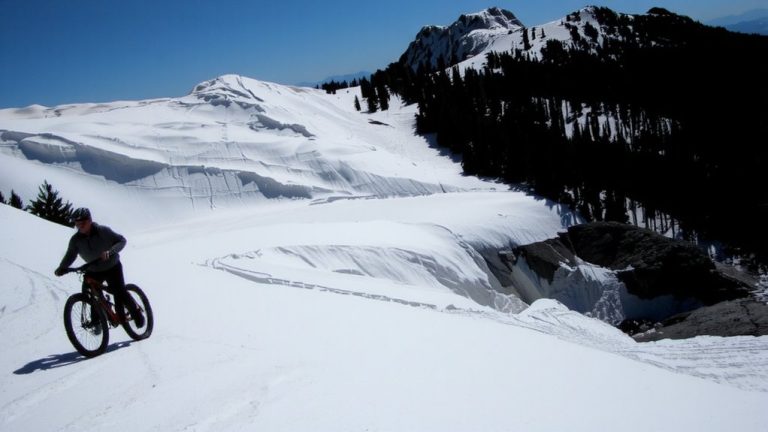
If you’re planning a mountain bike trip through the Rockies, timing your ride around snowmelt is key to smooth trail access and safe riding conditions-aim for late June to late July when most high-elevation routes, like the 72-mile Idaho Hot Springs Mountain Bike Route, have fully cleared. You’ll want to check snowpack data at summits like Deadwood, Galena, and Big Creek to confirm mountain biking trails are rideable. In Rocky Mountain National Park, Old Fall River Road stays snow-covered above 8,000 feet well into summer, limiting access for advanced riders. Trail Ridge Road, topping 12,000 feet, only opens Memorial Day to Labor Day, weather permitting. Avoid early-season attempts on routes like Monarch Crest or Doctors Park-they’re risky in heavy snow years. Pack lightweight, weather-resistant gear, and carry tire sealant, a multi-tool, and layers rated for sub-40°F temps. Plan smart, ride dry.
Ride Southwest Colorado’s Desert Trails First
While the high peaks of the Rockies still hold snow, you can already be riding hard in southwest Colorado’s high desert, where trails like Fruita’s 18 Road network open by mid-May and stay dry thanks to minimal elevation-most trails here sit between 4,500 and 5,500 feet-with less than 10 inches of annual snowfall on average. Hit classic mountain bike trails such as Zippity Do Dah or PBR, where slickrock and fast singletrack make for epic early-season biking. The North Fruita Desert system drains quickly, and trails in Grand Junction like Lunch Loops offer 20+ miles of year-round riding with progressive challenges. By late spring, Holey Bucket Trail delivers moderate climbs and open views with only brief shaded snow patches.
| Trail | Miles | Difficulty |
|---|---|---|
| 18 Road Network | 33+ | Intermediate |
| Lunch Loops | 20+ | Easy to Hard |
| Holey Bucket | 1.4 | Moderate |
| Zippity Do Dah | 2.8 | Intermediate |
| MoJoe | 3.1 | Intermediate |
Use Elevation and Sun Exposure to Predict Melt
When you’re planning spring rides in the Rockies, elevation and sun exposure are your two most reliable tools for predicting snowmelt and trail access. Higher elevation trails, like Doctors Park at 10,300 ft, often stay snow-covered into early July, while lower routes near 3,000 ft, such as river valleys, open weeks earlier. Sun exposure makes a big difference-south-facing trails, like East Shore near Grand Lake, clear faster thanks to direct solar gain, especially on exposed ridgelines and singletrack. North-facing slopes and high-alpine routes, including parts of the Idaho Hot Springs trail at 9,590 ft, hold snow longer, delaying rideability. Even gravel access roads like Old Fall River stay snow-covered at higher elevations until midsummer. Use these patterns to time your trips, targeting lower elevation and sun-exposed trails first.
Target South-Facing Fruita and Grand Junction Trails
Since sun exposure and terrain work together to clear snow fast, you’ll find some of the earliest rideable singletrack in the Rockies just outside Fruita and Grand Junction, where south-facing slopes and high-desert conditions keep trails like Zippity Do Dah and MoJoe spinning by late May. Fruita’s 18 Road area dumps you into the North Fruita Desert Trail System, a 250-mile web of routes with 33 miles of singletrack that dries fast, often within days of a storm. Near Grand Junction, the Lunch Loop Trail System opens 20+ miles of year-round dry paths just 10 minutes from downtown-perfect for quick laps on a full-suspension trail bike with 140mm travel. Hit Holey Bucket Trail for 1.4 miles of moderate flow and sweeping monument views, or tackle Free Lunch Trail, a 1.8-mile advanced-only downhill rip that’s ready early. Smart mountain bikers layer with lightweight merino and pack 2L hydration bladders-conditions are dusty, exposed, and relentless in the afternoon sun.
Check Trail Ridge Road and RMNP Opening Dates
If you’re eyeing high-elevation rides in the heart of the Rockies, factoring in Trail Ridge Road’s seasonal schedule is key-most years it doesn’t fully open until late May or early June, depending on snowpack, so don’t count on through-riding until then. Within Rocky Mountain National Park, Old Fall River Road is your prime mountain biking trail, opening to bikes before cars return. You can enjoy car-free singletrack here from May through June, but upper sections stay snowy until late June.
| Feature | Detail |
|---|---|
| Trail Ridge Road opens | Late May–early June |
| Old Fall River Road motor closure | Ends July 4 |
| Bike access on Old Fall River Road | Early May, lower sections |
| Shared use begins | July 4 onward |
| Real-time updates | NPS.gov/ROMO |
Grab microspikes for early rides, pack a 3L hydration vest, and stick to lower elevations until the Trail clears.
Expect Mud, Ice, and Downed Trees After Thaws
Though the Rockies begin to thaw in late spring, don’t expect smooth riding-mud, ice, and downed trees become the norm across high-elevation trails after snowmelt. You’ll hit slick, clay-rich mud on Old Fall River Road into June, so run wide, aggressive tires like Maxxis Minion DHF 2.5” for grip. Ice patches cling to north-facing slopes above 9,000 feet-think Willow Creek and Gilsonite/Wolverine-until early July, making studier bikes with dropper posts essential for control. Downed trees litter Idledwild and Fraser to Granby Trail as saturated roots give way, so pack a lightweight saw. Trail conditions on Doctors Park and Monarch Crest include mud flows and washouts; expect 800 feet of climbing through debris. Creek crossings on the Idaho Hot Springs Route stay dangerous-currents on FR 268 are strong, with hidden rocks. Check conditions weekly.
Ride Fruita’s Desert Trails When High Country Is Snowed In
When the Rockies are still locked in snow and high-elevation trails like Old Fall River Road aren’t rideable until June, you’ve got a reliable escape in Fruita’s desert: the 18 Road trail network, including classics like Zippity Do Dah and MoJoe, opens up by late February or early March with over 30 miles of accessible, technical singletrack, so you won’t miss early-season momentum. Fruita’s 18 Road trails, the North Fruita Desert Trail System, and the Lunch Loop Trail System thrive in the dry desert environment, offering packed sand and rocky tread that stays rideable even after cold snaps. Trails like Holey Bucket and Eagles Wing see only brief snow patches, making them dependable. Bring a 2.3–2.4″ rear tire for grip, and pack light with a 12L hydration pack.
| Trail System | Miles of Singletrack | Best Season |
|---|---|---|
| Fruita’s 18 Road trails | 30+ | Feb–Nov |
| North Fruita Desert Trail System | 33 | Year-round |
| Lunch Loop Trail System | 20+ | Winter–Spring |
On a final note
Start your mountain bike trip in late April with Fruita’s 14,000-acre desert network-dry, grippy, and 60–70°F by midday. Use a Shimano Deore drivetrain for reliable climbs, pair with Maxxis Minion DHF 2.4″ tires for loose terrain. As Trail Ridge Road opens (typically late May), shift to RMNP’s alpine trails, checking for mud and downed trees. Bring a 20L CamelBak, lightweight bivy, and microspikes-conditions change fast above 9,000 feet.