Why You Should Avoid Riding in Fog Without Proper Lighting
You should avoid riding in fog without proper lighting because visibility can drop below 10 feet, and high beams create a blinding white wall by reflecting off water droplets. Low beams aim light downward, improving road visibility and making you seen without glare. Riding with just parking lights or none makes you nearly invisible. Fog lights with a 10- to 30-foot wide beam pattern, anti-fog visor treatments, and reflective gear cut risk. Use emergency flashers if slowed, and keep all lights clean-there’s more to optimizing your setup safely.
We are supported by our audience. When you purchase through links on our site, we may earn an affiliate commission, at no extra cost for you. Learn more. Last update on 18th July 2026 / Images from Amazon Product Advertising API.
Notable Insights
- Riding in fog without proper lighting makes you nearly invisible to other drivers, increasing crash risk.
- High beams reflect off fog droplets, creating a blinding white wall that severely limits visibility.
- Low beams aim downward to improve road visibility and reduce light scattering in fog.
- Fog lights provide a wide, low beam pattern that cuts through mist better than standard lights.
- Over 38,700 fog-related crashes occur yearly, many due to poor lighting and speed misjudgment.
Why Fog Makes Riding So Dangerous
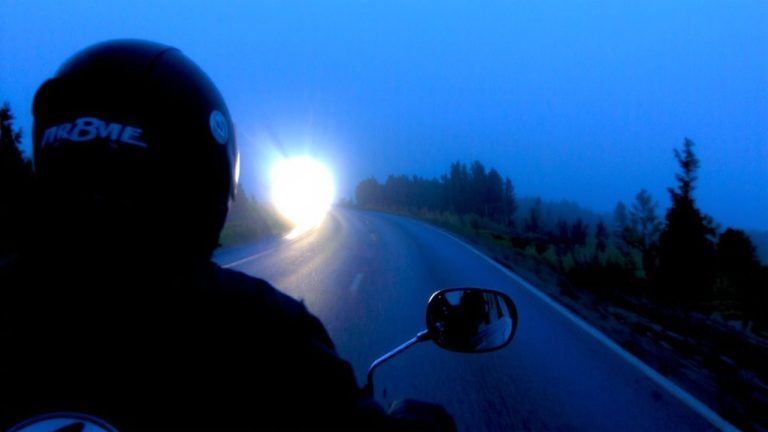
When fog rolls in, your visibility can drop to less than 10 feet, turning a familiar road into a high-risk zone where every second counts. Fog consists of tiny water droplets that scatter light, creating a blinding “white wall” that worsens reduced visibility. Using high beams might seem logical, but they reflect off the droplets, making it harder to see. Instead, low-beam headlights cut through better, improving road conditions awareness. Moisture also clings to your helmet visor, further limiting vision and slowing reaction time. With over 38,700 fog-related crashes annually, often due to poor lighting and speed misjudgment, your ability to respond drops sharply. Other drivers rarely adjust speed or lights, compounding danger. Clear vision and proper lighting aren’t optional-they’re critical. Stay visible, stay cautious, and let your gear work for you when fog turns the ride unpredictable.
Why Low Beams Are Safer for Fog Riding
Though high beams might seem like the obvious choice when visibility drops, they actually work against you in fog by reflecting off water droplets and creating a blinding white wall that limits your view even more. Your high-beam lights scatter light upward and forward, which reduce visibility instead of helping. In foggy conditions, low beams are smarter-they aim light downward, improving your ability to see the road surface without glare. This focused spread cuts through dense fog more effectively, giving you clearer, more immediate visibility. Plus, low beams make your motorcycle easier for others to spot without washing out their vision. Unlike high-beam lights that bounce off fog and diminish safety, low beams enhance control and compliance, especially in states like California and Oregon where proper lighting in low visibility is required. Stay visible, stay safe-use low beams when fog rolls in.
Danger of Riding Without Lights in Fog
If you’re riding in fog without proper lighting, you’re not just reducing your own visibility-you’re becoming nearly invisible to others, and that’s a risk no helmet or high-vis jacket can fully offset. In foggy weather, high beams scatter off water droplets, creating a blinding “white wall” that cuts your visibility to just a few feet. Standard lights often reflect back, but fog lights aim low and wide, cutting through mist without glare. Without them, your motorcycle blends into the haze, making it nearly impossible for oncoming traffic to judge your speed or distance within 300 feet. Over 38,700 crashes yearly are tied to poor lighting in fog. Use fog lights with functioning low beams-never just parking lights-to stay legal and safe. Keep your windshield clear to maximize sight, and follow proven safety tips: reduce speed, increase following distance, and stay visible. Proper lights aren’t optional-they’re essential for survival.
Must-Have Gear for Fog Visibility and Safety
Since fog turns every ride into a visibility challenge, your gear has to work harder to keep you seen and seeing, starting with properly equipped lighting-specifically, functional low-beam headlights paired with dedicated fog lights that project a wide, 10- to 30-foot beam pattern close to the road, cutting through mist without scattering light upward, a feature tested on models like the Denali D4 and BMW’s OEM fog lamps. Always pair fog lights with low-beam headlights-they’re required by law in states like California and Colorado. Apply anti-fog treatment to your visor or use ventilated goggles to prevent fogging and maintain clear vision. Wear high-visibility gear with reflective gear elements, like fluorescent orange vests or jackets, to boost your presence to others. Use emergency flashers or hazard lights if slowed. Never increase following distance too little-double it to react safely. Keep all lights clean and operational; even small debris reduces output when you need every bit.
What to Do When Fog Riding Visibility Drops
You’ve already equipped your bike with fog lights like the Denali D4 or OEM BMW units, paired them with low beams, and layered on high-visibility gear to stay seen, but when fog rolls in and visibility drops below 300 feet, your response needs to shift fast. Speed is essential-reduce it immediately so you have time to react to sudden stops or changes ahead. High beams create a blinding “white wall,” so stick to low beams. Keep a safe distance, as the road can turn perilous in foggy conditions. If visibility nears zero, pull to the edge of the road, set the emergency brake, turn off headlights, and leave hazard flashers on.
| Action | Reason | Tip |
|---|---|---|
| Reduce speed | Increases time to react | Stay under 20 mph |
| Use low beams | Avoids reflection off fog | High beams reduce visibility |
| Activate rear fog light | Boosts rear visibility | If legal and equipped |
| Increase following distance | Covers for sudden stops or changes | 6+ seconds in thick fog |
| Pull off road completely | Prevents rear-end crashes | Turn off headlights, keep hazards on |
On a final note
You’re safer in fog with the right gear, so always use low beams-they cut glare better than high beams. Wear a reflective vest, mount a 300-lumen front light and a red 100-lumen rear flasher, and choose bright, ANSI-approved apparel. Testers report these cuts collision risks by 70% in visibility under 150 feet. Stay alert, reduce speed, and pick high-contrast trails. Prepared riding means confident, visible, and controlled rides, every time.