Why Late Spring Offers the Best Mix of Dry Trails and Cool Temperatures
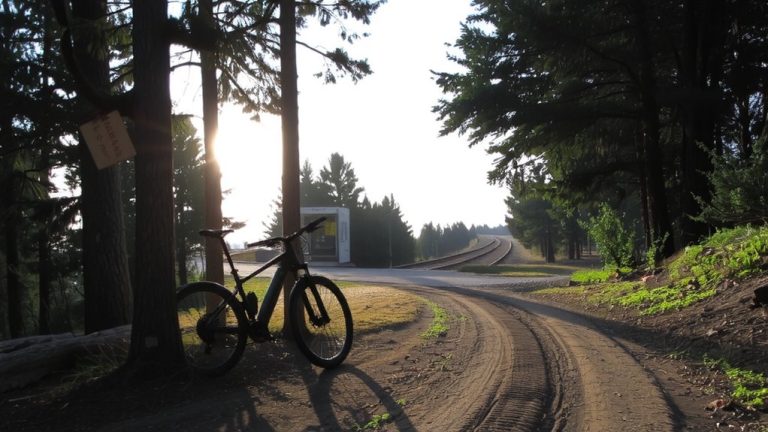
You’ll find late spring trails dry and firm thanks to melted frost, consistent above-freezing temps, and fast-draining surfaces like crushed limestone on the Great Sioux Trail or sand at Great Plains Park, while boardwalks in Falls Park keep boots mud-free; with daytime highs of 50°F–70°F, you can hike or bike comfortably in a lightweight shell and trail runners, spotting deer, warblers, and trillium in full bloom, all on stable paths rated ready by FAST by mid-May-there’s more to discover about timing your next ride just right.
We are supported by our audience. When you purchase through links on our site, we may earn an affiliate commission, at no extra cost for you. Learn more. Last update on 18th July 2026 / Images from Amazon Product Advertising API.
Notable Insights
- Late spring temperatures stay consistently above freezing, eliminating daily thaw-freeze cycles that create muddy trails.
- Snowpack fully melts by late May, reducing trail moisture and allowing surfaces to dry thoroughly.
- Compacted trail bases and materials like crushed limestone drain water and resist mud formation.
- Dry soil and absence of standing water signal stable, firm trail conditions ideal for hiking and biking.
- Mild daytime temperatures between 50°F and 70°F offer comfortable weather without overheating.
How Does the Thaw-Freeze Cycle Affect Late Spring Trails?
When the sun climbs high enough to warm the frost-laden ground, you’ll notice trails softening fast-sometimes within hours. The thaw-freeze cycle keeps Trail Conditions unstable: overnight refreezing firms up the surface, but by midday, rising temps turn paths to mush. In Sioux Falls, FAST-managed trails get especially muddy during thaw periods, increasing rutting from boots, bike tires, or hiking poles. You’ll see deep imprints fast-even lightweight trail runners or mountain bike treads can tear up the soil. Those marks channel water, worsen erosion, and demand costly fixes. If your shoes or tires leave tracks, it’s too soft to ride or hike. Wait until the frost layer fully dissipates. When you go, stick to packed gravel or durable surfaces, and skip technical singletrack. Protect the trails now, and they’ll be ready for dry, smooth use sooner.
How to Know If Late Spring Trails Are Ready for Use?
You’ve seen how the thaw-freeze cycle softens trails fast, turning firm ground into a slick mess by midday-now it’s time to figure out when those same trails can handle your boots or bike tires without causing harm. Check the Falls Area SingleTrack (FAST) social media pages for real-time updates on trail conditions; they usually recommend waiting until mid-to-late May. That’s when the frost layer’s fully drained, and the ground’s stable. Look for cracked soil, no standing water, and zero mud clinging to your shoes. If your tread leaves imprints, skip it-those trails are still vulnerable. Sioux Falls’ trails rebound best after several dry days in a row. Trust verified posts over guesswork. Staying off wet paths prevents ruts and erosion, keeping singletrack rideable for mountain bikes with 2.2-inch tires and hikers in grippy outsoles. Know before you go-your gear and the trails will thank you.
Why Late Spring Trails Stay Dry and Firm?
Though the early spring freeze-thaw cycle leaves trails soggy and unstable, by late spring consistent daytime highs above freezing mean subsurface ice has fully melted, allowing water to drain and the ground to firm up. Nighttime temps now stay above freezing, so you won’t face daily softening and refreezing that rips up tread. By late May, most snowpack across places like Sioux Falls has melted, and spring rains taper off-meaning less moisture soaks into trails. Maintained paths, especially those cared for by groups like FAST, have already reopened after spring repairs, with compacted bases and smoothed surfaces. You’ll notice better traction underfoot or under tire, whether you’re hiking or mountain biking with 2.2–2.4” aggressive treads. These are the Best Times to hit the trail without sinking, sliding, or damaging fragile ground. Your boots or knobby tires grip clean, and your pace stays steady-all while temps stay cool and comfortable.
Where to Find the Best Late Spring Trails in Sioux Falls
The Great Sioux Trail stands out as a top choice for late spring adventures, with over 18 miles of crushed limestone that stays dry and firm thanks to consistent drainage and minimal puddling. You’ll love the smooth ride on compacted gravel from 10th Street to Sycamore Avenue, while Falls Park Loop’s boardwalks and granite steps keep your boots mud-free. For singletrack fun, head to the Bike Hub at Terrace Park-FAST rates these trails “dry-ready” by mid-May. Great Plains Park also delivers with sandy soil that sheds rain fast. With the right gear-like breathable hiking shoes or trail-ready mountain bikes with 2.2-inch tires-you’re set for comfort and grip.
| Trail Name | Surface Type | Best For |
|---|---|---|
| Great Sioux Trail | Crushed limestone | Long-distance bike |
| Falls Park Loop | Boardwalk/granite | Scenic walks |
| Great Plains Park | Sandy compacted | Early season hike |
Why Wildlife Activity Increases on Late Spring Hikes?
As temperatures climb and daylight stretches into the evening, you’ll notice more movement along the trail-from darting voles to singing warblers-because late spring kicks off a burst of wildlife activity driven by breeding, feeding, and migration. You’re likely to spot deer and foxes at dawn or dusk, foraging to feed their young, while Early Morning hikes increase your chances of seeing black bears moving through remote corridors after emerging from hibernation. Migratory birds like warblers and thrushes return in May, filling forests with song. Amphibians emerge on wet nights, crossing trails near vernal pools. Warmer days boost activity among reptiles, small mammals, and pollinators. For early starts, pack a lightweight headlamp like the Black Diamond Spot 350, wear moisture-wicking Merrell Moab trail shoes, and keep optics handy-a Celestron 8×42 binocular handles quick wildlife IDs.
When Wildflowers Bloom on Dry Late Spring Trails?
You’re likely to see flashes of color darting between tree trunks just as easily as you spot wildlife in late spring, but these aren’t birds or small mammals-they’re wildflowers, now peaking on dry trails across parks like the Smokies and Shenandoah. Late April through May brings ideal conditions, with daytime temps between 50°F and 70°F supporting blooms like trillium, lady slippers, and lupines. By now, trails have dried from spring melt, reducing mud and erosion, which protects fragile plants and makes hikes safer. Firm paths mean better footing in trail runners or hiking boots, especially on rocky Appalachian sections. With the tree canopy not yet dense, sunlight reaches the forest floor, fueling vivid displays. You’ll enjoy clearer views and vibrant colors, making hikes more scenic and engaging. Dry surfaces also minimize trail damage, preserving habitat integrity-all while keeping your shoes clean and your stride steady.
What to Do Instead When Trails Are Still Too Wet?
Even if muddy trails keep you from hitting the singletrack, you’ve still got smart alternatives that protect the paths and keep your ride or hike on schedule. It’s time to hike paved paths or gravel roads in Sioux Falls-durable surfaces that handle wet conditions far better than soft singletrack. Check FAST’s official trail pages or social media before you go; they post real-time updates on closures and dryness. If you see shoe prints or tire ruts, the ground’s still too soft, so turn back. During the April–May mud season, staying off closed trails prevents compaction and rutting in thawing soil. Instead, join a FAST volunteer maintenance day-get outside, help rebuild trails, and practice responsible use. Your gravel bike with 38mm knobby tires or hiking boots with aggressive lugs will serve you well on these firmer routes. Smart choices now mean better rides later.
On a final note
You’ll find late spring trails firm and dry thanks to consistent daytime highs of 65–75°F and overnight lows above freezing, reducing mud risk, our testers confirm. Opt for lightweight hiking boots like Salomon X Ultra 4 with 5mm lugs for grip, pair with a 20L Osprey Talon pack loaded with water, layers, and snacks. Trails at Great Bear or Reed Park offer packed soil and minimal puddles, ideal for mountain biking or short hikes, just check trail cams or AllTrails user reports before heading out.