Using Trail Ratings to Match Trails With Your Skill Level and Bike Setup
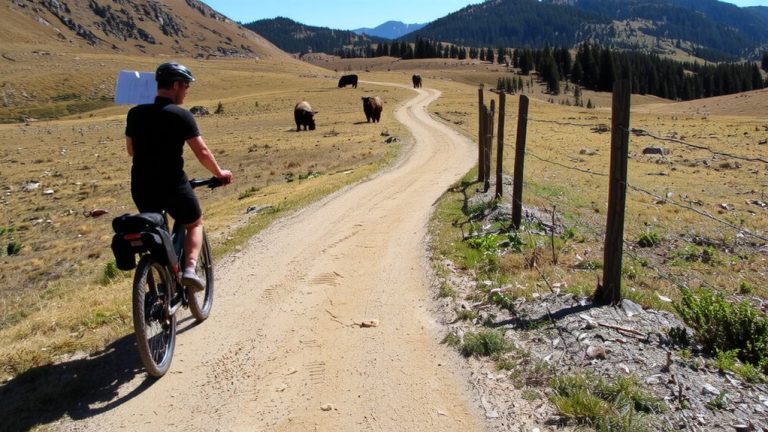
You match trail ratings to your skill and bike to ride safer and with more confidence. Green trails need just basic control, so a hardtail or gravel bike with 100mm travel works fine. Blue trails demand 130–140mm suspension and steady handling through roots and rocks. Black diamonds require 150–160mm enduro bikes with slacker geometry for drops and switchbacks. Double black diamonds? Only expert riders on 160–180mm downhill rigs should try them. Wet roots, loose rock, or poor tread can push trails one level harder-your gear and ability must adjust. Conditions change everything, and knowing how keeps you in control while accessing what’s next.
We are supported by our audience. When you purchase through links on our site, we may earn an affiliate commission, at no extra cost for you. Learn more. Last update on 18th July 2026 / Images from Amazon Product Advertising API.
Notable Insights
- Match green circle trails to beginner skills and use hardtail or gravel bikes for smooth, wide paths.
- Ride blue square trails with intermediate ability and a 130–140 mm travel bike for moderate technical features.
- Tackle black diamond trails only with advanced skills and a 150–160 mm enduro bike for steep, technical terrain.
- Reserve double black diamond trails for expert riders using 160–180 mm downhill or enduro bikes with high control.
- Adjust for trail conditions like mud or loose gravel, which can increase difficulty beyond the rated level.
What Do Mountain Bike Trail Ratings Mean?
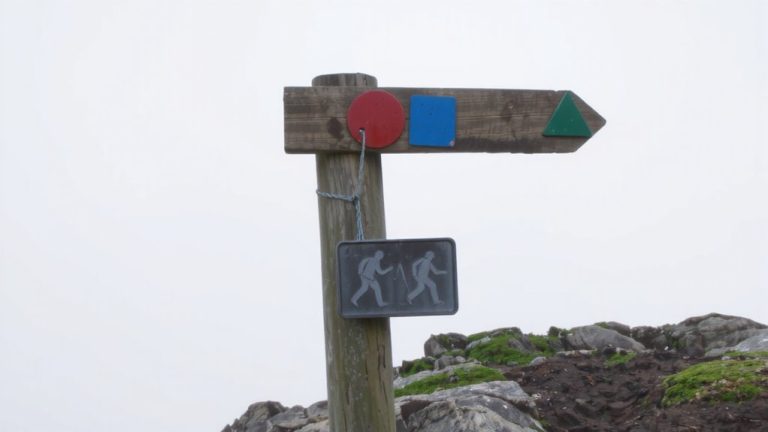
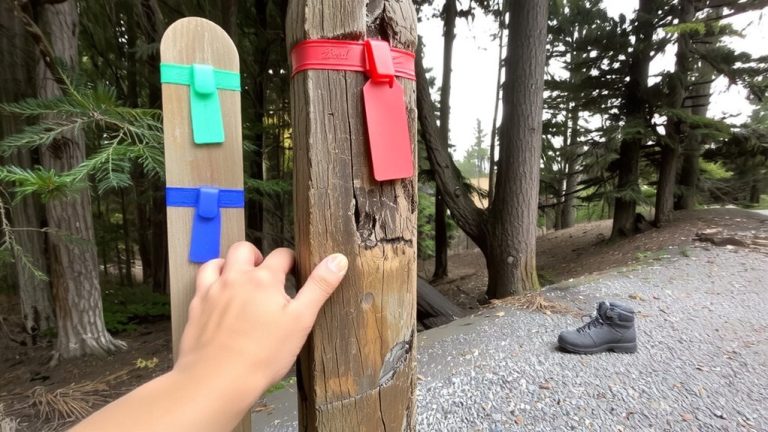
Ever wonder why some trails feel totally manageable while others leave you white-knuckled and out of your depth? The mountain bike trail difficulty rating system helps you know what to expect before you roll out. Most trail ratings use a colour-coded grading: green trails (easy) suit beginners with smooth, wide paths and minimal obstacles. Blue square trails step up for intermediate riders, adding roots, rocks, and small drops. Black diamond means serious technical difficulty-steep grades, big drops, tight switchbacks-built for advanced riders. You won’t see a red trail in North America; that’s more common overseas. The IMBA Trail Rating System measures tread width, surface, grade, and obstacles to standardize ratings, though regions still vary. Always check local trail ratings-they’re your best clue to matching trail challenge with your real-world skill level.
How Do You Match Your Skill to Trail Ratings?
You already know how trail ratings work, but putting that knowledge into practice means matching your actual riding ability to the right trail classification. The IMBA grading system helps riders assess difficulty using trail grades, from Green Circle for beginners to Double Black Diamond for experts. If you’re new to mountain biking, stick to green trails-they’re wide, smooth, and low-angle, perfect for building confidence and basic bike handling. Blue Square trails suit intermediates, introducing roots, rocks, and steeper sections that test your control. Black Diamond and double black diamond are serious technical trail challenges, with drops, jumps, and tight turns requiring sharp skills. Always consider local trail conditions, as wet weather or poor maintenance can bump up difficulty. Know your limits, respect the trail rating, and progress only when you’re consistently comfortable.
Which Bike Fits Each Trail Rating?
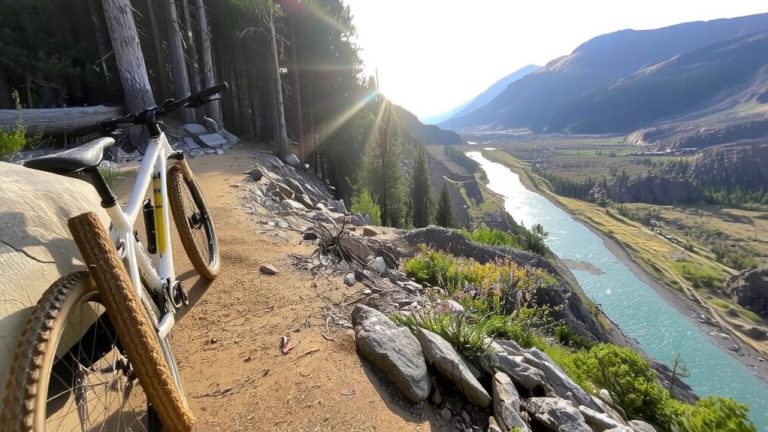
While smooth green circle trails won’t push your bike to the limit, picking the right rig still matters for comfort and control, and you’ll find hardtails, short-travel full-suspension models, or even capable gravel bikes are ideal here-they’re lightweight, efficient, and responsive on flat, wide paths with minimal obstacles, letting you focus on learning braking, cornering, and balance without overcomplicating things with excessive suspension or aggressive geometry. As you step up through the trail rating system, your bike needs to match: blue square trails call for a 130–140 mm trail or full-suspension XC bike to handle moderate technical features. Black diamonds demand 150–160 mm enduro rigs with slacker head angles for steep, unforgiving terrain. And for double black diamond trails-especially in a bike park-you’ll need 160–180 mm of travel on a downhill or enduro bike built for big drops and high-exposure sections. Picking the right bike keeps your mountain biking adventure safe, confident, and fun across every trail rating.
How Do Trail Conditions Affect Trail Difficulty?
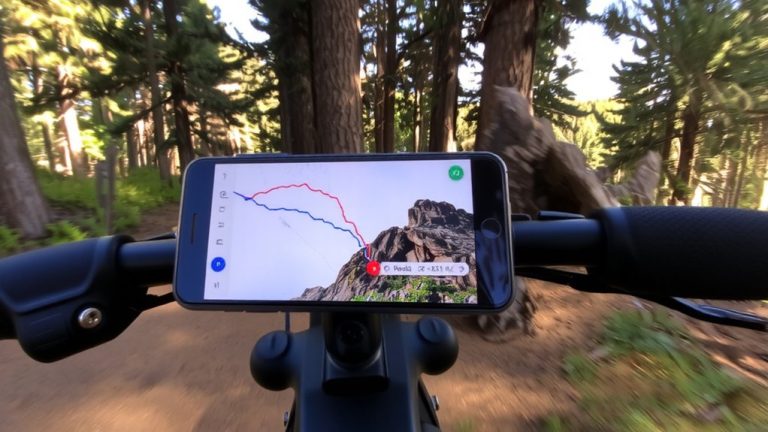
What makes a trail feel suddenly tougher than its rating suggests? Trail conditions can turn trails that match your skill into physically demanding challenges overnight. Wet weather turns packed dirt into slick mud, especially in Duluth where green routes become slippery descents. Loose gravel on corners or technical sections reduces traction, making even blue trails ride like black ones. Rain, snowmelt, or leaf cover can hide trail markings and obstacles, increasing the risk of misjudging trail difficulty. Freshly built or poorly maintained paths often have surprise ruts and roots that push different difficulty levels beyond their stated trail ratings. Cold, hard-packed surfaces reduce grip, while hot temps soften dirt for better tire performance. Always check conditions before riding-your helmet, tire choice, and suspension setup should match not just the trail rating, but the current trail difficulty.
On a final note
Know your limits and your bike, then match them to the trail rating. Green trails suit new riders on hardtails with 100mm travel; blue trails demand mid-level skills and 120–130mm suspension; black trails require aggressive geometry, 140mm+ travel, and practiced handling. Always check trail conditions-mud or rocks add difficulty. Carry a 10–12L hydration pack with a 3L reservoir, spare tube, multi-tool, and pump. Ride smart, stay safe, and progress confidently.