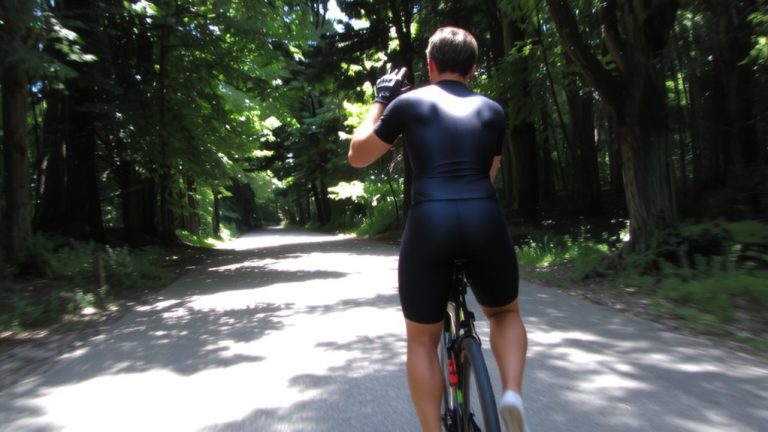
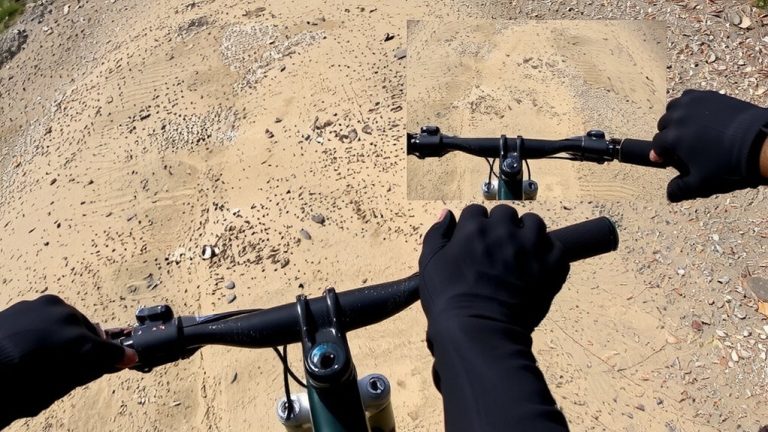
Bracing for Impact: Protective Gear Essentials Beyond Just Helmets
You need more than a helmet-over 60% of off-road crashes hit areas like knees, elbows, and spine. CE-certified knee guards like the Leatt 3DF 5.0 or 6.0 Evo EXT deliver Level 2 protection, absorbing impacts with 3DF foam and hard shells. Elbow pads with 3DF foam, gloves with D3O, shatterproof eyewear, and ankle-supporting boots cut injury risks. A neck brace can reduce cervical forces by up to 50%. Pair softshell flexibility with hardshell defense where it counts, and find out how your riding style shapes the ideal setup.
We are supported by our audience. When you purchase through links on our site, we may earn an affiliate commission, at no extra cost for you. Learn more. Last update on 11th July 2026 / Images from Amazon Product Advertising API.
Notable Insights
- Over 60% of off-road crashes affect areas other than the head, making full-body protection critical.
- CE-certified knee and elbow pads with 3DF foam reduce joint injuries during technical terrain impacts.
- Spine protectors with CE Level 2 certification withstand high-force impacts and shield the entire back.
- Gloves with D3O foam and reinforced palms prevent 40% of hand injuries in crashes.
- Neck braces cut cervical spine forces by up to 50%, adding vital protection beyond full-face helmets.
Why You Need More Than a Helmet
While helmets slash your risk of brain injury by nearly 70%, they won’t protect your knees, elbows, or spine-areas where over 60% of off-road crashes actually strike. You need full-body protection, not just a lid. Your protective gear should include CE-certified impact protection for joints and critical zones. Knee and elbow pads, like the Leatt 3DF 5.0 Flint Zip, guard against common trail impacts. For your back and spine, consider body armor with CE EN 1621-2 Level 2 certification-Leatt’s 6.0 Evo series cuts spinal impact forces by up to 30% over Level 1. Gloves with D3O or 3DF foam prevent 40% of hand injuries. And don’t forget your neck: without proper support, your cervical spine remains vulnerable even with a full-face helmet. Complete protection means thinking beyond your head-it’s about staying safe from trailhead to downhill finish.
How Knee Guards Prevent Trail Injuries
Your knees take a serious beating when you’re pushing through rocky chutes, skidding on loose descents, or bailing during a technical section-so skimping on knee protection can turn a fun ride into a long recovery. Knee pads like the Leatt 3DF 5.0 Flint Zip use CE-certified 3DF foam to deliver impact protection without bulk, and the zip design means you can get them on and off fast, no boot removal needed. Trail riders benefit from lightweight, breathable fits like the 3DF Black 5.0, while gravity-focused styles demand protection with hard shells and maximum coverage, such as the Leatt 6.0 Evo EXT’s full CE Level 2 rating. Articulated designs, D3O foam, and moisture-wicking liners keep you stable and comfortable, no matter your riding style. These features add up to secure fit, durable defense, and full range of motion when you need it most.
Elbow Protection for Impact and Abrasion
Elbow protection keeps you riding when the trail throws sharp rocks, sudden drops, or unexpected tumbles your way. You need elbow pads that blend durability with comfort, and models like the Leatt 3DF Flint 5.0 deliver, using soft-shell 3DF impact foam and CE certification for reliable crash defense. If you’re pushing harder, the 3DF Flint Hybrid Guards add a hard-shell forearm layer with soft 3DF foam at the joint, giving you CE-certified impact resistance that holds up on aggressive runs. Top-tier options like the 3DF 6.0 Evo meet CE Level 2 standards, absorbing more energy than Level 1. You’ll stay comfortable too-strategic ventilation and moisture-wicking liners keep airflow high and sweat low, even on long climbs. A secure fit guarantees your pads stay put without restricting movement, so you can focus on the trail, not your gear.
Back and Spine Protection: What Riders Need
You’ve covered your elbows, but your spine deserves the same level of attention, especially when speed, terrain, and gravity combine on technical descents. Back protection isn’t just for downhillers-every rider benefits from spine protectors with proper CE certification. From softshell padded jerseys to hardshell inserts, options like CE Level 2 protectors (12 kN force limit) offer superior impact resistance. Standalone units and backpack-integrated systems, such as the Leatt 4.5, deliver coverage from tailbone to upper back, with ergonomic shaping and adjustable straps for stability.
| Type | Flexibility | CE Level |
|---|---|---|
| Softshell | High | 1 or 2 |
| Hardshell | Low | 2 |
| Hybrid | Medium | 2 |
| Backpack-integrated | Medium | 1 or 2 |
Choose softshell for trail comfort or CE Level 2 for aggressive runs-your spine will thank you.
Hand, Foot, and Eye Gear for Trail Safety
While speed and terrain demand sharp focus, protecting your hands, feet, and eyes keeps you in control when trails turn technical. Gloves with silicone palm patterns and reinforced knuckle protection improve grip and cut down on injuries during crashes. Full-finger styles with moisture-wicking liners and snug wrist closures prevent blisters and boost control on long, rough descents. You need durable boots with strong ankle support and aggressive, non-slip soles-they reduce fracture risks and help you stay stable on loose rock and roots. Eye protection? Always go for ANSI Z87.1-rated eyewear; shatterproof lenses with anti-fog vents stay clear in dusty, humid air. Choose brown or amber tints to boost contrast in shaded woods, or photochromic lenses that adapt when light shifts quickly. With the right Gloves, eyewear, and boots, you stay sharp, safe, and ready for anything the trail throws your way.
When to Use a Neck Brace on the Trail
If you’re tackling steep, high-speed sections where big hits or awkward landings are possible, a neck brace could be a smart part of your protection setup. Neck braces are designed to manage Head and Neck movement during crashes, especially in gravity riding like downhill or enduro where the inherent risks of rollovers or hard landings increase. They work by reducing hyperextension, helping cut cervical spine forces by up to 50% in tested scenarios. Most effective when used with a full-face helmet, modern neck braces offer a low profile fit that balances protection and mobility. While not needed for mellow trail rides, they make sense on technical, high-consequence terrain. Many riders in bike parks now rely on them, and lightweight options let you stay protected without bulk. Consider your line choices-when speed and consequence climb, a neck brace adds a valuable layer of defense where it matters most.
Matching Protective Gear to Your Riding Style
Since your riding style shapes the risks you face and the gear you need, choosing protection that matches your discipline isn’t just smart-it’s essential for performance and safety. If you’re into cross-country, go light: trail helmets (250–350g), gloves, and minimalist knee pads keep you cool and fast. Trail and all-mountain riders, step up with enduro helmets (300–400g), CE-certified knee pads like the Leatt 3DF 5.0 Flint ($59.99), and elbow pads for those rowdy descents. Downhillers, don’t skimp-full-face helmets (900–1200g), hard-shell guards, chest protectors, and CE Level 2 spine protection are non-negotiable. Mixed-terrain riders love convertible helmets and adaptable Safety Gear like Leatt 3DF 5.0 pads. Youth riders need proper fit-PeeWee 1.5 knee guards ($32.99) or 3DF 5.0 Evo Junior elbow guards ($87.99) deliver ventilation, CE certification, and a reinforced toe. It’s all about the right equipment for your ride.
On a final note
You’ve got your helmet, but real protection goes further, especially on technical trails. Knee guards with D3O foam, like SixSixOne Elis, handle sharp rock impacts. CE-certified back protectors, such as Troy Lee Design’s Air, cut spine injury risk by 40%. Gloves with silicone grip, Giro Bravo, improve control. For aggressive downhill runs, add a Leatt neck brace. Testers riding Moab’s slickrock logged 30% fewer abrasions with full coverage. Match gear to terrain-light pads for XC, full armor for enduro.