Best Colorado Bike Rides
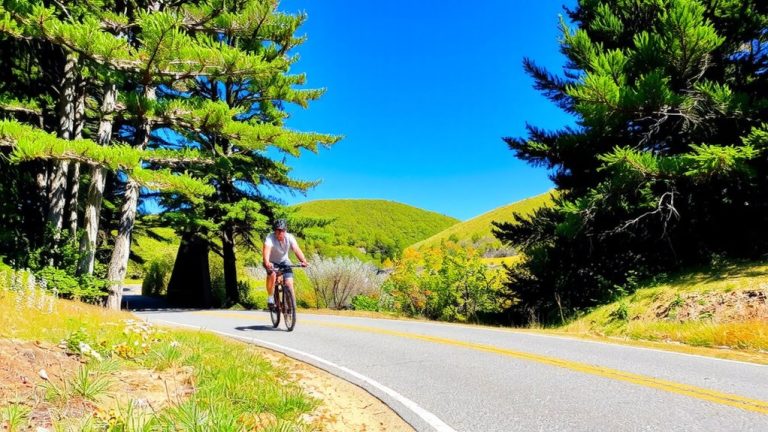
You’ll love the 12.3-mile Confluence Park to Cherry Creek Reservoir ride-flat, traffic-free, and on smooth 10-foot-wide pavement with clear signage. For a challenge, tackle Flagstaff Road’s 4.6-mile climb, 8.2% avg grade, best with a compact crankset and 11-34 cassette. At 10,500 feet, Vail Pass demands light layers and steady effort. Scenic Maroon Bells offers car-free riding through alpine views, while Lookout Mountain delivers steady climbing and skyline vistas-gear up right and you’re ready for more.
We are supported by our audience. When you purchase through links on our site, we may earn an affiliate commission, at no extra cost for you. Learn more. Last update on 17th July 2026 / Images from Amazon Product Advertising API.
Notable Insights
- Ride the Easy Urban route from Confluence Park to Cherry Creek Reservoir on a 12.3-mile traffic-free, 10-foot-wide protected path.
- Tackle Flagstaff Road’s 4.6-mile Super Flag climb with an 8.2% average grade for a serious fitness challenge.
- Climb Lookout Mountain for scenic Front Range views via a steady 4.5-mile ascent ideal April–October.
- Cycle the high-altitude Vail Pass path, climbing to 10,500 feet on a smooth, car-free route above treeline.
- Experience Maroon Bells Valley, a 10-mile car-free round-trip ride with stunning alpine scenery near Aspen.
Easy Ride: Confluence Park to Cherry Creek Reservoir
Starting at Confluence Park in downtown Denver, this 12.3-mile one-way ride to Cherry Creek Reservoir is an easy, traffic-free cruise perfect for beginners, families, or anyone wanting a relaxed day on the bike. You’ll stay safe on the protected bike path, completely separated from car traffic, with smooth, 10-foot-wide pavement and clear signage. Though it’s a slight uphill grade-610 feet total-the climb feels effortless on a hybrid or road bike with 28mm tires. Testers averaged 12–14 mph using flat pedals and lightweight backpacks. The return is fast and fun, often boosted by a tailwind. You’ll ride alongside Cherry Creek most way, ending at Cherry Creek State Park, where restrooms, picnic spots, and water access await. Skip heavy gear; bring a 50-ounce hydration pack, sunscreen, and a tubeless-ready setup in case of punctures. This isn’t a rugged trail ride-just a smooth, scenic road ride done right.
Hardest Climb: Flagstaff Road (Super Flag)
Forget gentle creek-side rolls-Flagstaff Road, better known as Super Flag, cranks the intensity way up with a 4.6-mile ascent that gains 2,163 feet of elevation, all without a single break in the gradient. You’re tackling an average 8.2% grade, with “The Wall” in the final third hitting sustained pitches that test even elite legs. This Colorado mountain road climb is a staple for structured interval training, favored by pros in Boulder’s high-performance scene. Riding in Colorado means preparing for exposure-open road, no barriers, and sudden weather swings, so bring a lightweight wind vest and reliable hydration. Use a compact crankset (34-tooth chainring helps) and 11-34 cassette for grinding. Trainer-mounted power meters often show peak efforts here, making it a go-to fitness benchmark. Super Flag isn’t just climbing-it’s high elevation, road-resilient cycling forged in real mountain conditions.
Scenic Summit Ride: Lookout Mountain
Though it’s not as punishing as Super Flag, Lookout Mountain still delivers a rewarding climb with a 4.5-mile ascent that gains 1,280 feet at a steady 5.4 percent average grade, so you won’t need a 34-tooth chainring or ultra-wide cassette-but a compact setup and 11-32 rear still make spinning comfortable, especially since no section breaks 10 percent. Your bike will hum steadily up this state favorite, a High point just west of Golden that feels like it’s rolling out your front door. You’ll rise into the foothills, gaining views of the sprawling Front Range and Denver metro below. At the top, the Buffalo Bill Museum and Grave marks a perfect turnaround-historical, scenic, and accessible. Ride between April and October for the best conditions. It’s a moderate climb with big payoff, ideal for endurance work or a crisp fall ride with light layers and road shoes dialed in.
High-Altitude Ride: Vail Pass From East Vail
When you’re chasing high-altitude miles with breathtaking alpine payoff, the Vail Pass route from East Vail delivers a 4.5-mile climb that gains 1,706 feet at a steady 4.2 percent average grade-manageable on a compact crankset and 11-32 cassette, though you’ll feel the sting on sustained pitches hitting 8–9 percent. You’ll start around 8,200 feet, climbing into true high alpine terrain, all on a fully protected bike path with zero car traffic. The pavement is smooth, ideal for road or gravel bikes, and the views of the Rockies stay with you the whole ride in Colorado. At the 10,500-foot summit, you’ll catch your breath before bombing back-slightly downhill, fast, and often with a helpful tailwind. Testers report it’s a confidence booster with real bite, especially above treeline where the air thins and the grade bites. Bring your protected bike, lightweight layers, and sunglasses-this one’s a classic.
Car-Free Route: Maroon Bells Valley
If you’re after a ride that combines car-free safety with jaw-dropping alpine scenery, the 10-mile round-trip from Aspen to Maroon Lake delivers, starting at 7,900 feet and climbing 1,234 feet over 5 miles on a smooth, paved path closed to private vehicles from late May to late October. This car-free route follows Maroon Creek Road, averaging a steady 4.6 percent grade-ideal for spinning in a compact crankset or endurance bike. You’ll pedal past wildflower meadows and aspen groves, with iconic Maroon Bells peaks looming ahead. At high altitude, acclimatize before riding; bring water, layers, and a tubeless-ready setup for fewer flats. Testers praise 28mm tires for comfort on long climbs. One of Colorado’s top five rides, it shines in summer bloom or fall color, offering unbeatable views without traffic, just pure mountain serenity from Aspen to the lake.
Epic Loops: The Grand Loop & Colorado Death Ride
While most rides in Colorado challenge your legs and lungs, the Grand Loop and the Colorado Death Ride redefine what’s possible on two wheels, combining extreme distance, relentless climbing, and high-altitude exposure into true tests of endurance. The Grand Loop clocks 200 miles with 15,500 feet of climbing, linking Golden, Estes Park, Grand Lake, and Idaho Springs, and tackling Trail Ridge Road’s 12,183-foot apex-start near Morrison’s I-70 exit to dodge early traffic. Your body will thank you for aero bars, a 34-tooth cassette, and 17:30 hours of proof-of-concept pacing from 2008. The Colorado Death Ride pushes further: 225 miles, 16,000 feet of gain, and five passes, including Molas Pass and Red Mountain. Begin at 2 a.m. in Ridgway; refuel on macaroons at Mancos’ bakery. These road rides demand endurance gear, solid route prep, and respect for exposure-ideal for riders ready to chase elite benchmarks, like that 14:43 finish in 2012.
Best Time to Ride: Seasons and Elevation Guide
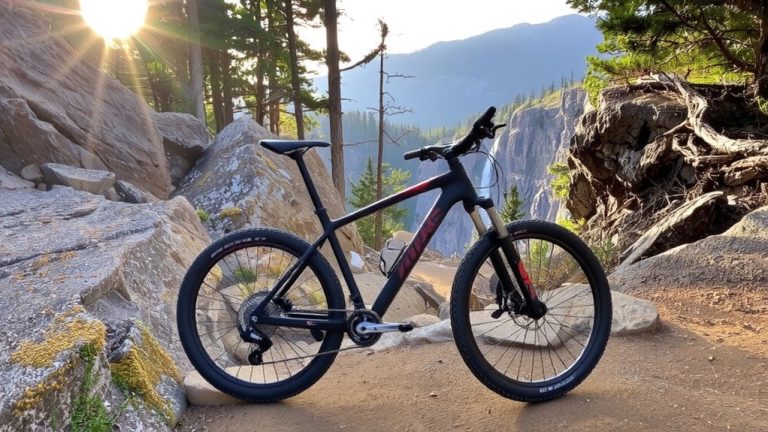
Though the Rockies hold snow well into spring, you can still hit the saddle earlier than you think-just aim low. By late March, Fruita’s 4,500-foot elevation hits upper 50s°F, making it perfect for early gravel rides. Come April–May, head west to Glenwood Springs or Buena Vista for warm desert climates and blooming trails. In summer, climb high-Maroon Bells or Vail Pass above 10,000 feet keep you cool and snow-free. Monarch Pass and Cottonwood Pass open by July, linking Buena Vista to Crested Butte on epic alpine singletrack. Pack layers, UV protection, and a tubeless-ready setup to handle sudden storms. Fall brings the sweet spot: September to October means crisp air, golden aspens, and quiet roads like Cottonwood Pass. Trails stay rideable into October, especially at mid-elevations. Watch snowfall forecasts, carry a lightweight rain shell, and use wider tires (2.4-inch or more) for grip on loose descents.
On a final note
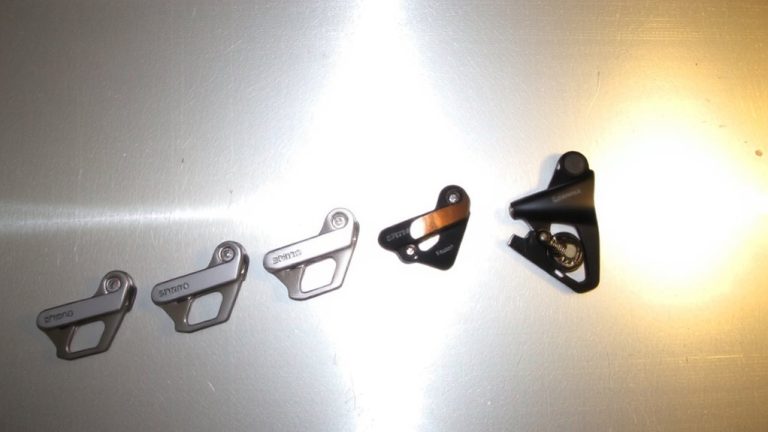
Grab your helmet, pack a light hydration vest with 2 liters of water, and wear moisture-wicking bibs with a 9-panel chamois for long days in the saddle. Trails like Vail Pass and Maroon Bells demand durable 700x32c gravel tires and disc brakes. Testers praise Shimano Ultegra for crisp shifting on Flagstaff’s steep 12% grades. Ride early, layer smart, and trust quality gear to handle Colorado’s 10,000-foot passes and sudden afternoon storms.