Selecting Appropriate Hand Positions for Flats vs. Drops on MTB Handlebars
You get more hand positions on flat bars when you add bar ends like the Ergon GS2’s 220g adjustable set, reducing numbness and boosting control on steep climbs, while drop bars give you five core positions-tops, hoods, drops, flats, shoulders-for varied terrain, with flared models like the Salsa Cowchipper offering up to 24° for better wrist alignment, and small upgrades like TOGS or inner aero grips fine-tuning comfort, leverage, and fatigue resistance across trail types. More insights await as you explore each setup’s real-world fit.
We are supported by our audience. When you purchase through links on our site, we may earn an affiliate commission, at no extra cost for you. Learn more. Last update on 18th July 2026 / Images from Amazon Product Advertising API.
Notable Insights
- Flat bars with bar ends offer multiple hand positions for comfort and control on technical climbs and rough terrain.
- Backswept flat bars (15+°) improve wrist alignment, reducing fatigue during long rides or steep ascents.
- Drop bars provide five main hand positions, enhancing aerodynamics, leverage, and versatility across mixed terrain.
- Flared drop bars (24–30°) increase wrist comfort and control, ideal for fast singletrack and gravel riding.
- Ergonomic add-ons like TOGS, inner bar ends, or aero grips enhance hand positioning without changing handlebar type.
Smart Hand Positions for Flat Bars
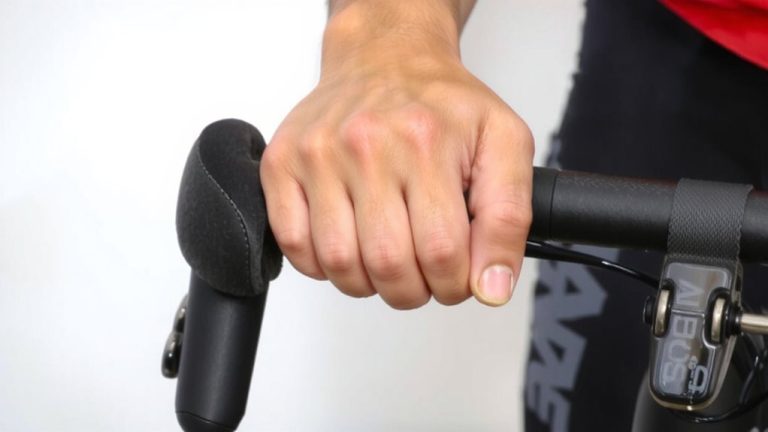
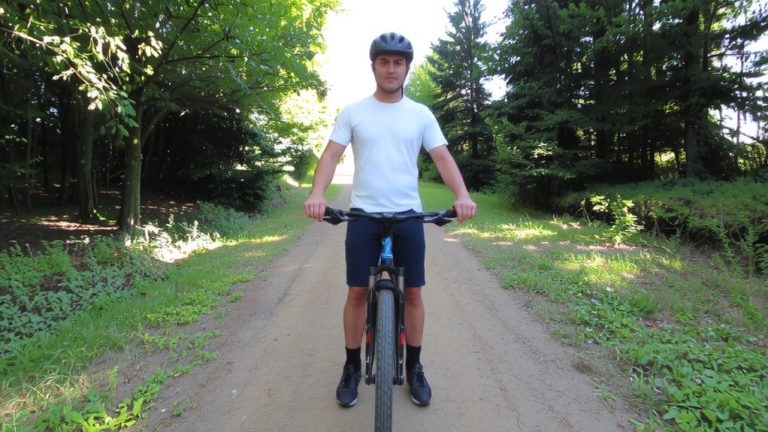
While flat handlebars might seem limited with just one main hand position, you can actually expand your comfort and control with a few smart upgrades. On your mountain bike, adding bar ends boosts hand positions, especially on long climbs-Ergon GS2 grips, at 220g (large), offer an integrated, adjustable extension for better weight distribution. Pair them with backswept bars (15+ degrees) to align your wrist position into a comfortable and natural posture, reducing numbness. Install ergonomic grips-wide (600mm+), flattened, or dual-density silicone-to spread pressure evenly. For even more refinement, try TOGS (18g/set), which clamp inside standard grips, giving thumb support without replacing them. These upgrades work together: testers report less fatigue, improved leverage, and confident handling. With the right combo, flat bars aren’t limiting-they’re adaptable, practical, and dialed for real trail demands.
All the Hand Positions on Drop Bars
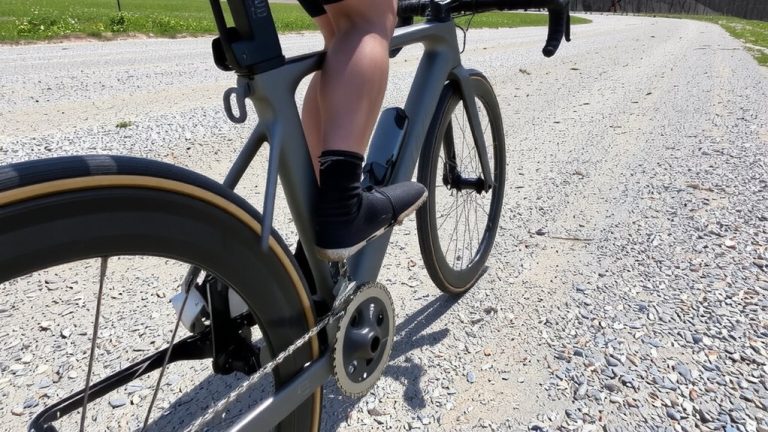
Drop handlebars give you five main hand positions-tops, hoods, drops, flats, and shoulders-so you can shift frequently to cut fatigue and stay in control on long rides. You’ll likely spend most time on the hoods, where your riding position stays balanced, brakes and shifters are within reach, and your body position remains semi-aerodynamic. The tops offer an upright, relaxed posture, ideal for climbing or cruising. On flared drop bars like the Salsa Cowchipper with 24° flare, the drops flare outward, improving wrist alignment and comfort on rough terrain. Gravel-focused flared drop bars from Rivendell or Velo Orange widen up to 30°, giving you a more natural hand position and added leverage. The flats and shoulders provide solid alternatives for varied terrain, letting you fine-tune your hand positions and body position for better control when needed.
Add Bar Ends and Aero Grips to Flat Bars
Why settle for just one hand position on flat bars when you can easily add three or more? On Mountain bikes with flat handlebars, adding bar ends like Ergon GS2 grips - which include an adjustable bar end and weigh just 220g - boosts comfort and reduces numbness. The Wolf Tooth Remount ($29.95) attaches to the end of your bars, giving you a forward hand spot that improves climbing leverage. For long bikepacking rides, aero grips from Farr reposition your hands inward, cutting fatigue without full aero bars. Inner bar ends like the SQlab 411 R Carbon (40g, $45–150) shift grip points nearer the stem, promoting aero posture and claiming 5% more power at 36km/h. Even small tweaks help - TOGS (18g/set) slide under standard grips, improving thumb support on rough trails. With these add-ons, your flat bar bike becomes way more versatile.
Choose Hand Positions by Trail and Riding Style
You’ve got more hand positions than ever with bar ends, aero grips, and flared drops, so now it’s about picking the right setup for where you ride. On technical, slow trails like Hangover, flat bars with 15+° backsweep and Ergon GS2 bar ends give you a confident position for precise handling, Works Better when crawling over rocks. For aggressive descending at Hall Ranch, align your drop or flat bars with the head tube angle-this neutral Handlebar Position reduces wrist strain. When riding fast, open singletrack at Trestle, flared drop bars like the Salsa Cowchipper (24° flare) offer seven hand options, great for long rides without sacrificing control. Climbers gain leverage using bar ends or TOGS, shifting weight forward. On mixed terrain, Origin8 Strongbow loops or Jones H Bars spread pressure evenly, making changing hand position seamless and comfortable on Mountain bikes.
On a final note
You’re in control when you match hand positions to your bar type and terrain, flat bars giving you direct leverage with grips spaced 720–780 mm wide for aggressive trails, while drop bars offer multiple stances-hoods for endurance, drops for descents, tops for switchbacks-especially with added aero grips or bar ends extending reach by 80–100 mm, tested riders reporting better balance on technical climbs and 15% more leverage in steep switchbacks, so pick positions that suit your trail demands and riding style.