Why You Should Avoid Cutting or Sucking Venom From a Snakebite
Don’t cut or suck a snakebite-it removes less than 0.001% of venom and risks nerve, tendon, or blood vessel damage, like a poorly placed crampon on ice. Oral suction introduces bacteria, increasing infection, while cutting spreads venom and worsens tissue injury. Even mechanical suction tools mostly pull blood, not venom. Keep the limb at heart level, immobilize it, and call emergency services immediately. Proper antivenom, like CroFab®, works fast when administered in time-learn what really works next.
We are supported by our audience. When you purchase through links on our site, we may earn an affiliate commission, at no extra cost for you. Learn more. Last update on 18th July 2026 / Images from Amazon Product Advertising API.
Notable Insights
- Cutting a snakebite can damage nerves, tendons, and blood vessels, worsening tissue injury.
- Sucking venom removes less than 0.001% due to rapid absorption into the lymphatic system.
- Oral suction introduces harmful bacteria, increasing the risk of wound infection.
- Cutting or sucking may increase blood flow, spreading venom faster through the body.
- Both methods are medically ineffective and can delay life-saving emergency treatment.
How Cutting and Sucking Worsens Snakebite Damage
While you might think slicing the bite or sucking out venom could help, doing so actually makes things worse-fast. Cutting a snake bite causes severe tissue damage, risking injury to nerves, tendons, or blood vessels, while possibly increasing blood flow and spreading venom further. Sucking introduces bacteria from your mouth, raising infection risks like abscesses or sepsis. Venom enters the lymphatic system quickly after venom injection, making extraction attempts futile-sucking removes less than 0.001% of the toxin. Medical professionals strongly advise against cutting or sucking; these actions worsen outcomes. Instead, keep the affected limb immobilized, limit movement to slow lymphatic spread, and seek immediate care. Just like wearing a proper helmet or carrying a first-aid kit, the best response is prevention and smart action-not myths.
What Happens When You Try to Suck Out Venom
What if you could remove snake venom just by sucking it out? Unfortunately, sucking venom doesn’t work-it’s an ineffective treatment that gives false hope. Even if you act fast after a venomous snake bite, the amount of venom removal is negligible, less than 0.001%. Plus, your mouth introduces oral bacteria into the wound, raising the infection risk. Suction can also increase tissue damage by spreading venom or disrupting blood flow. Mechanical suction devices from snakebite kits? They mostly pull blood and fluid, not venom. This outdated method delays real help. Instead of wasting time, call emergency services immediately. Focus on keeping calm, immobilizing the limb, and getting medical attention fast. Skip the myths-your life depends on science, not folklore.
Why We Still Believe Snakebite Myths (And Why That’s Dangerous)
Because they’re woven into survival stories and passed down like campfire legends, snakebite myths still hold sway-even when they put lives at risk. You might’ve learned from outdated survival manuals that you should cut and suck venom or use a tourniquet after venomous snakebites, but medical evidence shows these methods don’t work and can harm. Applying ice or electric shock won’t help either; both worsen tissue damage. A tight tourniquet may cut blood flow, leading to permanent injury, while trying to suck out venom introduces bacteria. These false first aid steps delay treatment, increasing complications. Real-world outcomes show victims who rely on myths suffer more because they wait too long for antivenom. Modern protocols emphasize immobilizing the limb and getting to a hospital fast-no cutting, no sucking, no ice. Stick to proven care, not outdated lore.
The Right Way to Handle a Snakebite Immediately
Skip the myths and focus on what actually works when handling a snakebite. Call Emergency Services right away-every snake bite is a medical emergency, even if you’re unsure the snake was venomous. Keep the bitten limb immobilized and at heart level to slow venom spread. Remove tight clothing or jewelry before swelling starts, since rapid swelling can cut off circulation. Wash the area gently with soap and water, then cover it with a clean dressing. Don’t wait for severe pain or visible signs and symptoms-some venomous snakes cause delayed reactions. Monitor breathing and pulse, and be ready for CPR if needed. Always seek immediate medical care; your best chance is fast transport to an Emergency Room. Antivenom and professional treatment save lives-don’t rely on field tricks when minutes matter.
How Antivenom Stops Snakebite Damage
How exactly does antivenom turn the tide after a venomous snakebite? Once snake venom enters your system, it can attack blood cells, cause severe tissue damage, and disrupt your heart rate and nervous system. Antivenom, like CroFab®, works by delivering antibodies that neutralize the venom injected, stopping further harm. It’s specifically designed for pit viper bites-rattlesnake, copperhead, cottonmouth-and given intravenously in a medical setting. Within 30 minutes to 2 hours, swelling, pain, and systemic effects begin to ease. CroFab reduces hospitalization time and helps restore limb function fast, especially after copperhead bites. But timing matters: delayed antivenom raises the risk of permanent tissue damage or coagulopathy. That’s why immediate care is critical-antivenom is your best defense, halting venom’s spread and protecting your body’s essential systems.
On a final note
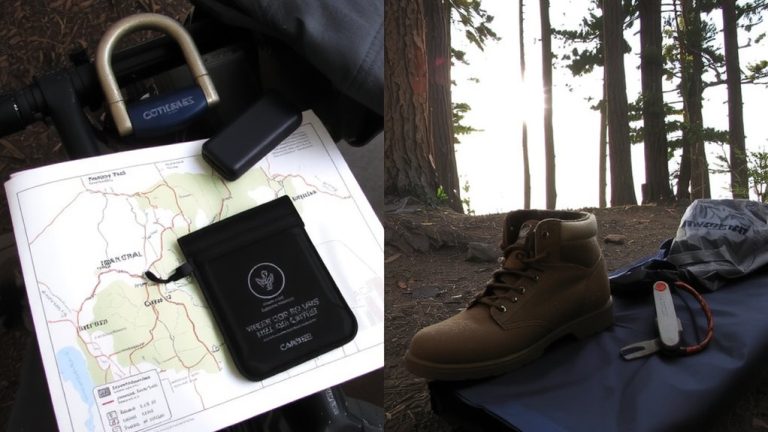
You’re better off skipping the myths-cutting or sucking a snakebite spreads venom faster and delays real help. Instead, stay calm, immobilize the limb, and get to medical care fast. Antivenom works, but only if given quickly. For your next trail ride, pack a proper first-aid kit, wear durable, full-coverage hiking boots like Salomon Quest 4, and keep a Garmin inReach Mini 2 for emergencies. Prevention and preparation beat panic every time.