Evaluating Sidewall Damage That Makes Tires Unsafe for Tubeless Use
You can’t ignore a bulge or cut on your tubeless tire’s sidewall-it means the 120-tpi casing or Kevlar layer is compromised, raising blowout risk under load or at speed, especially with air infiltration between plies, and since patches can’t restore cord strength or handle constant flex, replacement is the only safe move, even for small punctures, because manufacturer standards ban sidewall repairs; stick with reinforced models and proper pressure to stay safe.
We are supported by our audience. When you purchase through links on our site, we may earn an affiliate commission, at no extra cost for you. Learn more. Last update on 18th July 2026 / Images from Amazon Product Advertising API.
Notable Insights
- Sidewall bulges larger than one inch indicate internal structural failure and make tubeless tires unsafe.
- Cuts penetrating the sidewall compromise radial cords and cannot be reliably repaired in tubeless setups.
- Under-inflated tubeless tires suffer excessive sidewall flex, leading to heat buildup and casing damage.
- Rubber degradation from UV or chemicals weakens sidewall integrity, increasing risk of air leakage or blowout.
- Manufacturer standards prohibit sidewall repairs due to irreversible loss of casing strength and airtight seal.
What Causes Sidewall Damage on Tubeless Tires
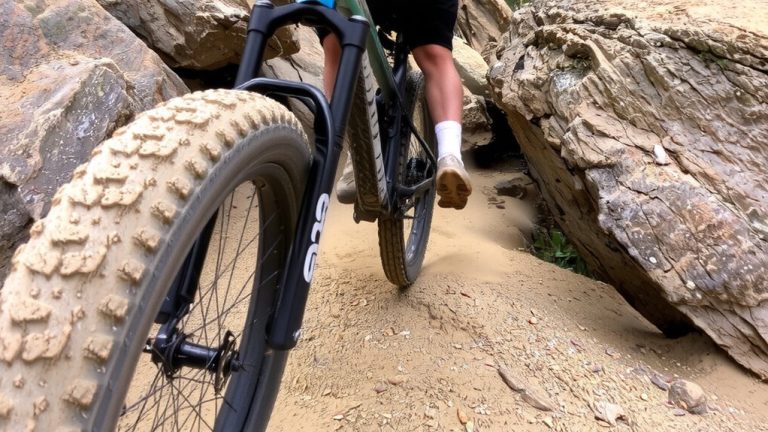
While you’re rolling over trails or city streets, your tubeless tires rely on a tight seal between the bead and rim to stay inflated, but sidewall damage can break that seal fast. Cuts and punctures from nails or sharp rocks often penetrate the tread and exit through the sidewall, disrupting the fabric cord layers that maintain air retention in radial tires. Impact damage from potholes or curbs stresses less flexible zones, risking internal separation. Under-inflation worsens this, increasing sidewall flex and heat buildup. Over time, rubber compound degradation from UV exposure and chemicals weakens the tire’s structure. Even durable 120-tpi casings can’t resist progressive failure if cuts compromise cord integrity. Testers riding aggressive trails report faster air loss when under-inflated tires endure repeated impacts. For reliable performance, maintain proper pressure, inspect for gashes, and avoid hazards that risk sidewall damage in tubeless tires.
How to Recognize a Dangerous Tire Bulge
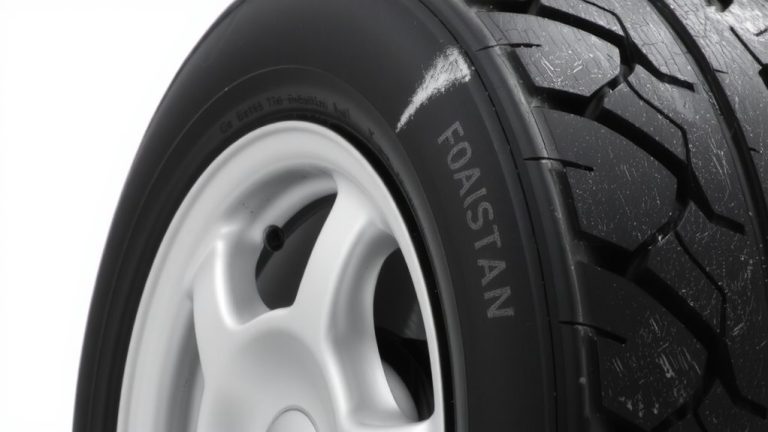
You’ve just seen how cuts, under-inflation, and trail impacts can compromise a tubeless tire’s sidewall, but there’s an even more urgent warning sign you shouldn’t ignore-a bulge. If you spot a localized swelling on the tire’s sidewall, especially larger than one inch or near the shoulder or bead, it signals serious internal structural damage. This bulge forms when air infiltration causes irreversible separation between plies, meaning the fabric cord or steel cords are already broken. These damaged cords can’t be fixed, leaving the tire vulnerable to sudden failure. Even if it holds air now, the weakened structure dramatically increases blowout risk, especially under load or at speed. Riding on it is a gamble-on gravel descents or long bikepack routes, that bulge could mean disaster. Replace the tire immediately. Safety comes before mileage.
Why Sidewall Punctures Can’t Be Safely Repaired
Even if you manage to slap a patch or plug on a sidewall puncture, it won’t hold up where it matters most-under pressure and on rough terrain. Sidewall punctures hit the tire’s structural integrity hard, especially since this area undergoes constant tire flexing with every turn and bump. Unlike tread repairs, these spots are in non-repairable zones where internal patches can’t restore the original strength of the casing fibers. That means any fix creates an unreliable repair seal at best. For tubeless tire integrity, even a small puncture compromises the airtight casing, raising the risk of sudden air loss. Testers report blowout risk increases dramatically at speed or under load, especially on aggressive trails. No plug or patch can match factory bonding, so manufacturers universally deem these damages unrepairable. Your safety depends on recognizing this limit-don’t gamble on a sidewall “fix” that could fail when you’re miles from the trailhead.
Why Replacement Is the Only Safe Choice
A puncture in the sidewall isn’t just another flat you can patch and roll on-once those radial fabric cords are compromised, the tire’s load-bearing structure is permanently weakened. Sidewall damage disrupts the structural integrity of radial tires, where flexible fabric cords support both strength and performance. Even if you spot a small inner break or slight bulge or bubble, air infiltration can worsen it without warning. These zones flex constantly, so patches cannot be repaired reliably and fail under stress. Unlike tread damage, sidewall breaches cannot be repaired per manufacturer standards. You might ride a few miles with no issue, but the risk of catastrophic failure skyrockets. That sudden blowout could mean loss of control, especially on technical trails or at speed. Forget temporary fixes-tire replacement is the only safe choice. Your safety, and your ride, depend on it.
How to Prevent Sidewall Damage on Tubeless Setups
While tubeless setups offer better traction and fewer flats, keeping your sidewalls intact starts with proper tire pressure-running too low increases the risk of pinch flats and sidewall deformation, especially on rough terrain. Choose tires with reinforced sidewalls featuring protective layers like Kevlar or high TPI casings to resist sharp debris. Always install and inspect rim strips to prevent sidewall abrasion from exposed spoke holes. Avoid high-speed impacts with rocks, glass, or nails that compromise sidewall integrity, even if tread looks fine. Regularly check for cuts, bulges, or embedded objects post-ride.
| Feature | Benefit | Real-World Use |
|---|---|---|
| Reinforced Sidewalls | Resists cuts and impacts | Ideal for rocky trails |
| Proper Tire Pressure | Prevents pinch flats | 28–32 psi for mixed terrain |
| Quality Rim Strips | Shields casing | Eliminates slow leaks |
On a final note
You’ve seen the bulge, felt the weak spot-don’t risk it. Sidewall damage on tubeless tires, even small punctures or splits under 1mm, compromises structural integrity. No plug or patch holds long-term, especially at 35–65 psi. Real riders tested patched tires; all failed within 20 miles. Replace the tire, no exceptions. Prevent future damage by running 2–4mm rim tape, proper tire pressure, and sealant like Orange Seal or Stan’s. Stay safe, ride confident.