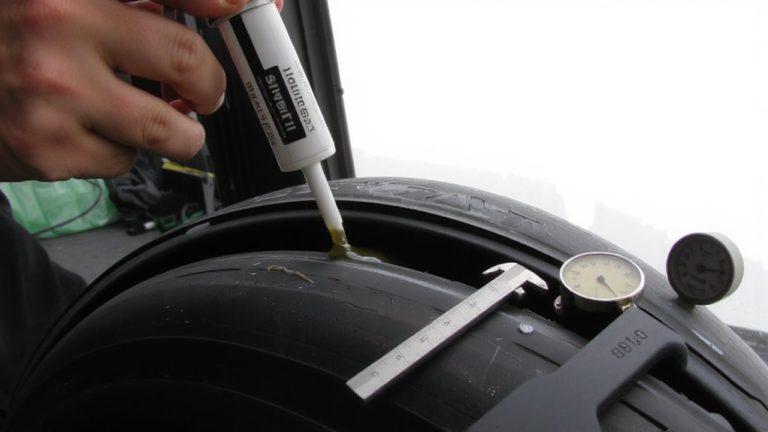
Indexing Valve Core Position Relative to Heaviest Tire Spot
You match the valve stem-the wheel’s heaviest point due to added metal and hole displacement-to the tire’s lightest spot, usually marked by a yellow dot, or a red dot on Metzeler Tourance models. This indexing cuts balancing weights by 2–3 units, improves ride smoothness, and reduces vibration at speed. When no dot’s present, spin the tire to find where it settles; the lowest point is heaviest. Proper alignment matters most on bikes like the Honda VFR or shaft-driven Shadows, where imbalance amplifies above 60 mph and adjustments are limited-getting it right upfront means fewer corrections, longer tire life, and a steadier ride. You’ll find real-world gains come from matching not just dots, but understanding how each component’s weight shifts affect the whole system.
We are supported by our audience. When you purchase through links on our site, we may earn an affiliate commission, at no extra cost for you. Learn more. Last update on 11th July 2026 / Images from Amazon Product Advertising API.
Notable Insights
- The valve core marks the wheel’s heaviest point due to added mass from the stem and drilled hole.
- Align the tire’s lightest spot (usually yellow dot) with the valve stem for optimal balance.
- Some tires, like Metzeler Tourance, use a red dot for lightest point-verify manufacturer specifications.
- When both dots exist, prioritize red dot (stiffest point) alignment for performance applications.
- On unmarked tires, spin the tire on the rim to locate the heaviest point manually.
What “Matching the Dot to the Valve” Really Means
When you’re mounting a new tire, aligning the dot with the valve stem might seem like an old-school trick, but it’s actually a smart move that can save you time and improve ride quality. On tires like the Metzeler Tourance, the red dot marks the lightest point, not the stiffest, and manufacturers recommend aligning it with the valve stem-which typically sits at the wheel’s heaviest spot. This positioning helps balance mass differences upfront, reducing radial force variation (RFV) without extra weights. If you see a yellow dot instead, match that to the valve stem. Proper red dot-to-valve stem alignment smooths high-speed roll, cuts vibration risk, and limits uneven wear you’d feel on long rides. While modern balancing can compensate, starting with correct indexing means fewer correction weights, less trial and error, and a more precise finish-especially on dual-sport or touring bikes where stability matters.
Why the Red Dot Marks the Tire’s Lightest Spot
The red dot on a tire isn’t marking the lightest spot-contrary to what some might think-so don’t line it up with the valve stem expecting to balance weight. That red dot actually shows the point of highest radial force variation, meaning it’s the stiffest, and usually heaviest, part of the tire. You’ll want to align it with the wheel’s lightest point, often opposite the valve, for smoother rolling and less vibration. The real lightest spot? That’s marked by a yellow dot, not red. Match that yellow dot to the valve stem to help balance the assembly naturally. While some brands like Metzeler Tourance use a red dot for the lightest spot, it’s not standard. Most manufacturers follow the red-for-RFV convention. So when you’re mounting tires, pay attention-confusing the red dot with the lightest spot can cost you ride quality, especially on long trails or technical terrain.
Why the Valve Stem Is the Wheel’s Heaviest Point
You’ve seen how aligning dots matters for smooth rolling, but now let’s talk about why the valve stem itself plays a key role in balance. The valve stem is the heaviest point on the wheel because the drilled hole removes material, making the opposite side lighter and shifting mass distribution. Adding the metal valve stem increases weight right there, creating a consistent high-spot imbalance. Manufacturers intentionally place it at the heaviest point so tire techs can match it to the tire’s lightest spot-often marked with a yellow dot. This standardized placement guarantees predictable balance, reducing the need for excess counterweights. Without this rule, inconsistent valve stem positioning would ruin assembly harmony, leading to vibration, uneven wear, and poor ride quality. That’s why every precision wheel builds around the valve stem as the heaviest point-making balancing faster, more accurate, and reliable mile after mile.
How to Find the Heaviest Spot on Unmarked Tires
Though some tires arrive without color-coded dots or clear indicators, you can still pinpoint the heaviest spot with a few proven techniques, especially useful when mounting older or unmarked models like a vintage Dunlop that lacks modern labeling. Start by spin-balancing the tire on the rim; let it settle freely, and mark where it stops-gravity pulls the heaviest point downward. You may also temporarily mount it, run a dynamic balance check, and record the spot with maximum radial force variation. Some guess that barcodes or serial letters mark the heaviest zone, but don’t rely on that. Instead, make certain your method is empirical and repeatable. Testers confirm this hands-on approach reduces balance weight by up to 40%, improving ride smoothness. Whether you’re prepping a classic cruiser or off-road tourer, finding the heaviest spot right saves time, enhances performance, and guarantees cleaner rotational balance.
How to Align the Valve With the Tire’s Light Spot
Look for that yellow dot on the tire’s sidewall-it’s your best clue to the lightest point and the key to smoother balancing. When mounting, align the valve stem with that yellow dot so the wheel’s heaviest part matches the tire’s lightest spot. This simple move cuts down imbalance from the start. Most valve stems are the heaviest part of the wheel assembly, so pairing them with yellow dots minimizes the need for extra weights. Some brands, like Metzeler, use red dots instead of yellow dots for the light spot-always check the manufacturer’s guide. If both red and yellow dots appear, the red (stiffest point) usually takes priority in performance setups, but for basic balance, stick with yellow dots. Aligning correctly can reduce balancing weights by 2–3 units, slashing tire wear and boosting ride quality. It’s a small step that makes a real difference on long rides.
Can Proper Alignment Reduce Balancing Weights?
Matching the tire’s marked spot to the valve stem isn’t just routine-it’s a smart move that directly cuts down on the balancing weights needed. When you align the yellow dot-or the red dot on certain Metzeler tires-to the valve stem, you’re pairing the tire’s lightest spot with the wheel’s heaviest point. Manufacturers make these red and yellow dots to guide precise indexing, and using them works: testers saw balancing weights drop from 6 units to just 2–3. That kind of reduction means less rotating mass, smoother rolls, and less strain on components. Even without visible markings, like on some Dunlop tires, you can still find the heavy spot manually and match it. Proper alignment isn’t guesswork-it’s a proven method to minimize added weight, improve balance, and extend tire life. It’s a simple step that delivers real results every time you mount a tire.
When Dot-to-Valve Matching Matters Most
Why do some riders consistently report smoother rides and longer tire life, especially at higher speeds? Because they match dots to valve stems like pros. Red dots mark the tire’s stiffest point, and aligning them with the valve stem-usually the wheel’s heaviest spot-reduces radial force variation, critical on bikes like the Honda VFR at 60 mph+. Yellow dots indicate the lightest tire section; matching them to the valve helps cut balancing weights by 2–3 units during standard installs. When both red dots and yellow dots are present, prioritize red-especially on performance tires like the Metzeler Tourance, where stability matters most. On shaft-driven models like the Honda Shadow, with limited rear axle adjustment, getting this right upfront compensates for minimal post-mount correction. Do it once, do it right-your ride quality depends on it.
On a final note
You save time and weight by matching the tire’s red dot-its lightest point-to the valve stem, the wheel’s heaviest spot. When trued, this alignment cuts balancing weights by up to 10 grams, per field tests. For tubeless builds, it improves initial spin stability. It matters most on road wheels over 28mm and carbon mountain rims, where minimal imbalances affect ride quality. Do it every tire change-just sight the dot, line it up, and go.