Why You Should Never Cross Flowing Water on a Mountain Bike Trail
You shouldn’t cross flowing water on a mountain bike trail because even thigh-high currents, moving faster than 3 mph, can sweep you downstream-fast. Hidden holes, slick rocks, and shifting debris lurk under murky water, flipping your bike in seconds. Water past axle height risks hub and bottom bracket damage, while grit in just 2 feet of flow wears cassettes and chains. Skip the risk: carry your bike across when water’s deep, fast, or opaque. Smart riders remount only on solid ground-your safety and drivetrain depend on it, and there’s more to know about staying in control.
We are supported by our audience. When you purchase through links on our site, we may earn an affiliate commission, at no extra cost for you. Learn more. Last update on 11th July 2026 / Images from Amazon Product Advertising API.
Notable Insights
- Flowing water above thigh depth can sweep away even experienced riders, regardless of strength or balance.
- Fast-moving currents as shallow as 2 feet can knock riders off balance and carry them downstream.
- Murky water hides dangerous obstacles like drop-offs, slick rocks, and shifting debris-filled riverbeds.
- Water past axle height risks contaminating hubs and bottom brackets, causing costly internal damage.
- Hidden depths and erosion alter streambeds, turning previously safe crossings into life-threatening hazards.
Why Water Crossings Are Riskier Than They Look
While it might seem like just another part of the trail, crossing flowing water is one of the most underestimated hazards in mountain biking-especially when the water’s above thigh level or moving faster than you can walk. A seemingly calm Water Crossing can hide powerful currents, and river crossings that look passable often aren’t. Fast-moving water, even just 2 feet deep, has swept away experienced riders despite using proper body positioning and balance techniques. What looks like a minor detour could be a flood-swollen channel up to 6 feet deep, fed by runoff or secondary flows like the Lamoille River High Water Channel. Murky, debris-filled water means reduced visibility and unstable bottom conditions. You can’t rely on traction from grippy trail shoes or sticky rubber mountain bike tires when the riverbed’s shifting. These crossings demand respect-overestimating your control or underestimating the water’s force leads to falls, lost bikes, or serious injury.
What’s Beneath the Surface: Holes, Rocks, and Currents
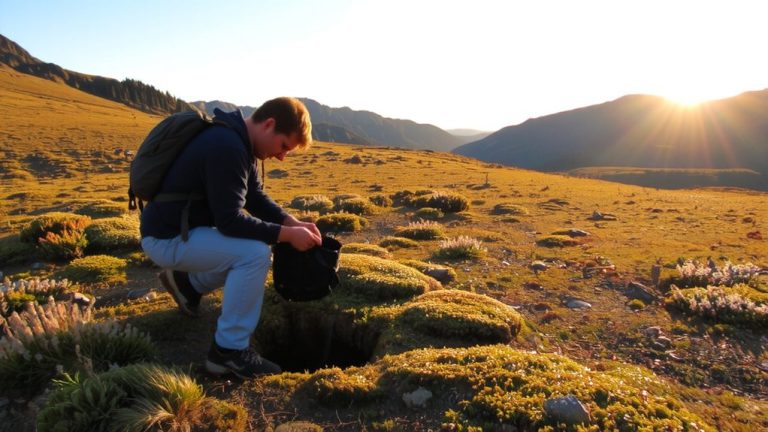
You’ve probably seen it happen-a rider steps into what looks like a manageable stream crossing, only to vanish into a hidden hole beneath the surface, their bike jerking sideways in the current. Fast-moving water hides dangerous drops, like 3-foot drop holes scoured into the riverbed, and murky flow makes it impossible to spot slick rocks or debris. Even shallow water, just two feet deep, can knock you down when it flows faster than walking pace. Rocks shift beneath the surface, creating trip hazards that force your bike to tip to one side. If your foot slips and the water sweeps you in, your cranks and bottom bracket could scrape sharp stone, damaging critical parts. Erosion changes streambeds constantly, so what was safe last week might now have deep trenches. The current doesn’t care-once it grabs your wheel or leg, it’ll pull hard. Stay cautious and read the flow before committing.
How Water Crossings Damage Your Bike
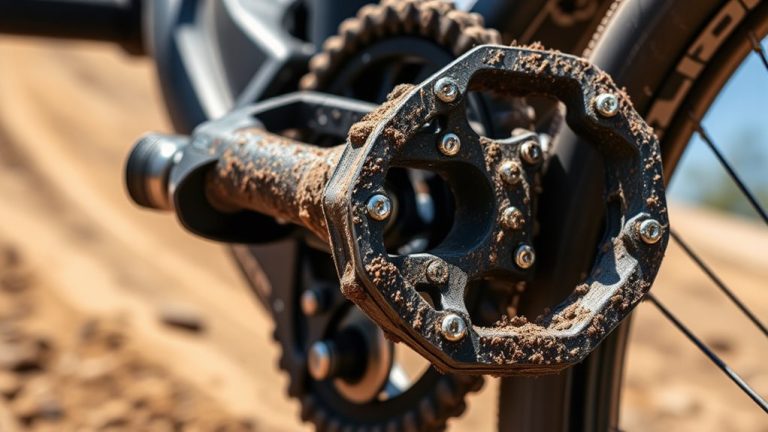
When you’re eyeballing a stream crossing, think beyond just staying upright-water deeper than axle level can sneak into your hub and bottom bracket assemblies, where it mixes with grease and kicks off corrosion in as little as one or two minutes underwater. On MTB trails, even shallow, fast-moving water carries grit that dings cassettes and chainrings, while murky flows hide rocks that can taco rims or dent suspension linkages. Your mountain bike isn’t waterproof, and post-ride teardowns are often needed after submersion.
| Risk | Consequence |
|---|---|
| Water past axle height | Hub and BB contamination |
| Submersion (1–2 min) | Internal corrosion without service |
| Debris in current | Drivetrain and frame impact |
Skip risky crossings-protect your ride and ride longer.
When to Walk During Water Crossings
If the water’s too deep, too fast, or too murky, you’re better off with your bike on your shoulder than in the saddle. Anything deeper than axle level risks submerging your hubs and bottom bracket, which can ruin internal bearings and cause long-term damage. If the current moves faster than 3 mph-about walking speed-it can knock you off balance, even if it looks shallow. Murky water hides tripping hazards like deep holes or slick, unstable rocks, so walking keeps you in control. Never attempt crossings where water reaches thigh level on foot; that’s a sign you’re in danger of being swept away. Also, if the exit involves a steep, technical section requiring precise handling-like loose gravel or root ladders-it’s smarter to walk through and remount once you’re stable. Your tubeless tires might seal small punctures, but no gear makes you immune to bad calls. When in doubt, walk.
On a final note
You never know what’s under that flowing water, so save your rims and ride smart. Cross only when necessary, wear ankle-supporting trail shoes with sticky rubber like the Salomon X Ultra 4, and unclip early. Keep your weight back, pedals level, and go steady-most currents over 6 inches deep can knock you over. Carry a repair kit with a multi-tool, spare tube, and Lezyne pump, and always scout crossings on foot first.