What to Do if You Cause a Collision With Another Trail User
Stay calm and check for injuries-don’t move anyone if spinal trauma’s suspected, like at mile marker 3.2 where a gravel patch caused a 15 mph UTV-pedestrian collision. Call 911 immediately, even if pain isn’t obvious-adrenaline masks whiplash or internal issues. Exchange names, insurance, and equipment IDs. Snap photos of trail conditions, bike positions, and signage. Collect witness contacts. Report the incident to park staff or police. A lawyer can help before you give formal statements.
We are supported by our audience. When you purchase through links on our site, we may earn an affiliate commission, at no extra cost for you. Learn more. Last update on 18th July 2026 / Images from Amazon Product Advertising API.
Notable Insights
- Stay calm and check for injuries without moving anyone if spinal trauma is suspected.
- Call 911 immediately, even for minor collisions, due to hidden injuries like internal bleeding.
- Exchange full contact, insurance, and equipment information with the other trail user.
- Take photos of injuries, trail conditions, and positions; collect witness contact details.
- Report the collision to law enforcement or park staff promptly to fulfill legal obligations.
Stay Calm and Check for Injuries
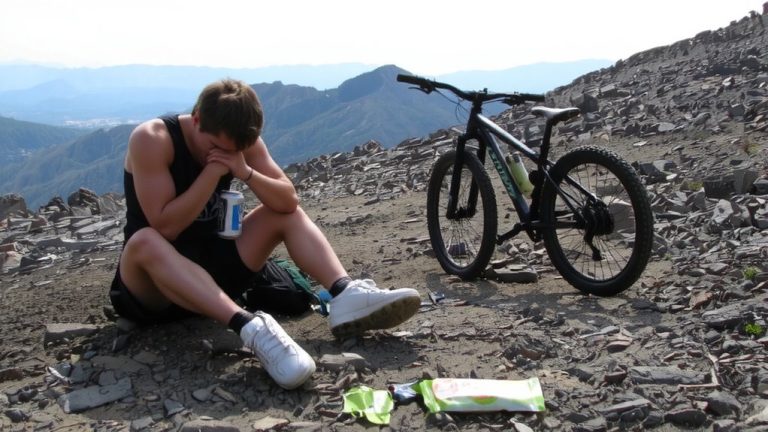
While it might feel chaotic in the moment, staying calm after a trail collision is essential so you can quickly assess injuries-yours and the other person’s-without making things worse. Check for injuries right away: look for signs of a serious injury like inability to move, visible bleeding, or loss of consciousness. If someone’s injured, don’t move them-especially if spinal trauma is possible. Keep the scene safe and prevent further harm from approaching trail users. Note unsafe conditions like poor signage or debris, especially if the accident occurred on private land where maintenance may be lacking. Even minor injury should be evaluated; some symptoms appear later. Always consider medical attention when impact is high, like crashes involving bikes at speed or UTVs. Stay calm, gather facts, and prepare to call emergency services if needed-your response now improves recovery later.
Call Emergency Services If Needed
If you or someone else is hurt in a trail collision, don’t wait-call 911 right away, because serious injuries like ruptured tendons or internal bleeding aren’t always obvious at first. Even if the injured person seems okay, adrenaline can hide pain from whiplash or internal trauma. Prompt emergency response guarantees timely medical assistance and proper ambulance transport. Always provide your exact trail location-like mile marker 3.2 on the Hike-Bike Trail-to speed up help. Quick action supports accurate medical documentation and better recovery outcomes.
| Injury Type | Why Immediate Care Matters |
|---|---|
| Ruptured tendons | Requires surgery and rehab |
| Internal bleeding | Can be fatal if delayed |
| Spinal trauma | Needs stabilization |
| Severe fractures | Risk of shock |
| Concussion | Symptoms may develop later |
Exchange Contact and Insurance Information
After a trail collision, you’ll want to stay calm and handle things methodically-start by swapping full contact details with the other person, including names, addresses, phone numbers, and email addresses, since this step isn’t just polite, it’s often required by local trail rules, especially if there’s injury or damage. You must exchange contact information and insurance details if applicable, as they’ll help process medical bills or compensation claims. If law enforcement arrives, make certain they record the accident and all exchanged data. Cyclists or UTV users should also share equipment IDs, like bike registration or VINs. Failing to provide contact information may leave you liable and could lead to legal action. Having solid documentation protects you and guarantees fair outcomes if insurance gets involved. Be thorough-accurate records simplify resolution, whether you’re filing a claim or defending your position after the accident.
Take Photos and Gather Witness Details
Since evidence can vanish quickly on busy multi-use trails, snap photos right away using your phone or action camera to document the scene from multiple angles-capture the exact position of the bike and pedestrian, any scrapes or bruises, and the surrounding trail conditions, like gravel patches, blind turns, or narrow crossings. Take photos of signage, lighting, and congestion to support a thorough investigation into liability. On shared trails, right of way violations and recklessness matter-gather witness details immediately. Record witness statements while fresh, noting if the rider used a bell or gave warnings as rules require. Compare accounts later for consistency.
| Detail to Capture | Why It Matters |
|---|---|
| Bike and pedestrian positions | Clarifies right of way |
| Visible injuries | Supports injury claims |
| Trail signage | Confirms rule compliance |
| Lighting and congestion | Assesses safety conditions |
| Witness contact info | Strengthens witness statements |
Report the Trail Collision to Authorities
Though you might feel shaken or unsure right away, reporting the trail collision to authorities right away strengthens your position, especially under Michigan’s trail use rules where timely documentation matters. You have a legal duty of care to report the trail collision to authorities, whether on public land managed by the Michigan Department of Natural Resources or private trails. If someone’s injured, like Thomas Composto’s 2015 case needing surgery, prompt reporting helps prevent claims of negligence and supports Personal Injury cases. Failure to report can make you liable for an accident in the eyes of the law. It also preserves evidence for insurers and agencies. In serious incidents, this step can help your attorney later, especially when dealing with recreational liability statutes. For any collision involving injury or fault, report to law enforcement or park staff immediately-it’s not just responsible, it’s required.
Talk to a Lawyer Before Giving Statements
If you’re involved in a trail collision, don’t rush to give statements to insurers or park officials without legal advice first-you could accidentally admit fault or downplay injuries in a way that undermines your claim. Trails often involve shared use, so liability isn’t always clear-cut. In some states, like California, you’ve only got six months to file a claim against a government entity-talk to a lawyer right away. Courts may apply recklessness instead of ordinary negligence, especially among co-participants who assume certain risks. A 9-year-old on a bike? Parental liability could kick in. Before signing any statements, get legal counsel. An experienced injury lawyer or trial attorney from a trusted law firm can help protect your rights. Most offer a free consultation. Don’t risk saying the wrong thing-recklessness, negligence, and liability hinge on your words, not just the crash.
On a final note
Stay calm and check yourself, then others-call 911 if there’s pain, bleeding, or head injury. Swap names, numbers, insurance, and ride-sharing app details if applicable. Snap photos of injuries, bikes (like your Trek Rail 9.8 or Specialized Turbo Levo), trail markers, and damage. Grab witness contacts. File a report with park rangers or trail authority. Talk to a personal injury lawyer before giving insurance statements-your trail rights depend on it.