What Is the Best Mountain Bike for Beginners
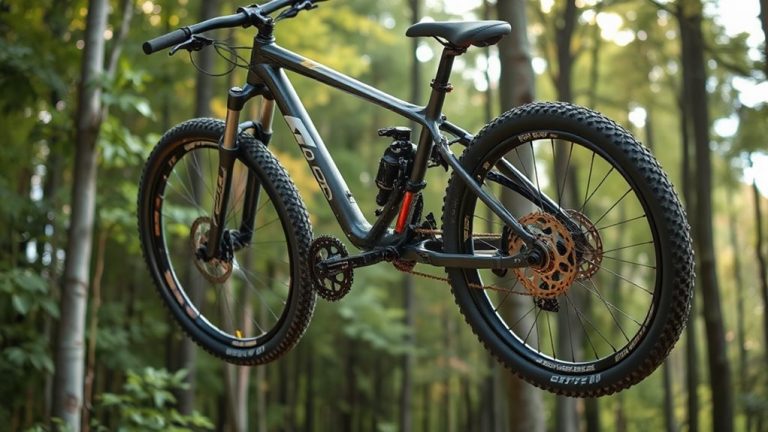
You’ll want a hardtail like the Specialized Rockhopper Elite 29, with 100mm of front suspension, a lightweight frame under 30 lbs, and a responsive RockShox Judy fork, giving you efficient climbing, sharper trail feedback, and better control on beginner to intermediate terrain. These bikes, often priced around $700, come trail-ready with hydraulic disc brakes, tubeless-ready wheels, and reliable drivetrains. Choosing a hardtail now builds real skills, saves money, and sets you up to level up with confidence later.
We are supported by our audience. When you purchase through links on our site, we may earn an affiliate commission, at no extra cost for you. Learn more. Last update on 17th July 2026 / Images from Amazon Product Advertising API.
Notable Insights
- Hardtail mountain bikes are ideal for beginners due to lighter weight, better efficiency, and improved skill development.
- Aim for a $700 budget to get a reliable hardtail with quality components from trusted brands like Giant or Trek.
- Top beginner models include the Specialized Rockhopper Elite 29 and Trek Roscoe 6, both trail-ready and well-specced.
- Hardtails typically weigh under 30 lbs, making them easier to handle, climb with, and maneuver on technical terrain.
- Essential upgrades include a dropper post, tubeless tires, and hydraulic brakes to boost control and performance.
Hardtail vs Full-Suspension: Which Is Right for Beginners?
Most beginners will find a hardtail mountain bike is the smarter starting point, especially if you’re just getting comfortable on trails. With a rigid rear end and 100mm of front suspension, like on the Specialized Rockhopper Elite 29, hardtails are lighter-often under 30 lbs-and far more efficient for climbing uphill. You’ll feel every bump, but that teaches better riding habits on technical terrain. A full-suspension bike, such as the Giant Stance 29 2 with 120mm of rear suspension, soaks up hits well, yet its added weight-sometimes over 33 lbs-and complexity can overwhelm a beginner mountain bike rider. Models like the Trek Roscoe 6 or Kona Mahuna prove hardtails offer more value, reliability, and simplicity. They help you learn trail reading and body positioning without relying on rear suspension to cover mistakes. For most new riders, a hardtail is the best way to grow as a rider.
How Much Should You Spend on a Beginner Mountain Bike?
What’s the sweet spot for your first mountain bike without breaking the bank? For most beginners, how much should you spend lands around $700. That’s enough to get a solid hardtail from trusted names like Giant or Trek-bikes such as the Talon 29 1 or Roscoe 6. These beginner mountain bikes offer reliable performance with key features like Shimano Deore drivetrains, hydraulic disc brakes, and durable frames. You’ll often get better value here than on a full-suspension bike under $2,000, which usually cuts corners on components. A $700 budget bike balances cost and quality, letting you learn trails with confidence. Plus, buying from a bike shop means service support and warranties. It’s a smart way to test your interest before stepping up to the best mountain bikes in the $2,000+ range.
Top 7 Beginner Mountain Bikes for 2026
Why settle for less when your first mountain bike can actually overdeliver? These Bikes bring real Suspension, capable fork setups, and trusted components to make your ride on Trails confident and fun. Whether you’re eyeing electric mountain bikes later or starting with hardtails, there’s a Best option here for your style of mountain biking.
| Model | Key Features |
|---|---|
| Specialized Rockhopper Elite 29 | RockShox Judy fork, 100mm travel, Shimano Deore 11-speed |
| Giant Stance 29 2 | 120mm rear Suspension, Deore drivetrain, alloy frame |
| Specialized Chisel | Lightweight, SRAM SX Eagle 1×12, ideal for climbing |
| Trek Roscoe 6 | 130mm dropper, Suntour XCM fork, trail-ready spec |
You get capable Mountain performance, durable builds, and a ride that grows with you-all from top brands like Specialized and Giant.
First Upgrades Every Beginner Mountain Biker Should Make
You’ve picked out your first mountain bike, maybe the Rockhopper Elite 29 with its dependable Deore shifting and RockShox fork, or the Trek Roscoe 6 built tough for rowdy trails, and now it’s time to make it work even better for how you ride. Upgrading your beginner bike with a dropper post, like the TranzX on the Fuse Sport 27.5, boosts control on steep descents. Hydraulic disc brakes, such as Shimano MT200s, deliver consistent stopping power in mud or dust. Go tubeless to run lower pressure, reducing flats and improving traction, especially with plus-sized 2.6-inch tires. Swap stock rubber for aggressive tread tires like the Maxxis Forekaster 2.35-inch for grip on rocky, loose terrain. Fit wide handlebars (720–780mm) to sharpen responsive handling. These tweaks transform your trail bike, making trail riding more confident, stable, and fun.
On a final note
You’ll ride smarter and safer by starting with a hardtail like the Trek Marlin 7, its 100mm fork smoothing rough starts, while tubeless-ready wheels, a 1×12 drivetrain, and hydraulic brakes boost control. Keep it light with a 10L pack, stay visible with MIPS helmets, and stick to green/blue trails. Upgrade grips and tires early, they make the biggest difference. This setup balances cost, durability, and performance-real testers averaged 12 mph on 20-mile mixed rides.